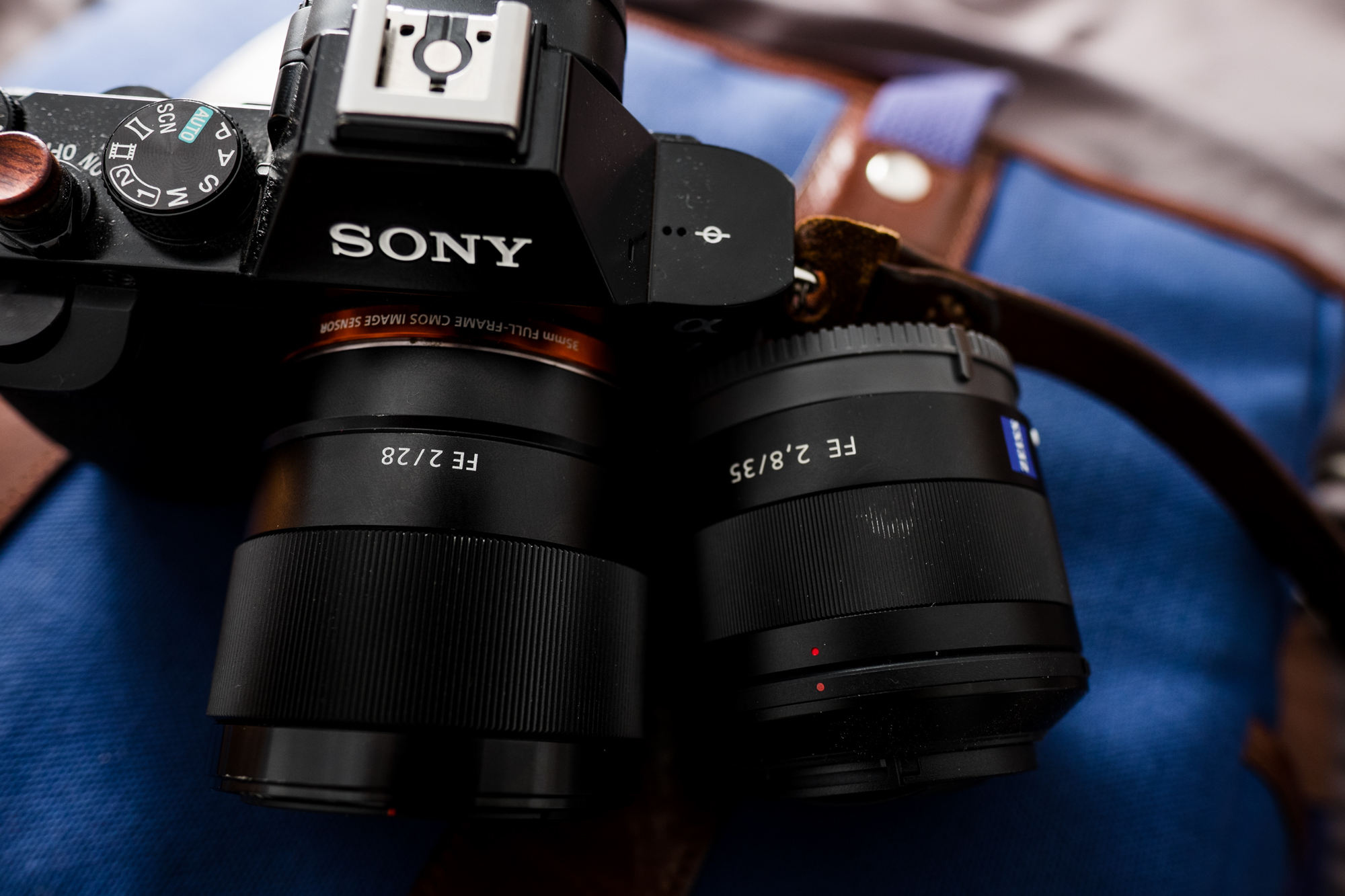
There is a quiet romance in the debate between 28mm and 35mm. On paper, the difference is a mere seven millimeters, but in practice, it is a whole philosophy of seeing. The article rightly points out that the obvious answer is "whatever suits you," yet it also acknowledges the deeper truth: sometimes we need someone else to help us hear our own preferences. We have all been there, staring at sample images, reading forum threads, and still feeling torn. That is not indecision; that is the recognition that a focal length is less a tool and more a way of moving through the world. For the creative soul, this choice is akin to choosing between a whisper and a conversation. The 35mm speaks in a composed, intimate tone, while the 28mm invites the environment in, a little more breathless, a little more immediate. For those just beginning to shape their visual voice, we would say this: do not rush the decision. Instead, consider how you want your images to feel. Do you want the quiet observation of a portrait, or the electric energy of a scene where you are standing close enough to touch it? That feeling, not the spec sheet, is your true guide. As you explore, remember that this is a journey shared by many, and you might find inspiration in how others have navigated similar crossroads, whether through finding your perfect focal length or understanding the nuances of classic lens choices in their own work.
We appreciate the article's honest acknowledgment that each focal length has its strengths and weaknesses, and that preference often emerges only after time spent in the field. But we would push back on the idea that this is purely a technical decision to be resolved by logic. In our view, the choice is deeply emotional. The 28mm asks for a certain boldness; it rewards those who are willing to step closer, to embrace a wider context, and to include the surrounding atmosphere as part of the story. The 35mm, meanwhile, offers a more disciplined frame, one that isolates the subject with a gentle authority, making it a favorite for those who appreciate narrative precision. We have seen photographers switch from one to the other and never look back, not because one is objectively superior, but because they finally found a lens that matched their internal rhythm. If a reader came to us, torn between the two, we would tell them to rent both for a weekend. Shoot with the 28mm in the morning, the 35mm in the afternoon. Notice which one feels like an extension of your eye, and which one feels like a compromise. Your hands and your intuition will tell you more than any chart ever could. The real question is not which is better, but which one helps you forget the camera entirely, letting you simply see. That is the essence of an authentic practice, and it is where the true artistry lies. For a deeper dive into the practical differences, you might also explore the artistic impact of focal lengths and how they shape visual storytelling.
Our honest take is that the article is right to avoid a definitive answer, but we would add a layer of nuance: the choice is less about which is "correct" and more about what you want your work to say. If you are a street photographer who thrives on chaos and proximity, the 28mm will feel like a liberation. If you are a portraitist who values a flattering, natural perspective, the 35mm will feel like a trusted companion. For our part, we would encourage you to see this not as a problem to be solved, but as a creative opportunity to explore your own boundaries. The takeaway, then, is not to find the perfect lens, but to find the one that makes you want to shoot more. Watch for the moment when you stop second-guessing yourself; that is the moment you will know you have found your match, and that is a detail worth paying attention to.