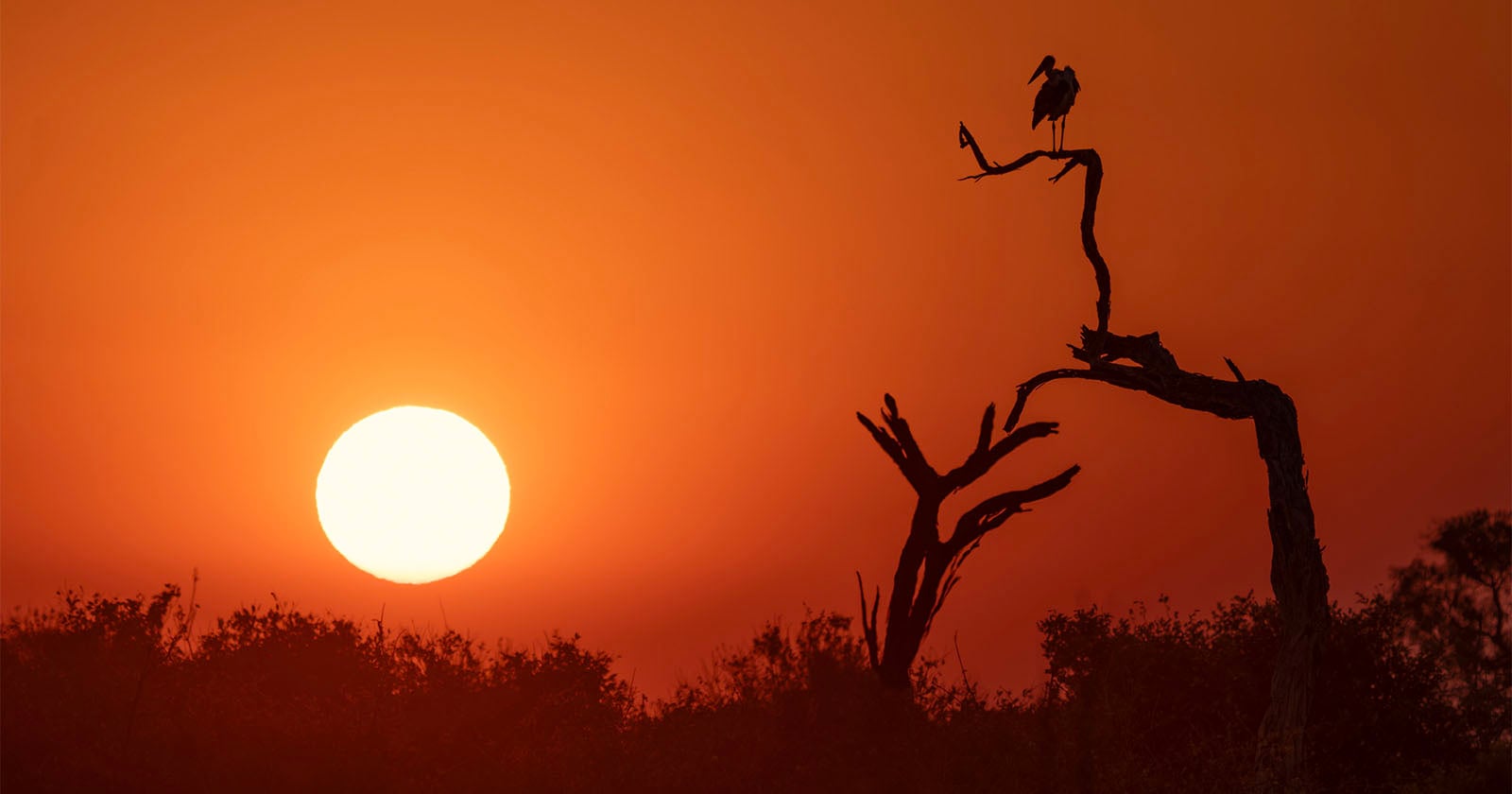
Thirty-five years behind a lens is a long time to watch a craft change, and the evolution of wildlife photography from a simple act of capture to a form of artistic vision is a story worth sitting with. Our take is simple: the most compelling wildlife images today are not the ones that merely document a species, but the ones that reveal a photographer's soul through the natural world. This shift from "getting the shot" to "making the image" is not just a technical progression; it is a philosophical one that demands we reconsider what we value in the genre, and it mirrors a broader cultural craving for authenticity that we see everywhere from the resurgence of film to the ritual of the printed photograph.
For our readers, this means the bar has been raised in a way that is both liberating and demanding. It is no longer enough to have the sharpest telephoto lens or the fastest autofocus; the new currency is perspective. As Rediscover Photography's Soul Through the Ritual of a Printed Image suggests, we are all quietly exhausted by the sheer volume of pixels that flood our screens. A photograph of a bird on a branch is a dime a dozen, but a photograph of a bird on a branch that captures the loneliness of a winter dusk, the texture of the bark, and the weight of the light in the sky is something else entirely. That is where the artistry lives, and it is a skill that cannot be automated. Similarly, the impulse driving Gen Z trades flawless digital illusions for the authentic grit of film is the same impulse pushing wildlife photographers away from clinical perfection and toward expressive interpretation. They are both reactions against the sterile, the generic, and the overly processed.
The practical consequence for anyone picking up a camera is a shift in intention. You are no longer hunting for a rare species to check off a list; you are hunting for a moment that feels true to your own vision. This is a more immersive and demanding practice, but it is also a more rewarding one. It asks you to bring your whole self to the field, not just your gear. The photographer in this story has moved through phases, and that journey is instructive. It tells us that mastery is not a destination but a continuous refinement of taste. The question is no longer "What did you see?" but "How did you see it?" This is the same creative energy that Through Sittichai's lens, Bangkok's everyday chaos becomes curated art captures in the urban jungle, where the mundane becomes striking through sheer compositional intent. The discipline is identical, whether the subject is a heron in a marsh or a vendor on a crowded street.
The specific detail to watch in the coming years is how this artistic turn reshapes the competitive circuit. If judges and audiences begin rewarding personal vision over technical perfection, the entire ecosystem of workshops, gear reviews, and even conservation messaging will have to adapt. The image becomes a piece of advocacy not because it shows a polar bear on melting ice, but because it makes you feel the vast, quiet tragedy of its existence. That is a powerful tool, and it comes with a responsibility to remain authentic. The concrete takeaway here is to stop chasing the perfect spec sheet and start chasing the perfect feeling. Go out, find a subject, and ask yourself not what the best settings are, but what you want to say. The answer to that question is the only thing that will make your work matter thirty-five years from now.