5 Film And Hybrid Cameras Flying Off Shelves Across Canada Right Now
Our take
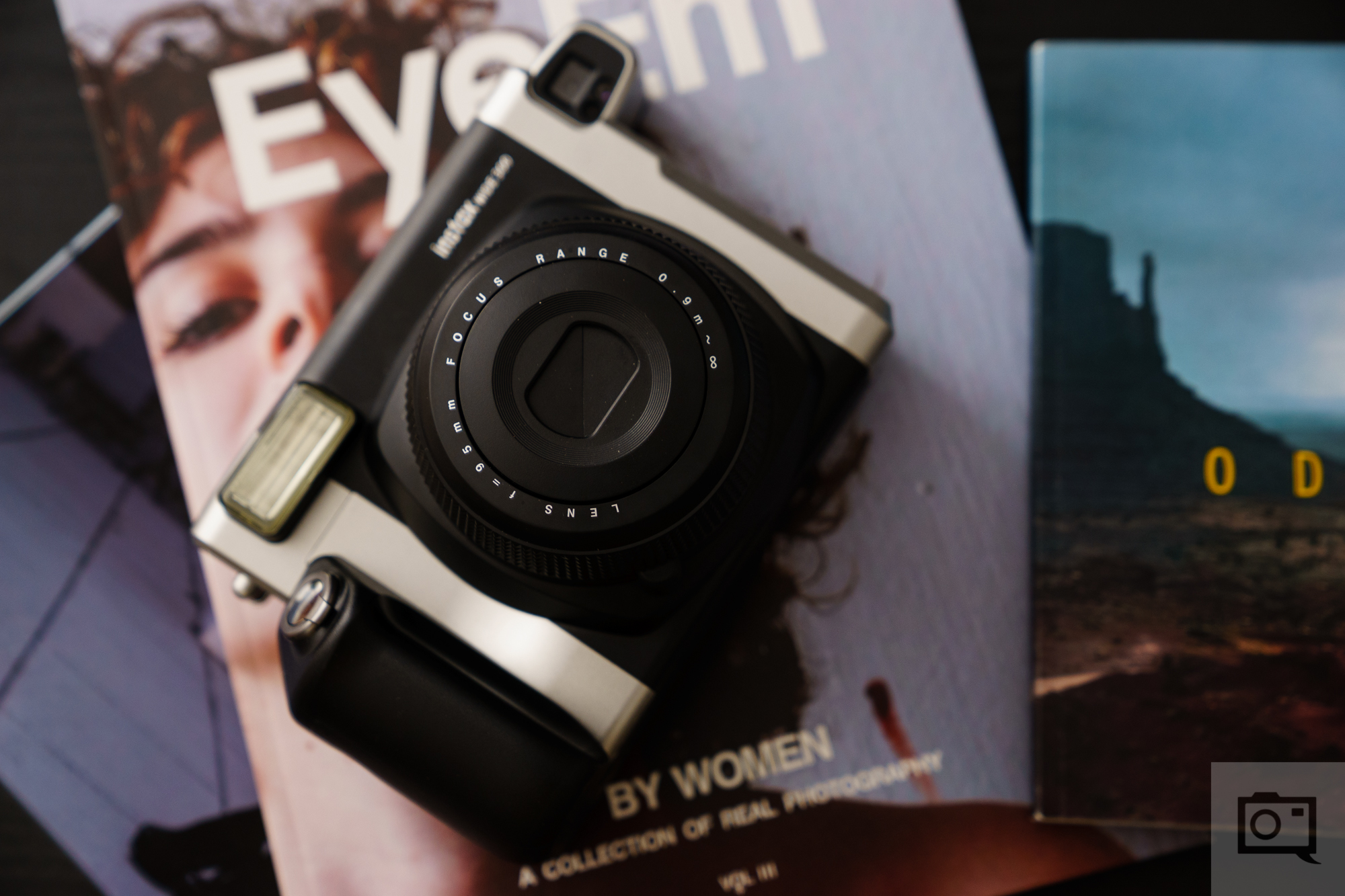
The resurgence of film and analog cameras isn't merely a nostalgic trend; it’s a fascinating commentary on our relationship with technology and the pursuit of authentic creative expression. The article highlighting cameras flying off shelves in Canada reflects a global shift, a reaction against the relentless pursuit of pixel-perfect clarity and the often-prohibitive costs associated with high-end digital equipment. We’ve seen this movement gain traction elsewhere, as evidenced by articles like 5 Film Cameras Everyone Is Actually Buying in Singapore, demonstrating the universality of this desire for a more tactile and deliberate photographic process. It speaks to a growing fatigue with the instant gratification and digital manipulation that have become synonymous with modern photography, a yearning for the imperfections and serendipitous results that film inherently offers. This isn’t about rejecting digital photography entirely; rather, it’s about recognizing the unique value proposition of analog – a slower pace, a more intentional approach, and a distinct aesthetic that digital often struggles to replicate.
The appeal, in part, stems from a desire to reclaim control over the creative process. With digital, post-processing has become almost an expectation, often blurring the line between capturing a moment and constructing an image. Film, conversely, encourages a more thoughtful consideration of composition, lighting, and exposure *before* the shutter is pressed. This aligns with a broader cultural movement towards valuing craftsmanship and authenticity, a desire to connect with the physical world in a more meaningful way. Furthermore, the financial aspect mentioned in the article is significant. While professional-grade digital cameras can represent a substantial investment, the relatively lower cost of entry for film cameras, coupled with the ongoing expense of film and development, can be a more manageable proposition for many aspiring photographers. We recently explored how photographers can streamline their digital workflows with Do You Know About Our Capture One Discount?, and it’s interesting to consider how these two approaches – digital efficiency and analog artistry – can coexist and even complement one another.
The broader significance of this development extends beyond the individual photographer. It’s a challenge to the established norms of the photography industry, forcing manufacturers and retailers to adapt to evolving consumer preferences. We’ve even seen examples of regulatory hurdles impacting photographers’ freedom of expression, as highlighted in UK Publishes ‘Misleading’ Guidance Suggesting Photographers Could Be Arrested for Taking Pictures in Public, demonstrating the complexities surrounding image creation in the public sphere. The renewed interest in film photography also has implications for the film manufacturing industry, which has experienced a resurgence in recent years after facing near-extinction. The demand for film stock, developing chemicals, and related equipment is steadily increasing, creating new opportunities for businesses and fostering a vibrant community of analog enthusiasts.
Ultimately, the rise of film and analog photography underscores the enduring power of tangible creation and the human desire for a more deliberate and authentic connection to the art form. It’s a reminder that technology is a tool, and that the most compelling images are often those that are born from a blend of skill, intention, and a touch of serendipity. As this trend continues to gain momentum, one must wonder: will this renewed appreciation for analog aesthetics influence the design and functionality of future digital cameras, blurring the lines between these two seemingly disparate worlds and ushering in a new era of photographic innovation?
Read on the original site
Open the publisher's page for the full experience