5 Things to Know When Using Kodak Tri-X for Street Photography
Our take
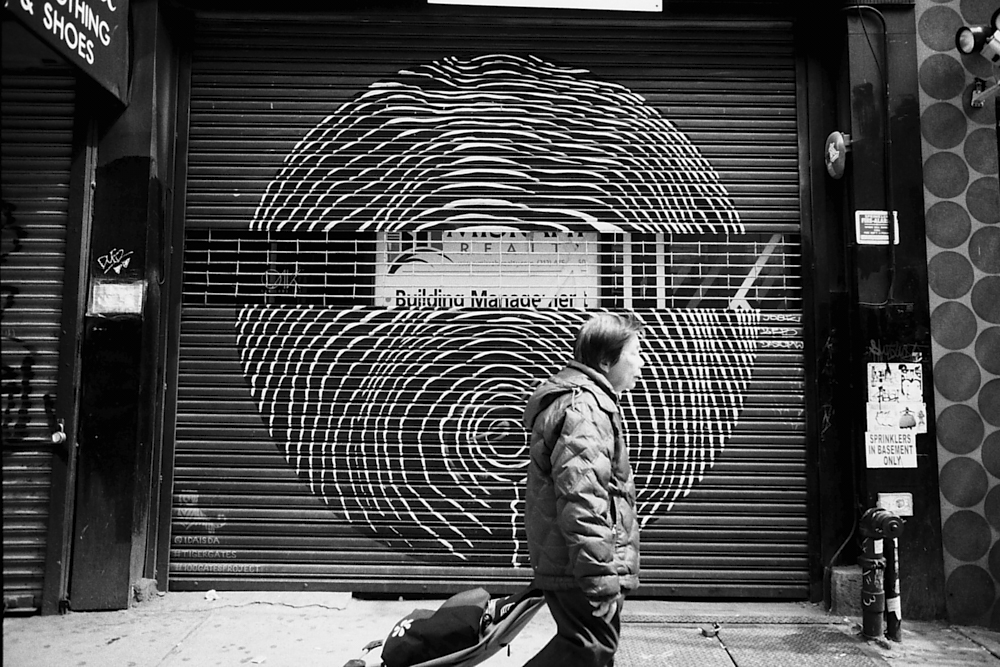
The enduring appeal of Kodak Tri-X 400 in street photography speaks to a deeper current within visual storytelling – the deliberate embrace of imperfection and the pursuit of a distinct aesthetic. It's a rejection, in some ways, of the clinical precision offered by digital, opting instead for the tangible character and inherent limitations of film. This isn't merely about nostalgia; it's a conscious artistic choice, a desire to imbue images with a certain texture and grain that feels undeniably authentic. As demonstrated in our recent piece Cinematic Portrait Photography: How I Shot on a Dirt Road at Golden Hour, photographers are increasingly exploring ways to leverage limitations – light, environment, and even the medium itself – to craft compelling narratives. The article rightly points out the difference between simulating the look of Tri-X in post-production and experiencing the genuine process of shooting with the film; the latter is a tactile, almost meditative practice that informs the final image in a way presets simply cannot replicate. It’s an engagement with the medium that elevates the image beyond a mere representation of a scene.
The resurgence of film photography, particularly among street photographers, is fascinating to observe. While digital technology offers unparalleled convenience and flexibility, there’s a growing appreciation for the deliberate constraints imposed by film. This isn't about dismissing digital; rather, it’s about recognizing that different tools offer different creative pathways. Some photographers, like those documented in What Photographing Every Texas State Park Taught a Landscape Photographer, find profound artistic growth through exhaustive exploration of a single subject or technique. The commitment to Tri-X, for some, represents a similar dedication – a willingness to master the nuances of a specific film stock and harness its unique qualities. The grain, the tonal range, the way it handles highlights and shadows – these aren't flaws to be corrected, but rather integral elements of the aesthetic. The article’s encouragement to "shoot lots of it" resonates with this philosophy; it’s through repetition and experimentation that photographers truly unlock the potential of any medium.
Beyond the technical aspects, the choice of Tri-X speaks to a broader cultural shift towards valuing authenticity and craftsmanship. In an age saturated with digitally manipulated images, the raw, unfiltered quality of film holds a certain appeal. It’s a visual antidote to the hyper-realism of modern photography, a return to a more analog sensibility. This resonates with the current movement in beauty photography as well, as evidenced by the intentional, unedited nature of the images in our Beauty Shoot Sneak Peek. The desire for transparency and genuine expression is increasingly influencing creative choices across various disciplines. Tri-X, with its history and its distinct character, embodies this desire for something real, something tangible, in a world of fleeting digital impressions. It’s a statement about artistic intent – a conscious decision to prioritize aesthetic and experience over mere technical perfection.
Ultimately, the continued popularity of Kodak Tri-X 400 isn't just about a specific look; it’s about a mindset. It's about embracing the imperfections, valuing the process, and seeking a unique voice within the visual landscape. As technology continues to evolve, will we see a further blurring of the lines between digital and analog? Or will the deliberate constraints of film photography continue to offer a valuable counterpoint, inspiring photographers to push the boundaries of their creativity and redefine what it means to capture a moment in time?
Read on the original site
Open the publisher's page for the full experience