54 Lens Caps Have Been Removed From Yellowstone’s Hydrothermal Areas So Far This Year
Our take
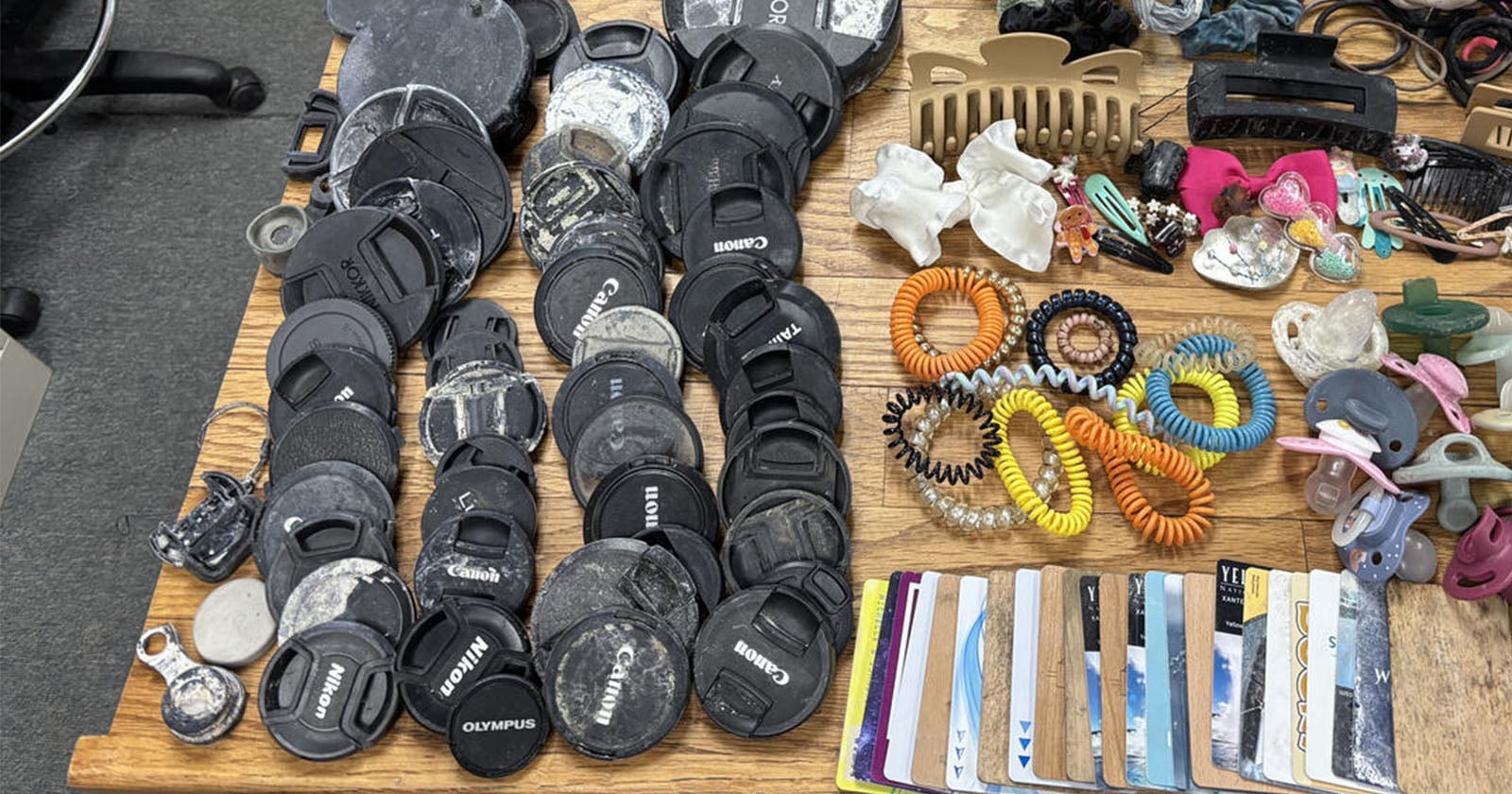
The seemingly trivial detail of 54 lens caps recovered from Yellowstone’s hydrothermal areas this year speaks volumes about our relationship with both nature and technology. While the image of a discarded lens cap might elicit a chuckle, it underscores a larger issue of careless interaction with fragile ecosystems, particularly those as iconic and revered as Yellowstone. It’s a stark reminder that even seemingly small actions can have significant consequences, especially in environments as delicately balanced as geyser basins like Old Faithful and Morning Glory Pool. This situation resonates with the broader conversation around mindful photography, a topic we’ve explored previously, such as in our review of [Affinity (Version 3.3) Review: Better for Photographers, Still not Replacing Capture One], highlighting the tools photographers use and, by extension, their responsibility in utilizing them. The pursuit of the perfect shot shouldn't come at the expense of preserving the very landscapes that inspire us. Furthermore, the proliferation of portable printing devices, like the [The Fujifilm Instax Link Wide 2 Portable Printer Puts Your Smartphone Photos Onto Instant Film], exemplifies the increased accessibility of photography, which, while democratizing the art form, also amplifies the potential for environmental impact if not approached with respect.
The sheer number of lens caps—54 in just one year—is alarming. These aren’t biodegradable items; they’re small pieces of plastic that can persist in the environment for decades, potentially impacting the delicate microbial life within the hydrothermal pools. Yellowstone’s geysers and hot springs are unique habitats, teeming with extremophiles – organisms that thrive in extreme conditions. These ecosystems are incredibly sensitive to disruption, and even seemingly insignificant pollutants can throw them off balance. The Park Service’s efforts to collect this litter, while commendable, represent a reactive measure. A more proactive approach is needed, one that emphasizes education and encourages visitors to be more mindful of their impact. This isn't simply about picking up litter; it's about fostering a deeper appreciation for the natural world and understanding the interconnectedness of all living things. The work of photographers like Neal Slavin, whose evocative images of [Neal Slavin: Vintage Photos of a Lost American Culture] capture the essence of a bygone era, serve as a poignant reminder of the importance of preserving these landscapes for future generations. His work, though focused on a different historical context, speaks to the enduring value of documenting and protecting our natural heritage.
Beyond the immediate environmental concerns, this situation highlights a broader cultural disconnect. We live in an age of instant gratification and constant documentation, often prioritizing capturing the moment over appreciating it fully. The impulse to photograph everything, to share every experience online, can lead to a detachment from the present and a disregard for the environment. It’s a phenomenon fueled by social media and the pursuit of likes and validation. While photography can be a powerful tool for conservation and education, it can also contribute to the problem if not practiced responsibly. The Park Service’s ongoing efforts to clean up these areas demonstrate a dedication to preserving Yellowstone's integrity, but the underlying issue requires a shift in mindset among visitors. A renewed emphasis on Leave No Trace principles, coupled with increased awareness campaigns, could help mitigate this problem and ensure that Yellowstone’s hydrothermal areas remain pristine for years to come.
Looking ahead, the increasing accessibility of photographic equipment and the growing popularity of nature photography will likely continue to pose challenges for parks and protected areas worldwide. The question becomes: how can we cultivate a culture of responsible photography that celebrates the beauty of nature without compromising its integrity? Will technology, ironically, offer solutions—perhaps through AI-powered litter detection or biodegradable lens caps—or will it require a fundamental shift in human behavior and a deeper appreciation for the delicate balance of our planet’s ecosystems? The future of these invaluable landscapes may depend on it.
Yellowstone National Park staff perform many essential duties across the park's 2.2 million acres, including collecting litter people lose in its sensitive hydrothermal areas. Places like Old Faithful, the Midway Geyser Basin, and Morning Glory Pool are home to a lot of trash, including, as it turns out, a bunch of lens caps.
Read on the original site
Open the publisher's page for the full experience