6 Best Image Upscalers Tested: Photo Upscaling Without the Plastic Look
Our take
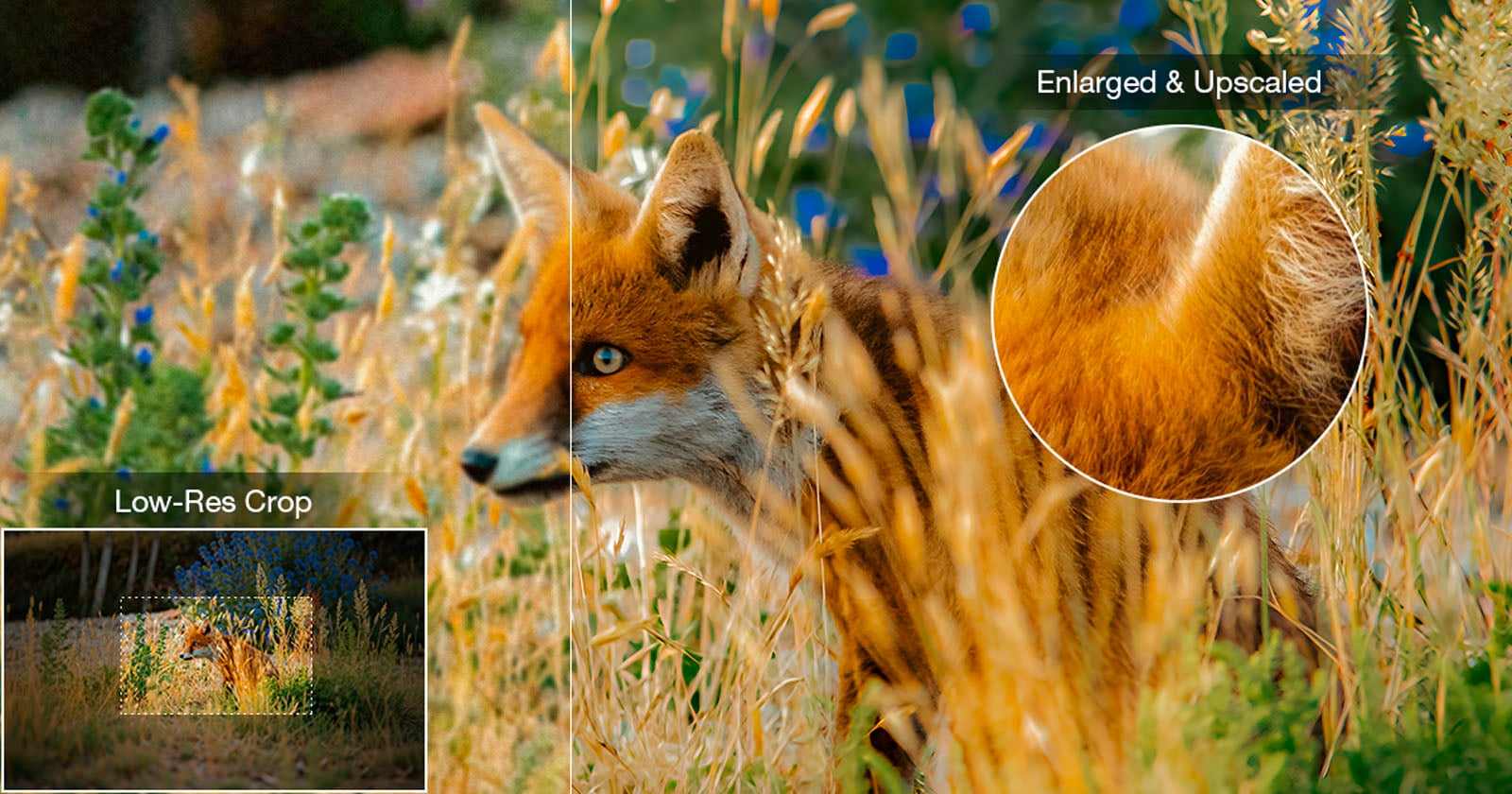
The rapid evolution of AI image upscaling is a fascinating development, and the recent PetaPixel article, "6 Best Image Upscalers Tested: Photo Upscaling Without the Plastic Look," succinctly captures the current state of play. For years, the promise of effortlessly enlarging images without sacrificing quality felt like a distant dream. Now, the technical hurdle of achieving 4K or even 8K resolution from lower-resolution sources is largely overcome. The real challenge, as the article highlights, lies in preserving the authenticity and natural texture of the original photograph; avoiding that unsettling "plastic" or overly-processed look. This shift signifies a maturation of the technology, moving beyond simple enlargement to a more nuanced process of intelligent reconstruction and detail enhancement. It's a testament to the progress in generative AI, demonstrating its ability to not just create, but also intelligently restore and refine existing imagery. The advancements mirror the broader trends we've been tracking in the creative technology space, like the recent launch of Blackmagic Design’s UltraStudio Express 3G capture and playback devices [Blackmagic Design Launches $175 UltraStudio Express 3G Capture and Playback Devices], and the burgeoning support for visual artists, as exemplified by the Flickr and Black Women Photographers grant program [Flickr and Black Women Photographers Launch $10,000 Grant].
The implications for creatives are significant. Photographers, videographers, and even everyday users with archives of older, lower-resolution images now have access to tools that can breathe new life into those memories. Imagine restoring cherished family photos from decades past, or dramatically enhancing older stock footage for a modern project. Beyond personal use, this technology has profound implications for archival preservation, historical restoration, and even the film and television industries. The ability to upsample footage without introducing noticeable artifacts allows for greater flexibility in post-production and opens up opportunities for repurposing older content for new platforms and formats. Furthermore, the article’s focus on avoiding the "plastic look" underscores the importance of nuanced algorithms and careful calibration. It’s no longer enough to simply make an image bigger; the upscaling process must intelligently interpret and recreate detail in a way that feels natural and believable. It recalls the thoughtful gear reviews we’ve published, such as our exploration of equipment used on challenging expeditions through Norway’s fjords [I Camped and Hiked My Way Through Norway's Fjords. These 15 Pieces of Gear Got Me Through It.], where even the best tools require skill and understanding to achieve optimal results; similarly, these upscalers demand a discerning eye to ensure the final product lives up to its potential.
The evolution of image upscaling also reflects a broader trend in AI toward greater realism and aesthetic awareness. Early AI-generated images often suffered from a certain artificiality, but recent advancements have dramatically improved their ability to mimic the nuances of human creativity. This is due, in part, to the use of larger datasets and more sophisticated neural network architectures that are better able to capture the subtle details that distinguish a photograph from a synthetic creation. The ongoing refinement of these algorithms, as demonstrated by the competing upscalers tested in the PetaPixel article, is a continuous process of learning and adaptation. The ability to analyze and reproduce the textures of fur, the intricacies of foliage, and the subtle gradations of light and shadow marks a significant step forward in the quest for photorealistic AI. It's a reminder that AI isn't simply replacing human creativity; it's augmenting it, providing new tools and possibilities for artistic expression and visual storytelling.
Looking ahead, the continued refinement of AI image upscaling raises an intriguing question: at what point will the distinction between a digitally upscaled image and an original high-resolution photograph become indistinguishable? While achieving perfect fidelity remains a challenge, the rapid pace of innovation suggests that we may be closer than we think. Furthermore, the integration of these tools into broader creative workflows—from photo editing software to video editing platforms—will likely democratize access and accelerate adoption. The key will be ensuring that these powerful tools are used responsibly and ethically, preserving the integrity of visual information while unlocking new creative possibilities.
Over the last few years, image upscalers powered by AI have become remarkably good at making photos larger. The challenge is no longer whether an image can be enlarged to 4K or even 8K, it's whether the result still looks like the original photograph.
Read on the original site
Open the publisher's page for the full experience