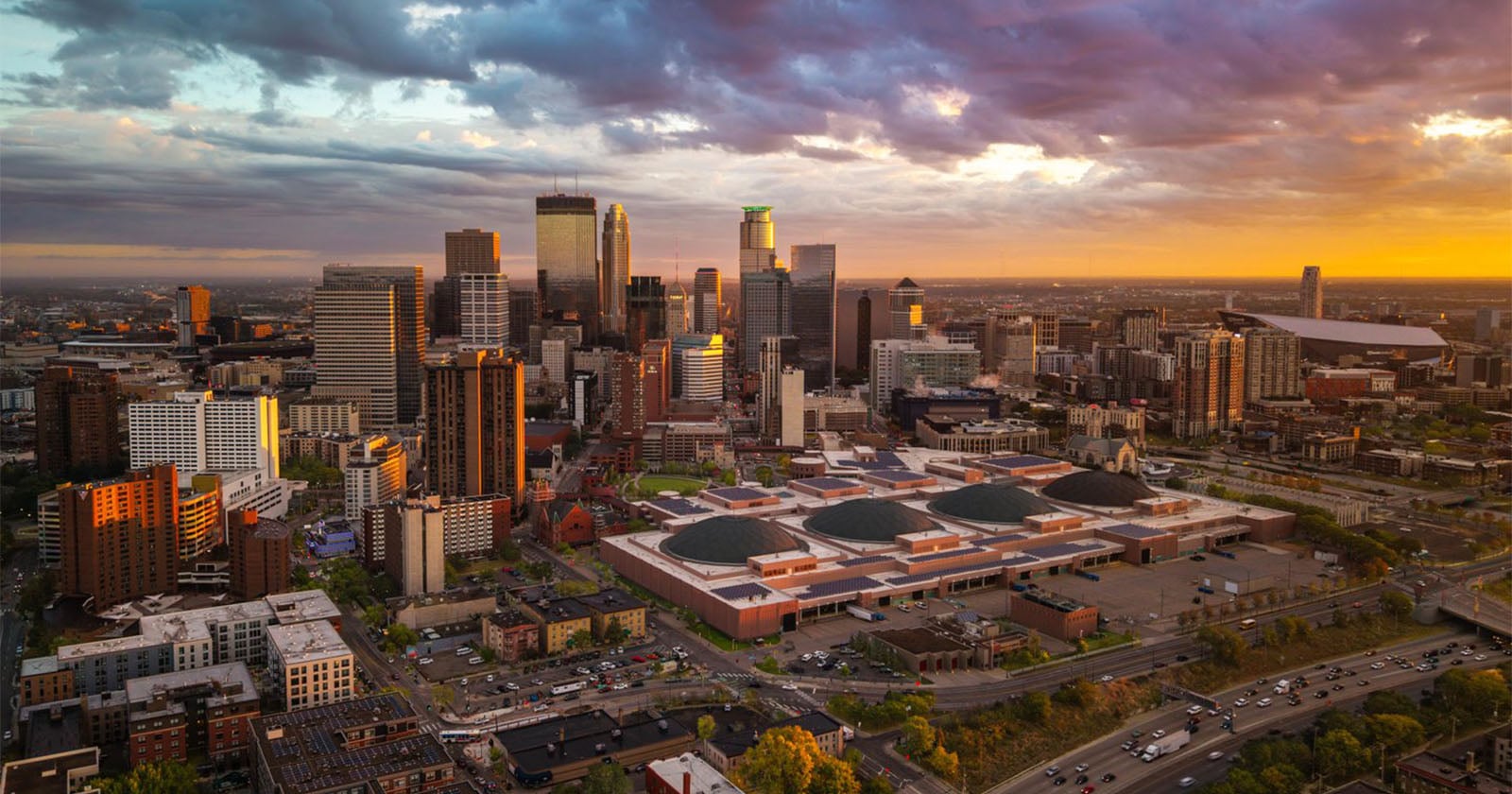
Seventy-five photographers, one city, twenty-four hours. That is the bet the American Society of Media Photographers is placing on Minneapolis-St. Paul with its MSP2 event on October 23 and 24, and we think it is one of the most refreshingly direct creative challenges we have seen in months. No theme, no brand brief, no algorithmic pressure, just a section of the city and a hard deadline to turn personal vision into a single, finished frame. It strips photography back to its most essential elements: observation, craft, and the ability to edit yourself before the clock runs out.
This kind of constraint-focused creativity stands in vivid contrast to the technical arms race we often see in gear announcements. Consider the recent arrival of a compact new zoom lens for APS-C shooters, a piece of kit designed to make capturing images easier and more flexible. There is nothing wrong with better tools, but MSP2 reminds us that the real work happens in the space between the shutter click and the export. The speed of the edit, the pressure of a deadline, the necessity of committing to a single image rather than a firehose of brackets and burst modes, these are muscles that no lens can build for you. Similarly, when we covered the AOP Emerging Talent Awards and saw Austin Bradley claim gold, the throughline was not his gear but his ability to distil a point of view into something that resonated beyond technical proficiency. MSP2 is the same principle applied as a live experiment.
What matters for our readers is the practical insight this event offers: creative velocity has value. In an industry where we can spend hours micro-adjusting a single mask or debating white balance down to a fraction of a Kelvin, imposing a hard deadline on the entire process, from capture to final output, forces decisions that often lead to stronger, more instinctive work. The photographers in Minneapolis will not have the luxury of second-guessing. They will have to trust their eye, honour their first strong instinct, and move on. That is a skill we can all cultivate, whether we are shooting a commercial campaign or curating a personal project.
The question we are left with is not whether the 75 chosen images will be good, they will be, given the calibre of participants ASMP typically attracts, but what the exercise reveals about the relationship between place and pace. Does constraining time intensify a photographer's connection to a neighbourhood, or does it force shortcuts that flatten complexity? We are watching to see whether the Twin Cities emerge as a character in those final frames or merely a backdrop. Either outcome tells us something worth knowing about how we see when we know we only have twenty-four hours to prove it.