8 Best Compact Cameras with Good Zoom Lenses
Our take
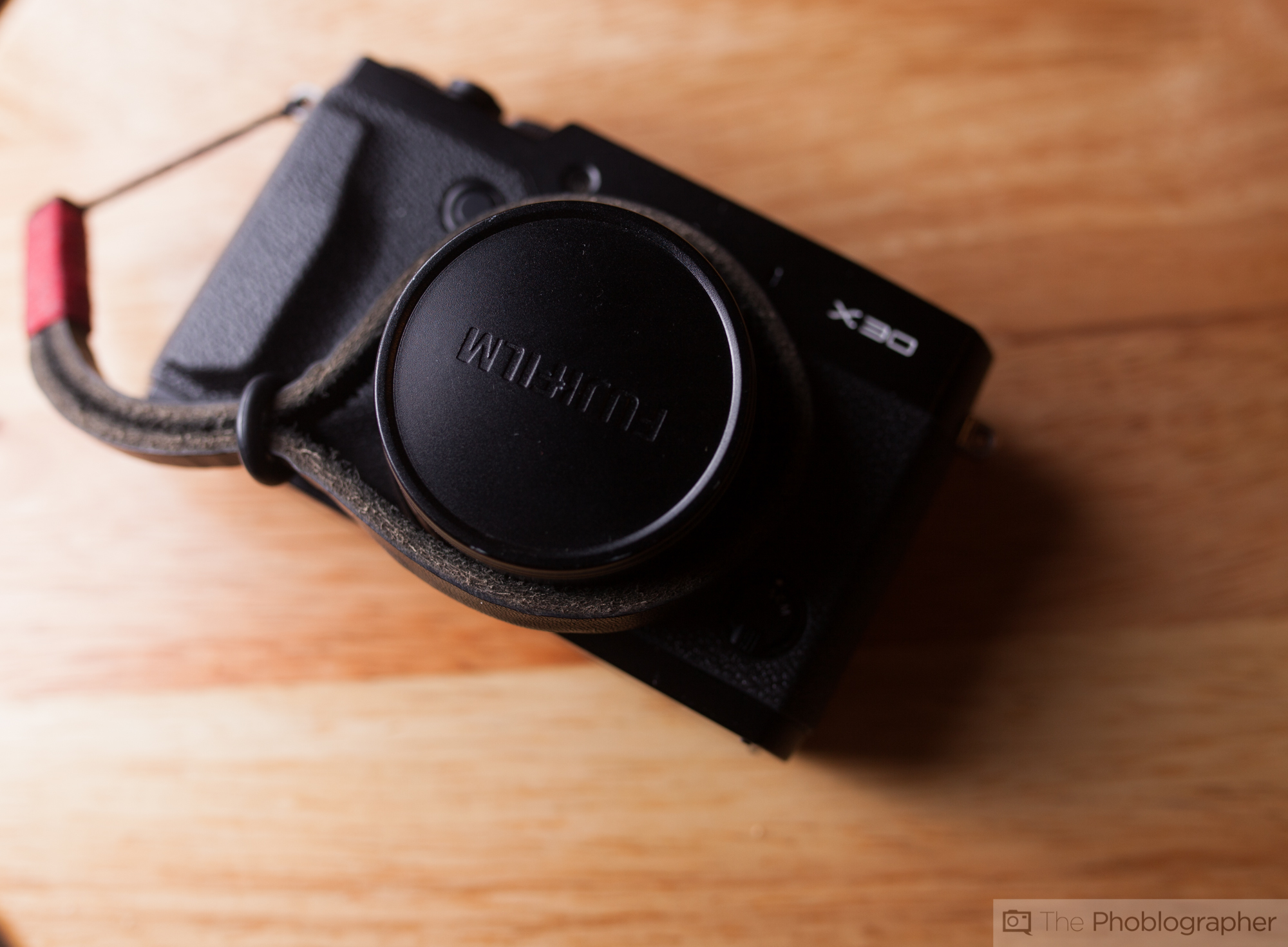
The resurgence of compact cameras, as highlighted in the recent piece on the “8 Best Compact Cameras with Good Zoom Lenses,” signals a fascinating shift in the photographic landscape. For years, the dominance of smartphones and increasingly sophisticated mirrorless systems seemed to spell the end for dedicated point-and-shoot devices. However, a renewed appreciation for the simplicity, portability, and often, superior optical quality of compact cameras is emerging, particularly among a younger generation seeking a more deliberate and less ubiquitous photographic experience. This isn't necessarily about replacing smartphones entirely, but rather augmenting them with a tool better suited for specific scenarios—travel, street photography, or simply capturing moments with a more refined aesthetic. The return also reflects a broader trend of valuing tangible tools and experiences over purely digital conveniences, a sentiment echoed in the rising popularity of film photography and analog workflows. It's a welcome counterpoint to the constant connectivity and algorithmic curation that defines so much of our modern lives. Related to this trend is the increasing interest in adaptable equipment, as demonstrated by the [DZOFilm Octopus II Makes it Easy to Use PL Lenses on Mirrorless Cameras], illustrating a desire for flexibility and creative control even in smaller form factors.
The appeal of a compact camera with a good zoom lens lies in its ability to bridge the gap between convenience and quality. While smartphone cameras continue to improve, their digital zoom often results in degraded image quality. A dedicated compact, equipped with a high-quality optical zoom, offers a significantly better experience for capturing distant subjects while maintaining detail and clarity. This is especially valuable for travel photography, where the ability to quickly and discreetly capture scenes without lugging around bulky equipment is a major advantage. Furthermore, the rise of affordable, high-quality lenses – such as those offered by 7Artisans, exemplified in their [7Artisans Launches Entry-Level Cine Lens Series Starting at Just $279] - demonstrates that exceptional optical performance doesn’t always require a significant investment. This democratization of quality further fuels the compact camera revival, expanding its appeal to a wider audience. Of course, protecting this investment is key, so preventative measures like those discussed in [How to Protect Your Camera from Accidents] are more important than ever.
Beyond the technical advantages, the return of compact cameras speaks to a desire for a more mindful and intentional approach to photography. Smartphones encourage rapid-fire shooting and immediate sharing, often sacrificing thoughtful composition and a deeper engagement with the subject. A compact camera, with its more deliberate operation and often, limited storage capacity, encourages photographers to slow down, consider their shots more carefully, and prioritize quality over quantity. It’s about rediscovering the joy of capturing a single, well-crafted image rather than a stream of fleeting moments. This shift aligns with a broader cultural movement towards intentionality and a rejection of the constant pressure to document every aspect of our lives. The tactile nature of a dedicated camera, the satisfying click of the shutter, and the process of reviewing and curating images contribute to a more rewarding and enriching photographic experience.
Looking ahead, it will be interesting to see how manufacturers continue to innovate in the compact camera space. Will we see further improvements in image sensor technology and processing power, allowing compact cameras to rival the performance of larger mirrorless systems? Or will the focus remain on portability, ease of use, and the unique aesthetic qualities that define this category? The resurgence of compact cameras isn't merely a nostalgic trend; it represents a fundamental re-evaluation of what we value in photography—a renewed appreciation for quality, portability, and a more deliberate approach to capturing the world around us. The question now is whether this momentum will sustain itself as technology continues to evolve and consumer preferences shift.
Read on the original site
Open the publisher's page for the full experience