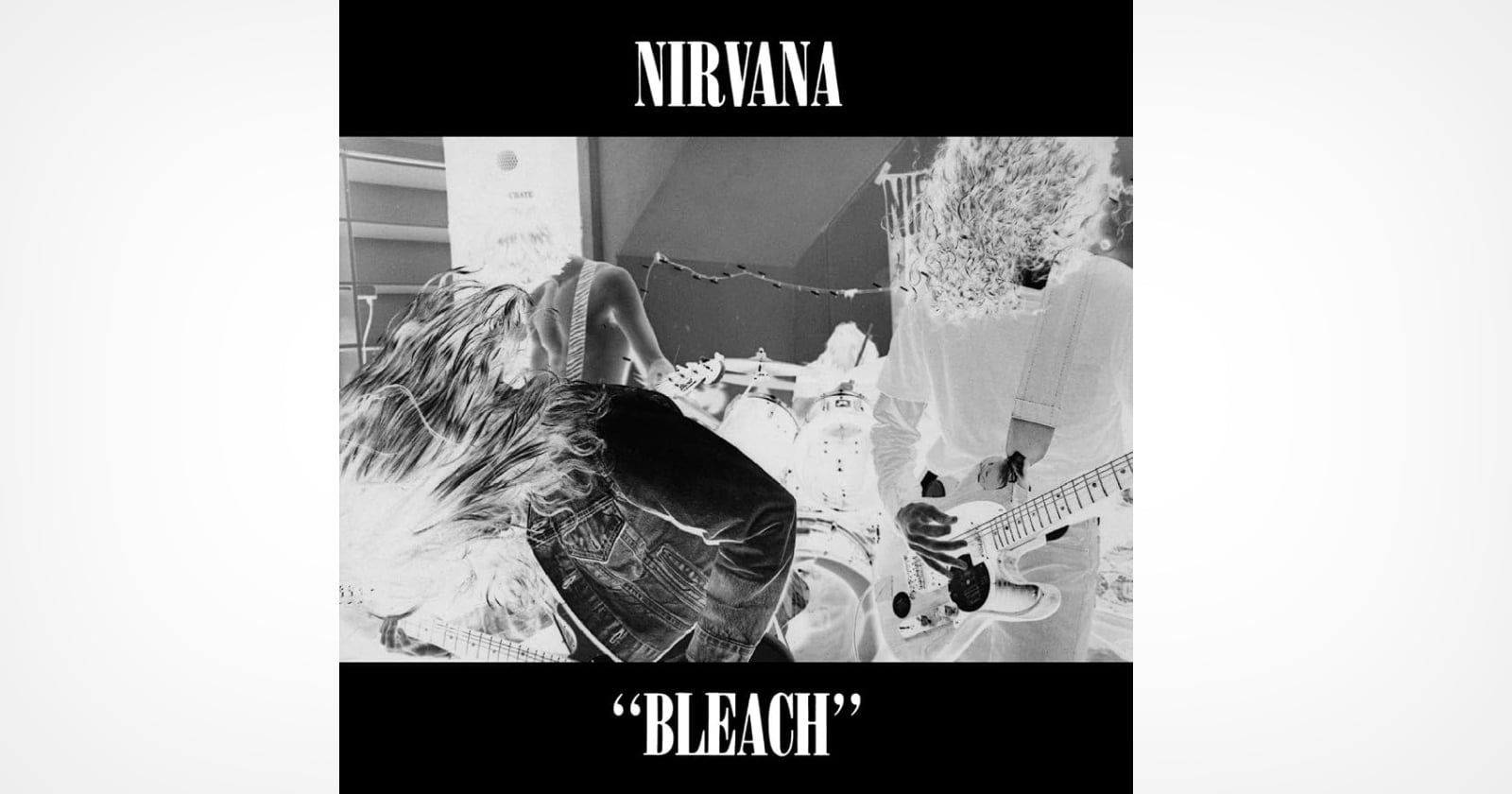
There is something quietly radical about a community pooling nearly a hundred thousand dollars for the photographer behind a three-decade-old album cover, not because she is famous, but because she made something indelible and now needs care. The artist who shot the cover of Nirvana's *Bleach* has received over $94,000 from fans as she enters hospice, and this gesture says more about how we value creative labor than most manifestos ever could. It reminds us that the people who capture the images that define eras often live far outside the spotlight, and that we have a choice in whether we let them vanish there.
This story resonates alongside others we have followed closely, like the recognition of Jimmy Chin Captures a Vision on iPhone, Landing in TIME's Top 100 Photos and the celebration of Honoring visionaries like Sir Roger Deakins, the RPS Awards celebrate artistic mastery. Both of those stories highlight institutional recognition, a spot in TIME's annual curation, a lifetime achievement award from a prestigious society. They are important markers of artistic merit. But the *Bleach* fundraiser is recognition of a different kind: grassroots, urgent, and deeply personal. It is what happens when a community decides that an artist's contribution matters more than the market's judgment, and that her final chapter deserves dignity.
For our readers, who move between worlds of fitness, fashion, art, and wellness, the takeaway here is practical. The aesthetic that shapes your mood board, your playlist, your studio walls, or your morning workout ritual was built by real people whose careers rarely mirror the glamour of the scenes they document. Supporting them does not always require a gallery opening or a foundation grant. Sometimes it looks like a GoFundMe campaign that goes viral because fans remember that a single photograph once gave voice to their teenage chaos. That is authenticity in action: not a marketing posture, but a direct response to a life's work.
What we are watching now is whether this momentum becomes a pattern or remains an exception. The $94,000 is meaningful, but it covers immediate medical expenses, not a lifetime of security. The question that lingers is how we build systems that catch creative workers before they reach hospice. The answer may not be glamorous, but it is necessary, and it starts with recognizing that the person behind the lens is as worthy of care as the image itself.