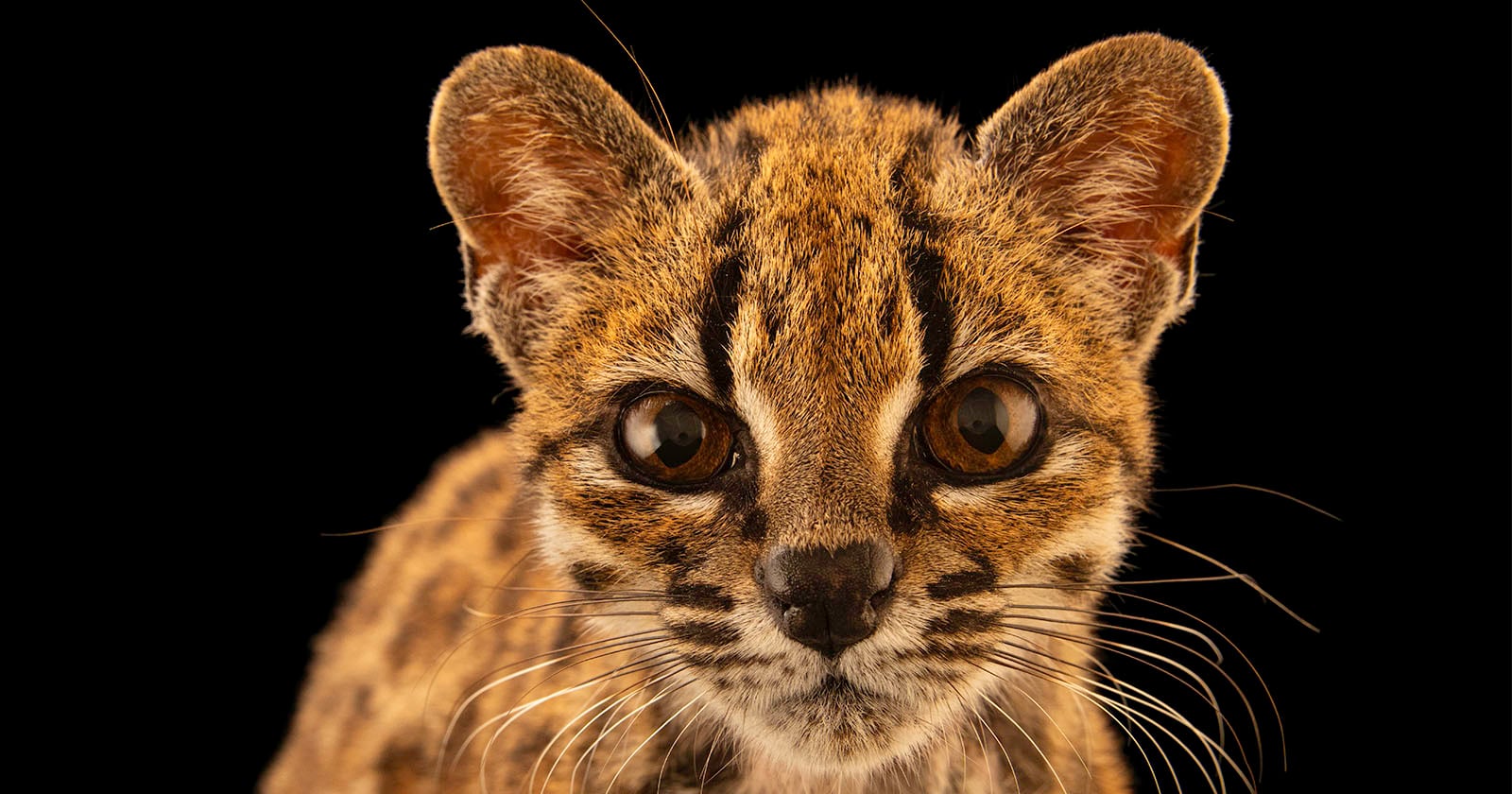
Ten years ago, a biologist's phone rang in Bolivia, and on the other end was a wildlife sanctuary with an unusual question: what exactly was this "weird cat" they had just received? That call set off a decade-long journey that has now culminated in the formal naming of *Leopardus tilcayo*, the first new living cat species described by science in over a century. It's a story that feels almost impossible in an era when we think we've mapped every corner of the natural world, and it's a reminder that wonder still has a way of finding us in the most unexpected places.
We'd tell any reader who asks us about this: it's not about the novelty of a new name, though that alone is thrilling. It's about what it took to get here. National Geographic Explorer Paola Nogales-Ascarrunz didn't stumble upon this discovery in a pristine rainforest or a remote mountain range. She followed a thread from a phone call, through years of patient observation, genetic analysis, and careful comparison against known species. That's the kind of dedication that doesn't make headlines, but it's the only reason *L. tilcayo* now has a place in the scientific record. For those of us who love the natural world, it's a quiet validation that discovery isn't finished; it's just getting more subtle.
Practically speaking, this changes something for how we think about conservation and our own connection to wildlife. A new cat species isn't just a footnote in a taxonomy journal. It's a living, breathing creature with a habitat, a prey base, and a future that now depends on human awareness. For our readers, especially those who care about fitness, beauty, and the vibrant world beyond our screens, this is a chance to see the wild as something intimately tied to our own sense of vitality. The same curiosity that drives us to perfect a yoga flow or chase a personal best is what drives scientists to ask, "What is this?" and then refuse to let go until they have an answer. That's an energy we can all take into our own lives, whether we're exploring a new city or simply paying closer attention to the world outside our window.
The one detail we can't stop thinking about is the time lag. Ten years between a phone call and a formal description. That's not inefficiency; that's rigor. And it's a reminder that real discovery rarely happens in a single moment of revelation. It happens in the unglamorous hours of comparing whisker patterns, sequencing DNA, and questioning your own assumptions. Let *L. tilcayo* be your permission slip to slow down and look closer. The next time you see something that doesn't quite fit, whether it's an animal in a sanctuary or a feeling you can't name, resist the urge to file it away as ordinary. You might just be holding the beginning of a story that takes a decade to tell. The real question is: are you willing to wait for the answer?