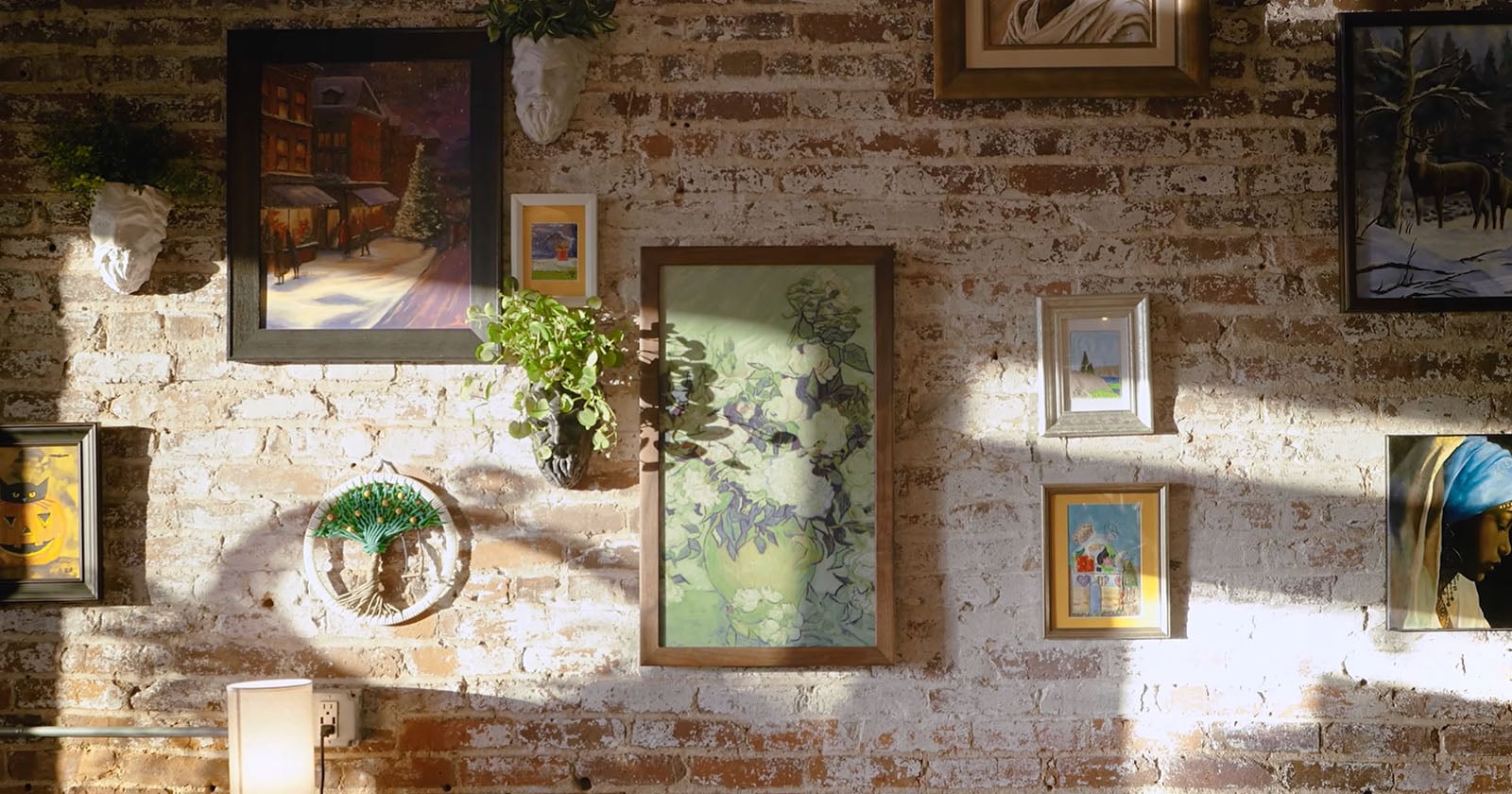
There is something quietly radical about a screen that does not scream for attention. TRMNL, the company that has built a devoted following with its ePaper displays, is now releasing its largest canvas yet: a 31.5-inch Frame designed to showcase art and photography with the same paper-like stillness that made its smaller devices compelling. This is not a television pretending to be a gallery. It is a deliberate retreat from the glowing rectangles that dominate our walls, and that distinction matters for anyone who has ever printed a photograph only to watch it fade into the background of daily life.
The timing is striking. Just as we were reminded of the dark side of photographic credibility in The Dark Art of the Fake Portfolio: Visa Fraud Wears a Curated Mask, where fabricated exhibitions and forged portfolios undermine the very idea of an authentic body of work, TRMNL offers a tool that rewards the real thing. A 31.5-inch ePaper display does not lend itself to quick slideshows or algorithmic feeds. It asks for a single image, held in place, demanding to be looked at. That is a different kind of curation, one rooted in permanence rather than performance. For photographers who have spent years building a genuine practice, this frame becomes a quiet rebuttal to the industry's fakery.
What makes the Frame genuinely useful is its refusal to compete with the glossy, backlit screens we already own. By rendering images in black, white, and subtle grays, it mimics the texture of a fine-art print without the cost or fragility of archival paper. The practical takeaway is simple: if you have ever hesitated to print a portfolio because of expense, wall space, or the fear that the work will look different under changing light, this display removes those barriers. It is a dedicated gallery that updates with a tap. For the creative professional who moves between studios, apartments, or exhibitions, that portability is not a luxury, it is a workflow shift.
We should watch how this device interacts with the broader shift toward desktop tools like VSCO's Studio Pro for Desktop Arrives to Refine the Creative Workflow. VSCO is building a post-production environment that keeps photographers inside a curated ecosystem from edit to export. TRMNL, by contrast, is building the final destination. The question is whether these two worlds will connect, or whether the photographer must still export a file, transfer it, and hope the grayscale rendering matches the monitor. That gap is the detail to watch. If TRMNL opens an API or integrates directly with editing platforms, the Frame becomes not just a beautiful object but a missing link in the creative chain. If it remains a closed system, it is still a stunning one, but it will ask photographers to meet it halfway.