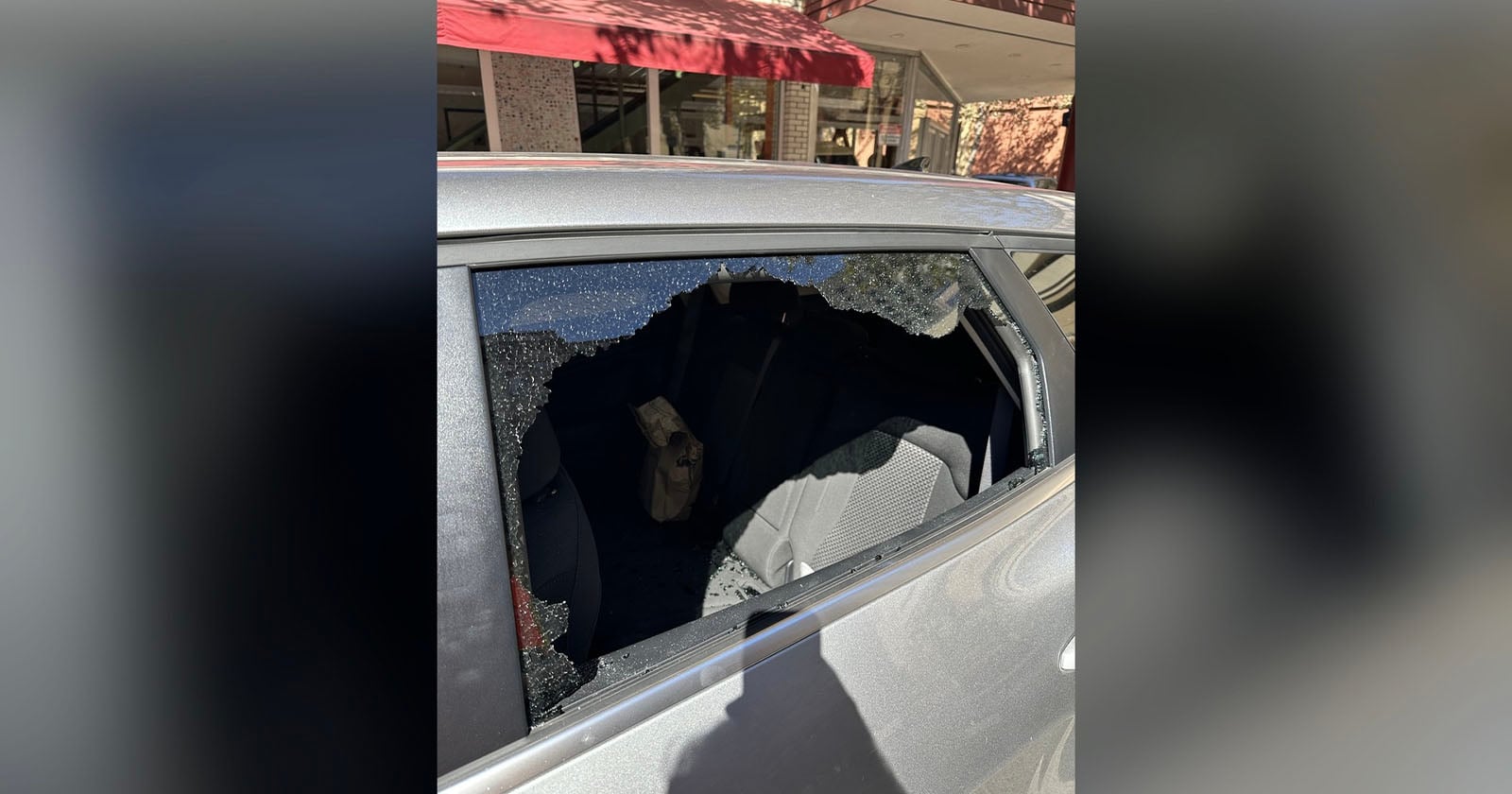
There is a particular cruelty in stealing a photographer's gear, and it has nothing to do with the cost of the camera body or the glass. The lenses can be replaced, the memory cards can be repurchased, but the images on those cards are singular, irreplaceable artifacts of a day that will never happen again. When thieves in Oakland took a photographer's equipment, they didn't just take tools of the trade; they took the wedding photos of a couple who trusted this artist to preserve their most vulnerable, joyful hours. Our take is simple: this is a theft of memory, not merchandise, and the plea for their return should resonate with anyone who understands that the true value of an image is emotional, not monetary.
For the creative community, this story is a gut check. We spend so much time discussing the technical merits of our craft, the latest gear, the perfect lighting setup, that we can forget the fundamental contract we make with our subjects. As we explored in our piece on Crystal Monique on Preserving a Signature Aesthetic Across Every Frame, consistency and vision are what win clients, but the real product is trust. When a photographer loses that trust due to a random act of violence, the wound is deeper than any insurance claim. The practical takeaway for photographers reading this is to treat your workflow like a fortress: offload cards immediately, back up to the cloud in real time, and never let a single day's work exist in only one physical place. This is not paranoia; it is the cost of doing business in a world where a single act can erase an entire narrative.
The irony is that the thieves likely have no use for the images. They are looking for resale value, a quick score, and the wedding photos are just digital baggage on a stolen card. This is where the story becomes a commentary on how we value objects versus experiences. The camera is a tool, but the photograph is a portal. Our interview with Nigel Barker on the Art of Seeing reminded us that the eye is the most important instrument, and the camera merely records what the eye perceives. The thief has taken the recorder, but the perception, the artistry, and the memory of the day still belong to the photographer. We hope the plea reaches someone with a conscience, someone who recognizes that returning a card of wedding photos is an act of grace, not a loss of profit.
The specific detail to watch here is how the community responds. Will the photographer's plea go viral, leading to a recovery, or will it fade into the noise of urban crime statistics? For the rest of us, the open question is whether we are doing enough to protect our own creative output. The concrete point is this: before your next shoot, ask yourself what you would do if your entire archive vanished in a single moment. If your answer is a shrug, you are not prepared. If your answer is a detailed recovery plan, you are ready. And if you are in Oakland, or anywhere else, and you see a suspiciously cheap camera bag for sale, remember that it might contain someone's entire world. The photographer is not asking for the gear back; they are asking for the memories. That distinction is everything.