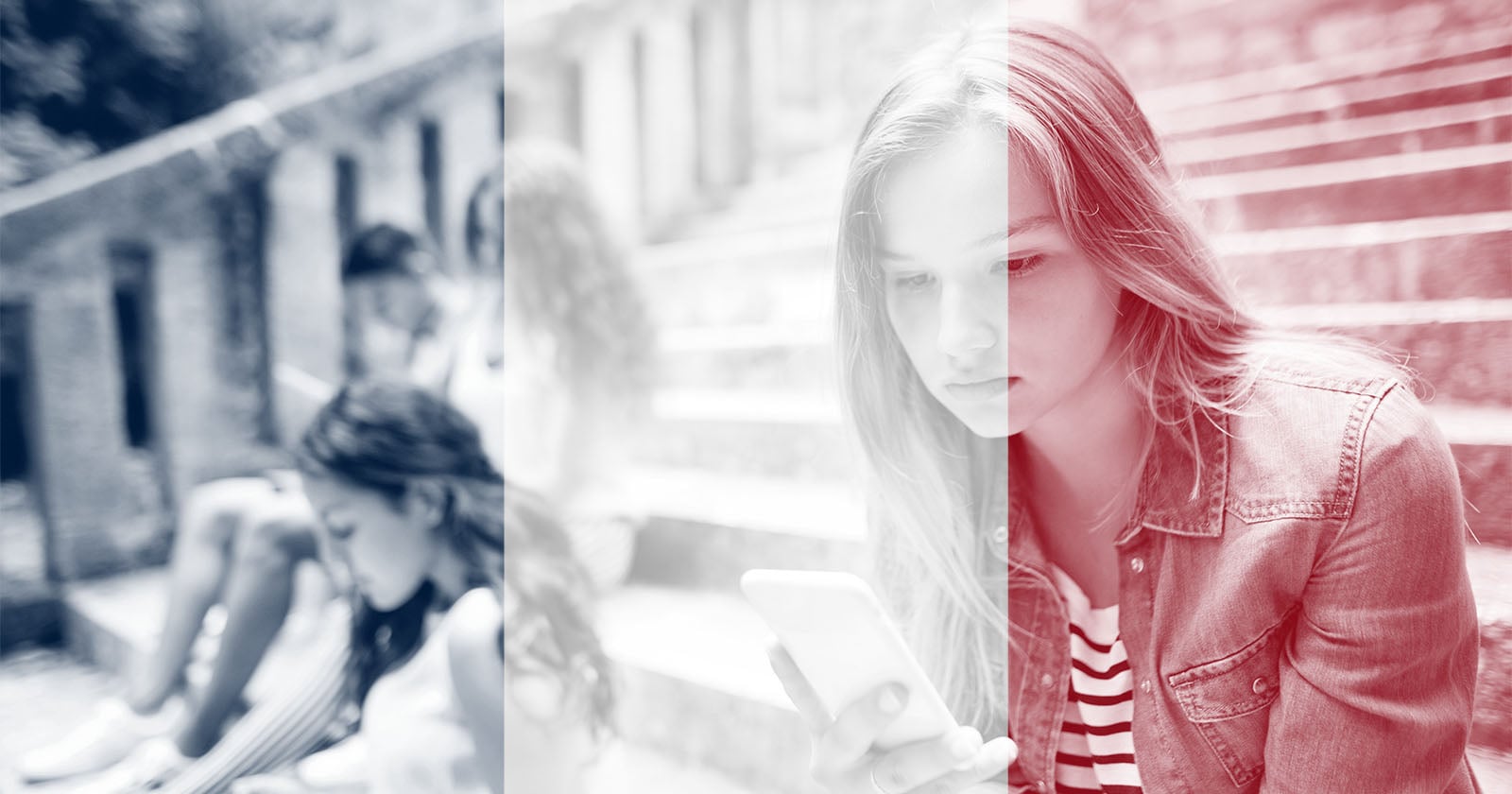
France has drawn a line in the digital sand, becoming the first nation in the European Union to say that childhood deserves a quieter screen. The new law, banning social media for those under 15, is not a punishment but a pause. It is a rare legislative act that treats the scroll as what it often is: a thief of presence, a curator of insecurity, and a very loud distraction from the art of actually living. We see this as a bold stroke of cultural curation, a decision to protect the raw, unfinished masterpiece of youth from the relentless gallery of comparison. It is aspirational in the truest sense, not because it promises perfect kids, but because it imagines a version of growing up where the first draft of identity is written in real ink, not pixels.
This move resonates deeply with a conversation we have been following closely. We recently explored how a Hotel Prioritizes Experience Over Social Media, banning photography to force guests back into the moment, and how the EU Proposes Restrictions on Youth Social Media Use at a bloc-wide level. France has now taken the philosophical argument and made it law. For our audience, the creative collaborators and health-conscious enthusiasts who value authenticity, this is not about being anti-technology. It is about being pro-craft. We know that a beautiful photograph, a curated feed, and a viral moment have their place in the modern aesthetic. But we also know that the most compelling art, the most vibrant personalities, and the most authentic connections are forged away from the flash of a notification. This law is an invitation to step back, to find the texture in the mundane, and to remember that the best content is often the life you forget to document.
What does this mean for you, practically? If you are a parent, it is a chance to redefine what a "digital coming of age" looks like. If you are a creator, it is a reminder that your audience is not a demographic, but a collection of humans who are also trying to find balance. We would tell you this: do not wait for a government to curate your child's timeline. Use this moment as a catalyst to design your own family's digital sabbath. Create a ritual where the first hour of the morning is free of glowing rectangles. Invest in a camera that has no Wi-Fi. Take a cue from the Signature 27: Where Mobile Photography Meets Elevated Design, which proves that the tool is only as good as the intention behind it. The point is not to demonize the screen, but to master it, so that when we do choose to engage, it is with purpose, not compulsion.
The honest take is this: France has given its youth a gift that is also a challenge to the rest of us. We can no longer pretend that the algorithm is a neutral babysitter. The question that remains open is whether other nations will follow, and more importantly, whether we as individuals have the courage to adopt the same boundaries voluntarily. Watch the French experiment closely. Observe how the next generation of artists and athletes and thinkers emerge from this digital sabbath. The specific detail we will be watching is how these kids adapt when they turn 15, whether they enter the social space with the discernment of a curator or the hunger of the previously banned. That transition will tell us if this law is a mere delay of the inevitable, or the first brushstroke of a more intentional future. For now, we are simply grateful for the pause.