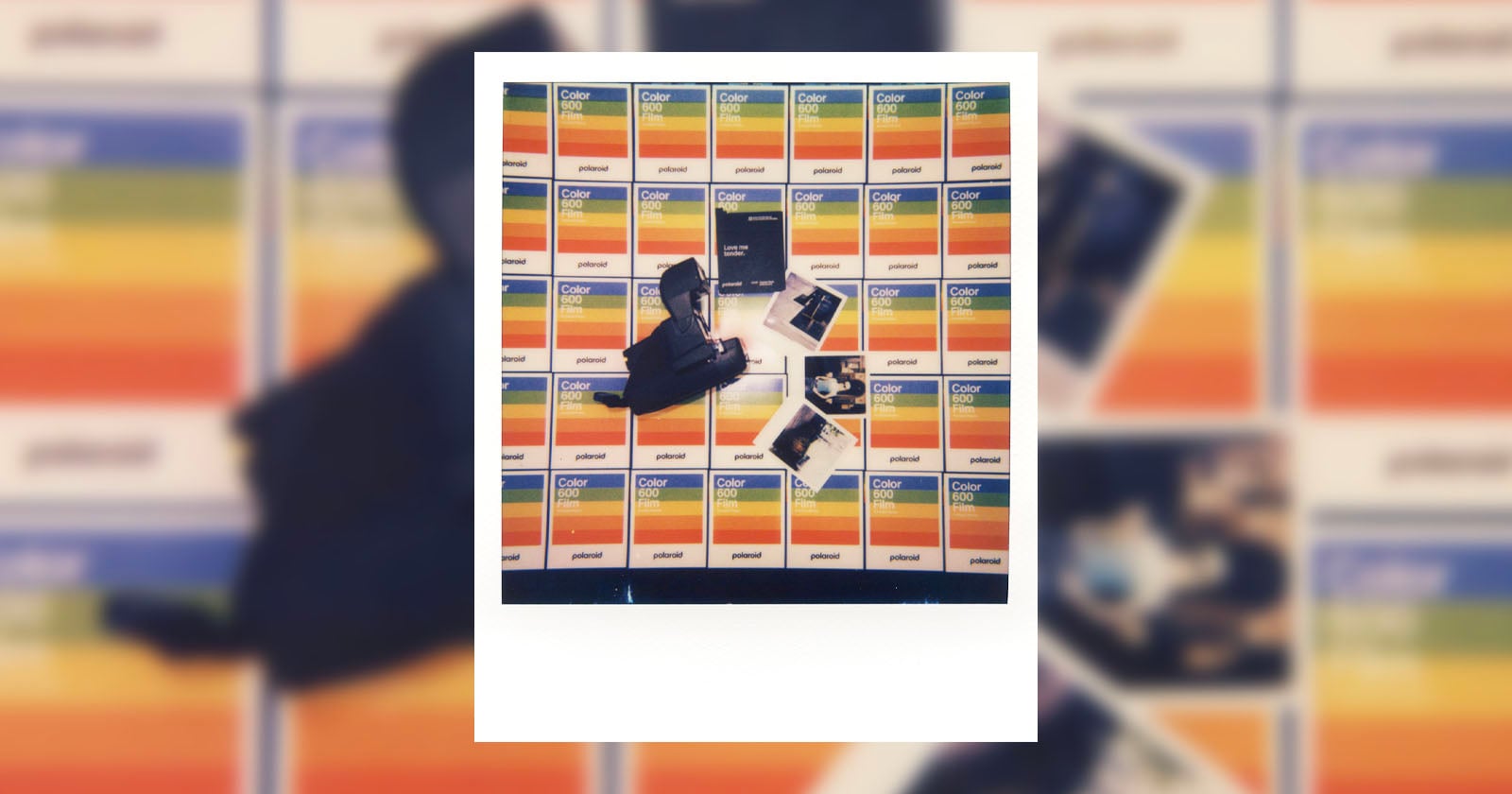
When Polaroid announced the end of Type 600 film in 2008, most of us accepted the loss as final. A beloved, imperfect medium was being shelved in favor of digital convenience. But a small group of people refused to let the format fade, forming The Impossible Project and proving that some things are worth saving not because they are practical, but because they are meaningful. This is not a story about nostalgia alone; it is a story about curation as an act of rebellion.
We have seen other beloved brands struggle with identity after reinvention. In A Curated Name Change That Left Us Wanting the Original, we explored how a new name can strip away the very character that made a product iconic. The Impossible Project took the opposite approach. Instead of rebranding the past into something unrecognizable, they studied the chemistry, the mechanics, and the culture of Polaroid's original film. They did not try to improve it into something generic. They worked to revive its authentic quirks, the unpredictable development, the soft focus, the white borders that frame a moment like a tiny stage. That is the difference between a corporate pivot and a genuine revival. Similarly, in Shifting the Frame: Adobe Exchanges Complimentary Access for Curated Discounts, we saw a company replace a valued benefit with a calculated offer. The Impossible Project offered no trade-offs. They gave us back the thing itself.
For our readers, those who value both artistry and intention, this revival means something concrete. It means you can still hold a physical photograph that develops before your eyes, one that cannot be deleted or filtered into sameness. The Impossible Project understood that the appeal of instant film was never about technical superiority. It was about the ritual: the sound of the eject, the slow reveal of an image, the slight imperfections that make each print feel like an original. In a world where every image can be perfect and infinite, choosing a medium that is finite and flawed is an act of resistance. It is a statement that you value process over speed, and authenticity over polish.
The open question now is whether this momentum can sustain itself. The Impossible Project has already shown that a dedicated community can reverse a corporate decision. But keeping a discontinued film format alive requires constant innovation in chemistry, supply chains, and consumer interest. We will be watching how they balance the tension between staying true to the original and evolving to meet modern expectations. The specific detail to watch is whether they can maintain the unpredictable magic of the film while scaling production. Because the moment the process becomes too polished, the very thing we love about it disappears. The revival of Type 600 film is a reminder that some of the best things are not improved, they are preserved.