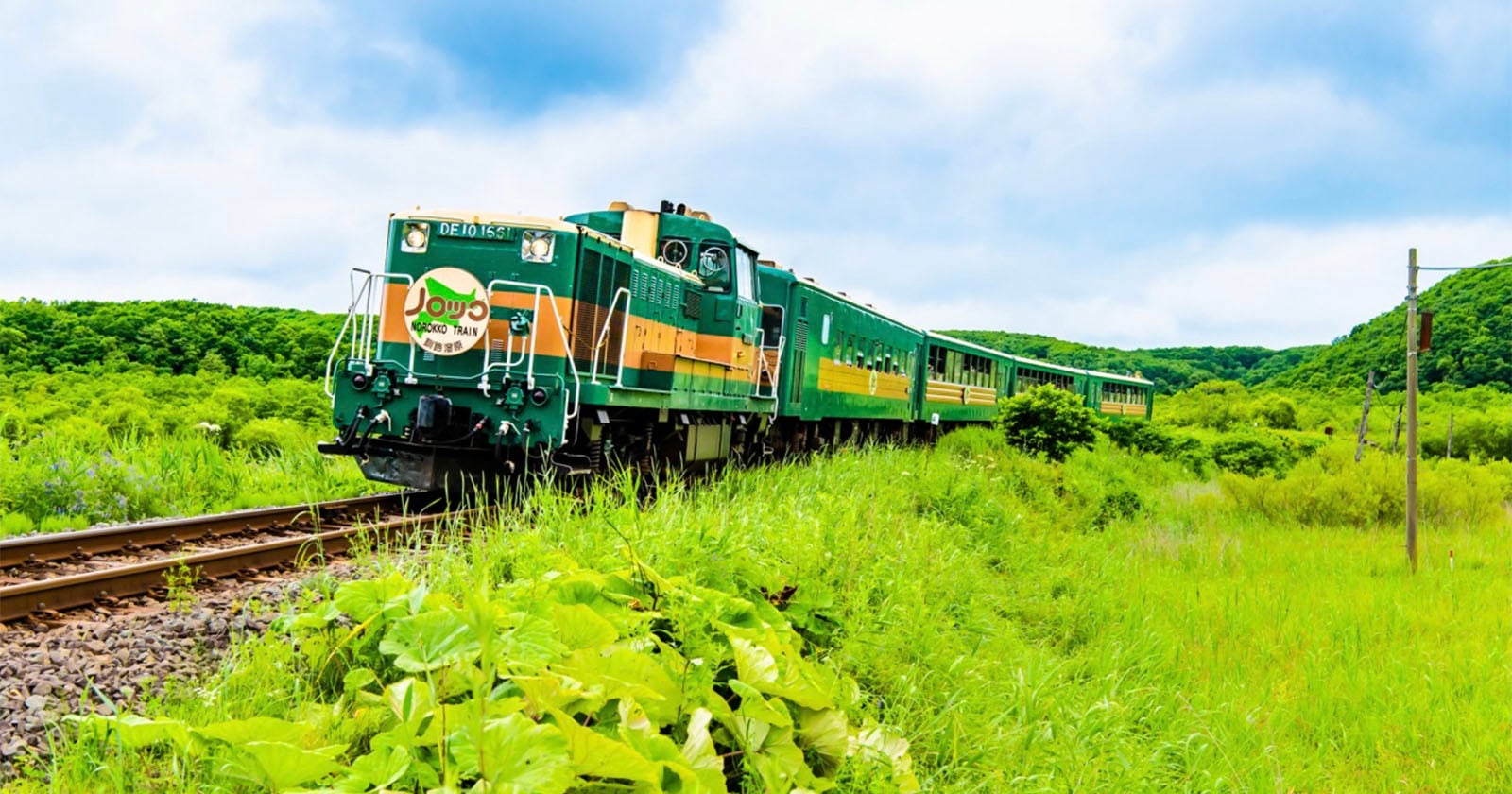
There's a fine line between devotion and delusion, and a 23-year-old photographer in Japan just chainsawed straight through it. Police arrested him after he cut down a tree, not to clear a view for a landscape, but to frame a better shot of a passing train. The tree landed on vital communication wires, and what could have been a quiet act of artistic obsession became a public disruption. We'll say it plainly: this was not creative commitment. It was reckless tunnel vision dressed up as passion.
Let's be honest with ourselves, everyone who has ever chased a perfect image understands the impulse. We have all craned our necks, climbed a stepstool, or waited thirty minutes for the light to shift. That hunger for the immaculate frame is what makes a photographer linger when others move on. But there is a boundary, and it is drawn where personal ambition meets public infrastructure. Cutting down a tree for a photograph is not curation; it is destruction. Compare that approach to the deliberate, engineered craft behind something like The Atlas blurs the line between telescope and camera with curated precision, where Vaonis built a smart telescope that respects the sky rather than rearranging it. Or consider Hipstamatic Curates a New Camera Club and Four Analog Apps for Winter, where the entire ethos is about layering intention and restraint into the process. The difference is not ambition, it is judgment.
For our readers, this story is a practical reminder that the tools we wield matter less than how we wield them. The man had a chainsaw. He had a camera. He had a vision. But none of those things justified the cost of a severed communication line and the inconvenience of a community. Authenticity, which we value so deeply in our creative lives, does not mean doing whatever it takes. It means knowing what not to do. A photograph that requires a fallen tree is not elevated, it is transactional. You exchanged a living thing for a composition. That is not art; it is subtraction.
The concrete takeaway here is for every creative reading this: before you reach for a tool, ask whether the result is worth more than what it removes. The train will run again. The wires will be repaired. But the tree is gone, and so is the respect earned by restraint. That is the detail to watch, how often we mistake force for passion. Next time you frame a shot, remember that the best images often emerge from working with the world, not cutting through it.