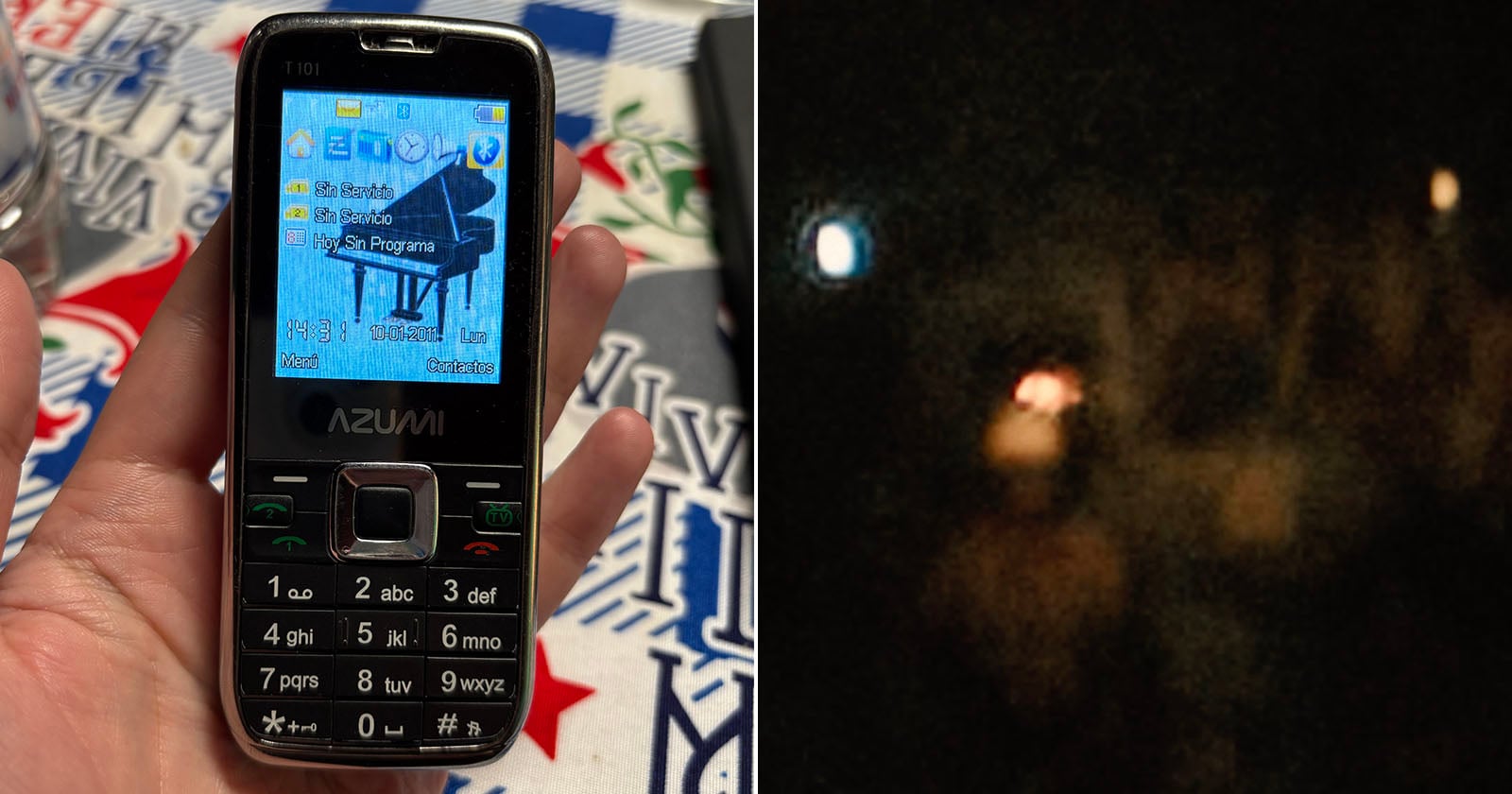
Sixty-nine days underground, half a mile of solid rock between them and the sky, and the only thing the world could do was watch. The new National Geographic series, *Chilean Mine Rescue: Race Against Time*, pulls us back into that suffocating dark, armed with never-before-seen cellphone footage from the miners themselves. It is not the rescue that haunts you, though we all remember the capsule breaking the surface. It is the waiting, the flicker of a phone screen in absolute black, the slow erosion of hope that the footage captures with an intimacy no news crew could have matched. We have seen survival stories before, but rarely one where the victims had the tools and the presence of mind to document their own descent into the unknown. It makes you wonder about the stories we tell ourselves about heroism, and how much of it is simply the refusal to stop reaching for the next breath.
For our readers, who appreciate the intersection of human endurance and the curated lens, this series is more than a disaster retrospective. It is a study in authenticity, a raw counterpoint to the polished worlds we usually explore here. We often write about the artistry in the objects we carry, like the Artistry in Hand: Tecno’s Camon Slim 5G Redefines Mobile Style, where design meets daily life. But this footage flips that narrative. That Azumi T101, a tool so ordinary it would be laughable next to today's flagships, became a lifeline, a window to the surface, a diary of terror. It is a reminder that the value of technology is not in its specs, but in its ability to connect us to our own humanity. We look for the same raw truth in Capturing the Himalayas: A Photographer’s Journey Through Climate and Culture, where the camera is not a prop but a witness. Here, that witness is a desperate man holding a phone to the dark, hoping someone, anyone, is listening.
The takeaway is not about the physics of the rescue or the engineering marvel of the drill bore. It is about the psychological weight of being forgotten while the world argues about whether to spend the money to save you. The miners faced a never-ending expectation of death, and that kind of stress does not leave you when you step into the light. It stays, a permanent shadow. For us, the practical lesson is about perspective. We curate our lives with filters and carefully chosen angles, but the most compelling stories are often the ones we cannot control. The question we should ask ourselves, as we scroll past the headlines, is not just "How did they survive?" but "What do we owe the ones who didn't make it back to the surface, or the ones who did and still carry the dark with them?" The series forces that uncomfortable question, and it refuses to let us look away. That is the detail to watch, not the happy ending, but the long, silent aftermath that the cameras rarely show.