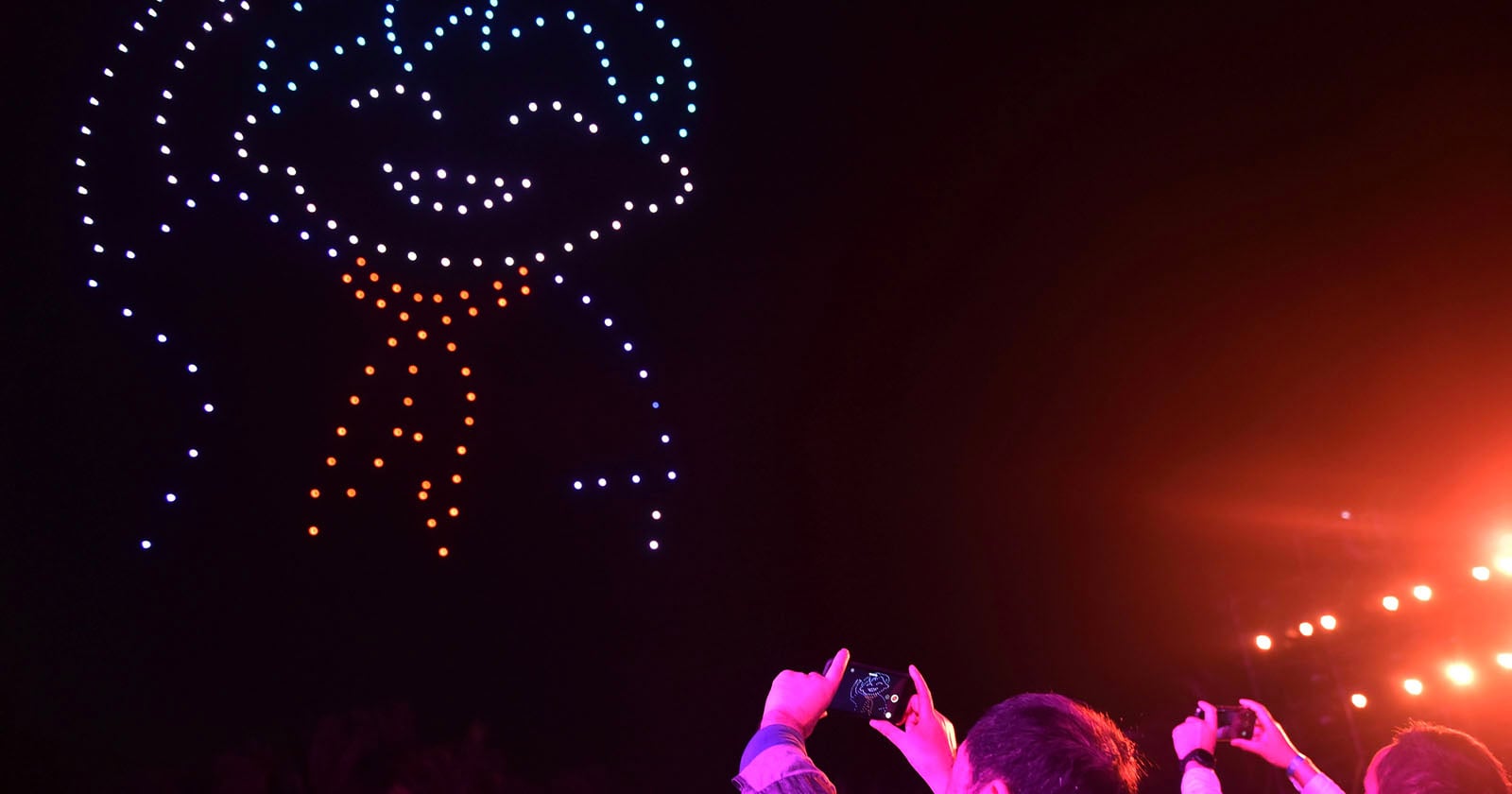
The skyline at night has become a canvas, a living, breathing artwork that thousands gather to witness. Drone light shows have transformed how we experience spectacle, turning open air into a medium for storytelling that feels both futuristic and intimate. So when one of the largest operators in the United States says the FCC's proposed retroactive ban on certain foreign-made drones could effectively kill their business, we should all stop and pay attention. This is not a minor regulatory tweak. It is a potential eclipse over an entire creative industry, one that has only recently found its footing.
The proposed rule would target drones already in use, retroactively pulling the rug from under companies that made investments in good faith. For the operators who choreograph these luminous ballets, the uncertainty is not just about compliance. It is about the very viability of their craft. We see the artistry in the sky, but the infrastructure beneath it is fragile, built on supply chains and hardware choices that were made when the regulatory horizon looked calm. The FCC's move, however well-intentioned, risks treating a dynamic art form like a static utility. That is a category error.
For our readers, who appreciate the intersection of technology and beauty, this is not a distant policy debate. The events you attend, the brand activations you admire, the moments you capture on your phone and share with the world, they all depend on this ecosystem. We see a parallel in the way new creative tools emerge and evolve. Consider the Unfold Radiance: The OrBrella FM 60B Light Transforms in Seconds, a piece of gear designed for immediate, flexible visual expression. Or the Immersive Cinema Arrives: Meta’s VR Glasses Earn IMAX Certification, which pushes the boundaries of how we experience narrative. These are tools that empower creators to push forward, and they thrive on a stable environment. A retroactive ban is the opposite of that stability. It is a signal that the ground can shift beneath your feet, not because of a creative failure, but because of a policy decision made far from the studio floor.
What would we tell a reader who asks about this? We would say that the practical consequence is immediate: expect fewer shows, higher costs, and a chilling effect on innovation. The magic of a thousand drones moving in unison is not just a technical achievement; it is a business model built on predictability. When that predictability is removed, the art retreats. We would also note that this is a moment for creators and enthusiasts to speak up, to remind regulators that the tools of expression are not interchangeable commodities. The drone operator is not so different from the photographer, the lighting designer, or the filmmaker. They all deserve a regulatory environment that recognizes their work as art, not just hardware.
The specific detail to watch is how the FCC handles the grandfathering of existing fleets. If they offer no path forward, we will see a rapid consolidation, with only the largest players surviving, and even they will feel the squeeze. A dimming sky is a loss we all share. The question is whether our regulators can see the art for the machinery.