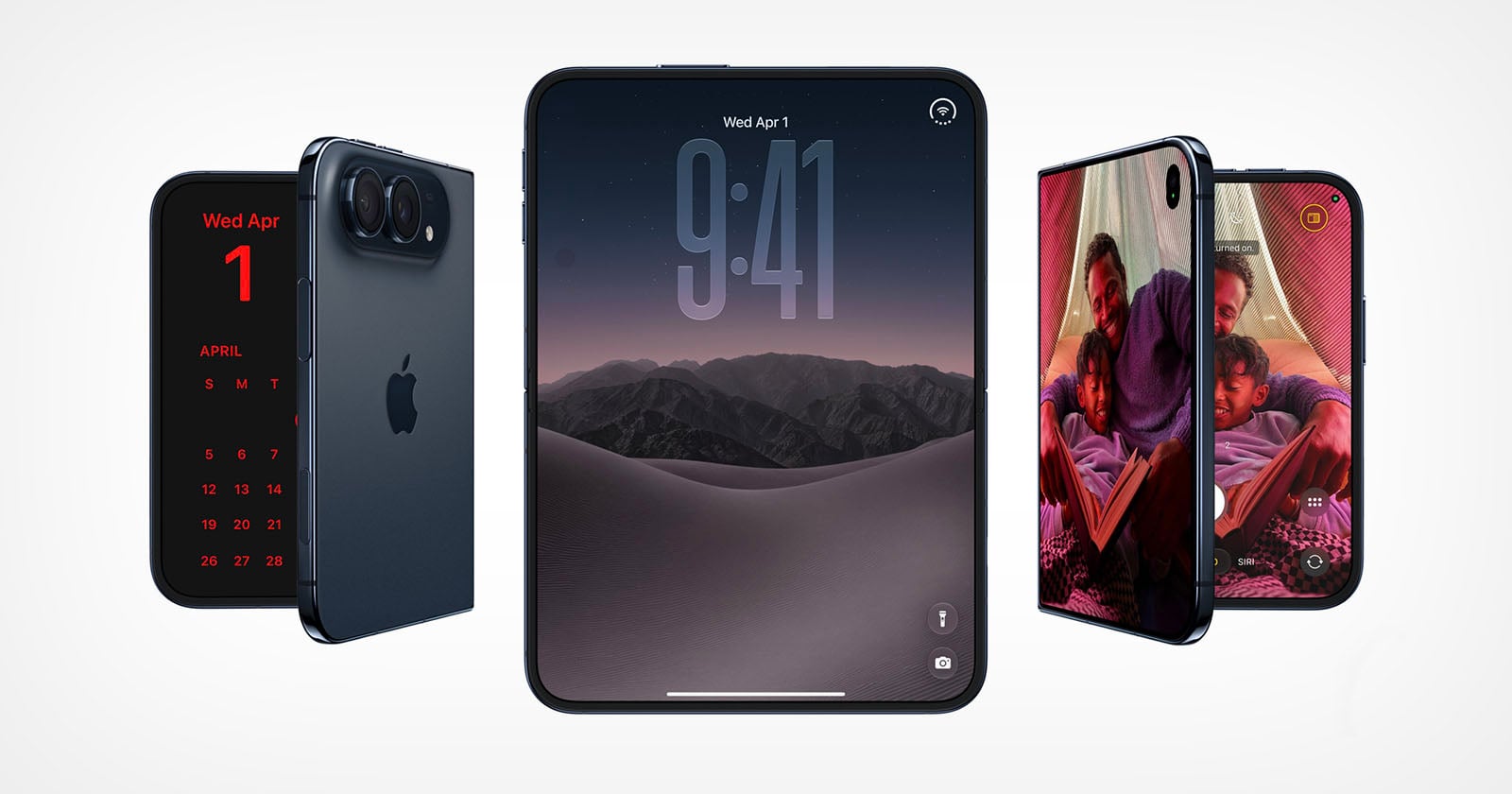
The iPhone Duo's launch was meant to be a statement of refined innovation, but the "crackgate" reports have introduced a note of fragility that feels at odds with the device's promise. Our take is straightforward: a foldable screen that fractures within hours is not a minor flaw, it's a fundamental challenge to the trust Apple has built with its most dedicated users. This isn't about a single defective unit; the wave of complaints from Australian owners and beyond suggests a pattern that demands a response far more substantive than a quiet repair program.
For our readers, who appreciate the intersection of artistry and function, this story cuts deeper than a typical hardware hiccup. The iPhone Duo was positioned as a canvas where technology meets lifestyle, a device to be curated into your daily rhythm. When that canvas cracks, it disrupts the immersive experience Apple sells. Compare this to the quiet confidence of The New iPad Mini Arrives with Its Most Refined Design Yet, where the company touted its "biggest update ever" without a whisper of durability concerns. Or consider The iPhone Duo Case Sticks to the Script: Here's Why That's the Point, which argued that the phone's design language was intentionally familiar. That familiarity now feels hollow if the core mechanism can't survive a day in a pocket. The contrast is stark: one product refines a proven formula, while the other introduces a new one that appears, at least initially, to be structurally compromised.
The practical consequence for our audience is immediate. If you are considering the iPhone Duo as your next creative or wellness companion, a tool for capturing movement, styling outfits, or documenting your curated life, the crackgate reports introduce a real hesitation. This isn't about waiting for a software patch; it's about whether the physical hinge and flexible display can withstand the everyday elegance the brand embodies. Apple's response has been characteristically measured, but for a community that values authenticity, silence reads as evasion. We need to see a clear path from "we are aware" to "we have solved this," and we need it before the next wave of pre-orders ships.
The specific detail to watch is not the number of complaints, but the nature of Apple's fix. Will they reinforce the screen assembly, adjust the closing mechanism, or simply offer replacements until the design matures? For a company that prides itself on the feel of a product, the click of a lid, the weight of a chassis, a fragile fold is an existential problem. Until Apple addresses the structural integrity with the same care it applies to the iPhone Duo's aesthetics, the device remains a beautiful idea with a broken promise at its core.