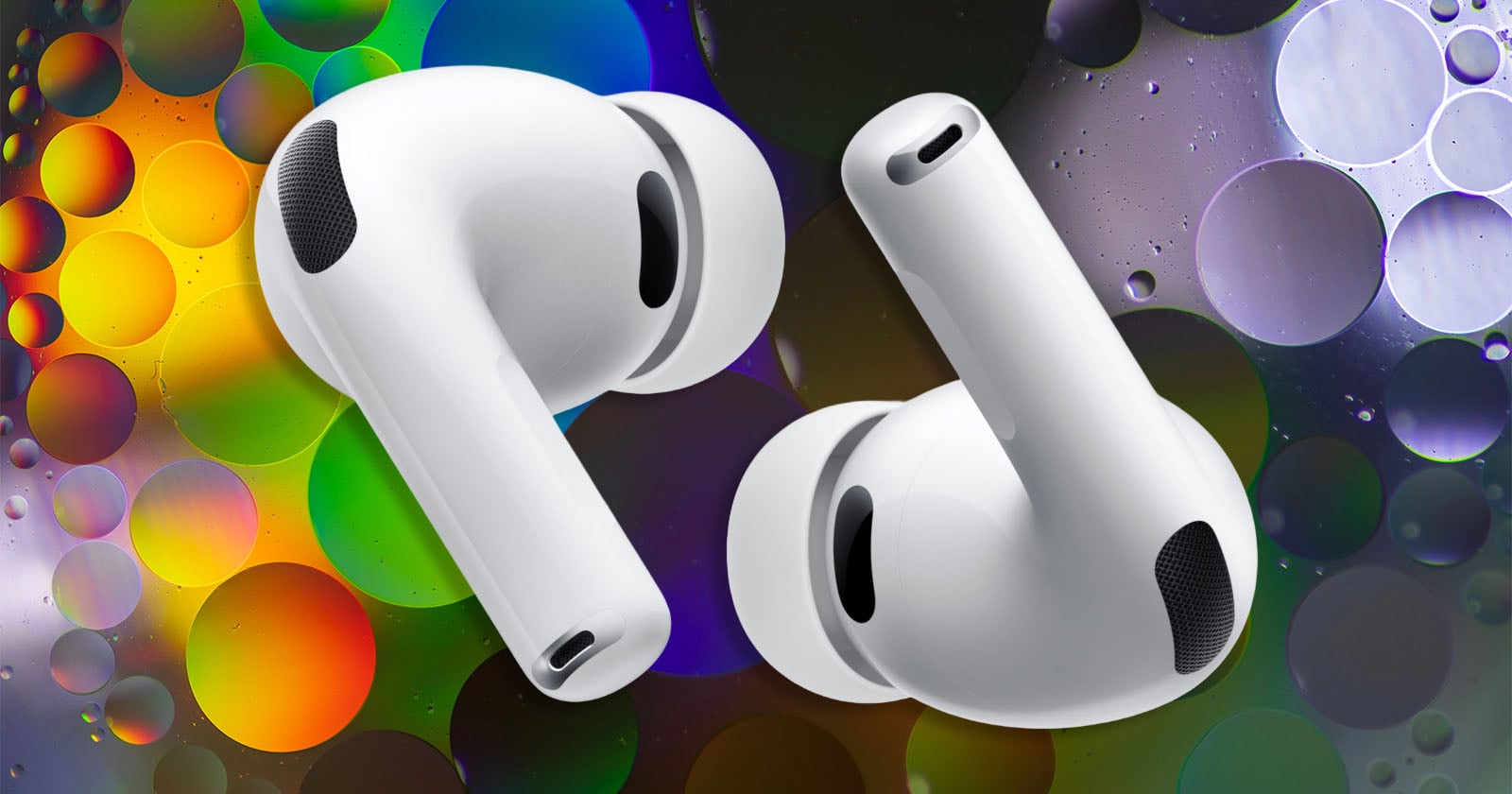
The first image of camera-equipped AirPods, buried inside a macOS beta, feels less like a rumor and more like a quiet confession from Apple. Mark Gurman at Bloomberg flagged the possibility earlier this month, and now the evidence is right there in the code. We are not talking about a grainy concept render or a fan-made mockup. This is the real thing, or at least the closest thing to it, and it reframes what we think a pair of earbuds can be.
For our audience, which already understands that technology is a material for living well, this is not a headline about sensors and processors. It is about intention. Consider how we already use our devices to curate our days, from the Unlock Your Wellness Potential: A Look at Apple’s Readiness Score to the way a tool like Muse AI’s Ascent Elevates Meta, Redefining the App Landscape is reshaping how we interact with our phones. The AirPods with cameras are the next logical step in this trajectory. They are not about taking photos the way you would with a phone; they are about capturing a perspective, a moment, without ever lifting a finger. That is the immersive, hands-free future we have been circling for years, and it is arriving in a form factor that disappears into your ear.
Our honest take is that this is less about the hardware and more about the grammar of interaction. If the rumors hold, these cameras will likely serve spatial audio and contextual awareness first, not photography. That means your AirPods could know you are in a gallery, a studio, or a quiet café, and adjust the soundscape accordingly. It is a deeply artistic approach to a daily accessory, one that aligns with the philosophy behind Signature 27: Where Mobile Photography Meets Elevated Design, where the device is not just a tool but a brushstroke in a larger lifestyle composition. For the creative collaborator, this is gold. For the health-conscious enthusiast, it suggests a new layer of ambient awareness, a way to stay connected to your environment without staring at a screen.
What we would tell a reader who asks us about this is simple: do not wait for the finished product to be impressed, but do wait for the first software update before you judge it. Apple's beta is a promise, not a final statement. The practical takeaway here is that the camera in your ear is not about replacing your phone's lens. It is about giving your other senses a voice. Watch how the first-party apps handle this. Watch how the audio adjusts when you turn your head. That is where the future gets interesting, and it is a detail worth tracking closely.