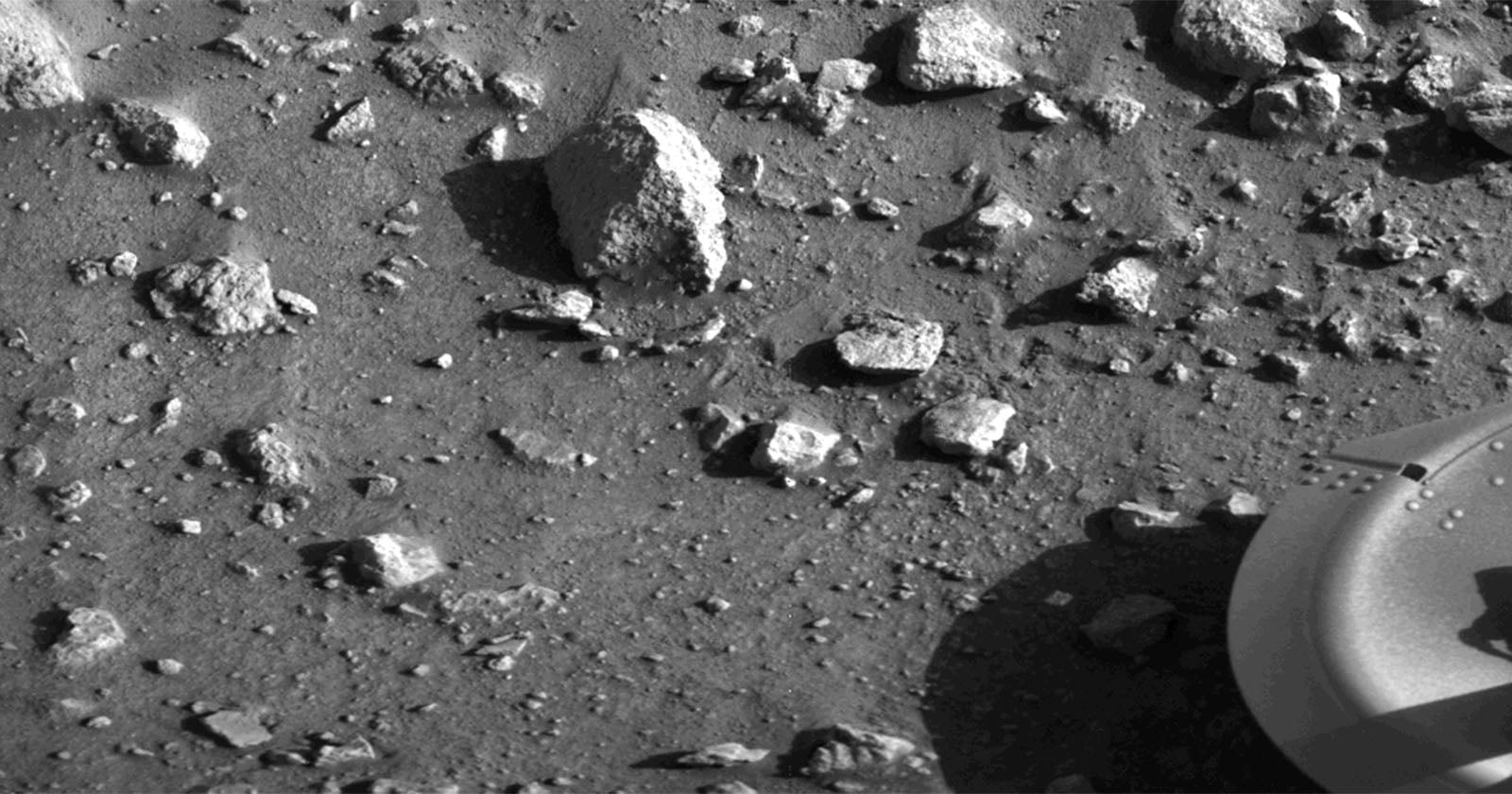
Fifty years ago this week, NASA's Viking 1 spacecraft didn't just land on Mars. It sent back a single image that changed how we see our place in the universe. That first photograph, taken minutes after touchdown, was more than a technical milestone. It was the first time a human-made eye had looked at another planet's surface and shown us the view. In an era where we swipe past high-definition rover panoramas without a second thought, it's worth pausing to remember the quiet audacity of that moment. The image is grainy, dusty, and utterly barren, yet it holds a strange, artistic weight. It is raw, unpolished, and authentic, much like the kind of beauty we champion in our own work.
For us, this anniversary isn't just about space history. It's about the creative impulse that drives all image-making. The same curiosity that pushed Viking's engineers to build a camera tough enough for another world is what pushes a photographer to wait for perfect light or a designer to chase an honest frame. That connection between technical precision and artistic vision is something we explore constantly. Consider how Capturing Cosmic Beauty: An Astrophotography Journey with Nikon speaks to our enduring fascination with the heavens, or how Elevate Your Vision: PolarPro’s Radial Filters Reimagine In-Camera Color emphasizes getting the shot right in the moment, not relying on post-production. Viking 1 had no filters to lean on, no second chances. It had one shot, and it delivered. That's a lesson in intentionality that still resonates.
Our take is simple: this anniversary isn't a nostalgia trip. It's a reminder that the most profound images often come from risk and limitation. Viking's camera had to survive a journey of millions of miles, then function perfectly in an environment no human had ever seen. That kind of trust in the process, and in the tools, is something we'd all do well to channel. When a reader asks us what this means for them, we'd say this: go back to basics. Look at what you're trying to capture and ask if you're honoring the moment, not just the output. The first photo on Mars wasn't perfect. It was real. And that's what makes it immortal. As we celebrate this half-century mark, we're also reminded of other legacies of vision, like the work celebrated in A Legacy of Vision: Linda McCartney’s Photography Celebrated by USPS, where authenticity and human connection remain the core of lasting imagery.
The practical takeaway here is one we can all carry forward. The next time you're framing a shot, editing a video, or even just deciding what to share, ask yourself what future viewers will see. Will they see a moment, or will they see a product? Viking 1 gave us a moment, a raw slice of a foreign world, and it has outlasted every glossy render since. That's the standard we should hold ourselves to. Not perfection, but presence. And if a machine built in the 1970s can do that from 225 million kilometers away, we have no excuses. The question isn't whether we can capture something meaningful. It's whether we're brave enough to press the shutter.