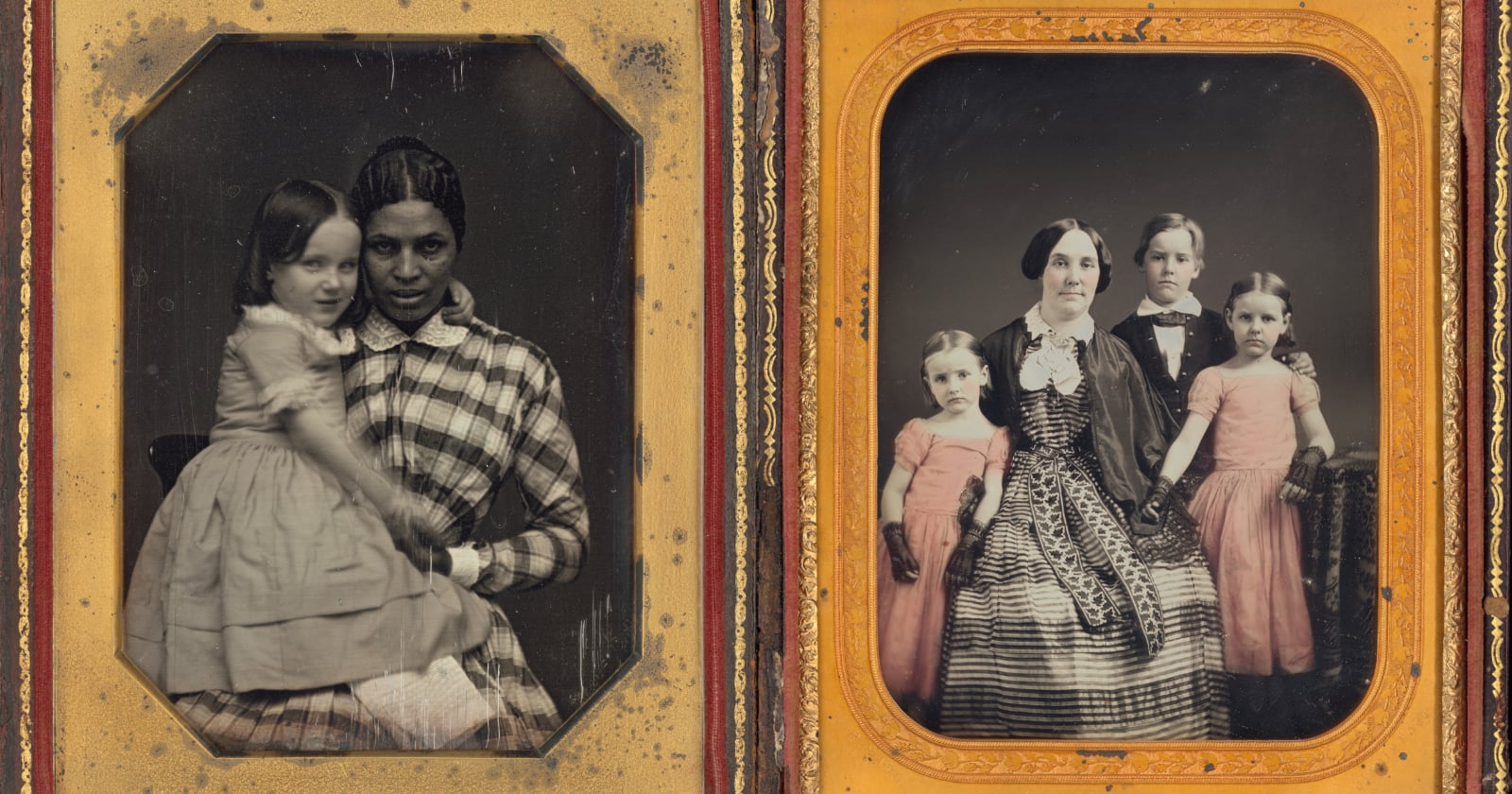
The National Gallery of Art's announcement of an exhibition tracing African American photographers and their portrait subjects from photography's earliest days is more than a calendar note. It is a quiet correction to a story we thought we knew. We have spent years discussing representation in front of the lens, but this exhibition asks us to consider who was behind it, and why their names have lingered in the margins. For a medium that has always traded in visibility, this feels like a homecoming.
What strikes us is how naturally this pairs with the ongoing conversation about portraiture's purpose. We recently looked at Celebrating Portraits: Photography Honoring the Spectrum of Skin Tones, where the challenge of rendering melanin accurately became an artistic and technical quest. That piece was about the present, about the tools we have now. This exhibition is the foundation for that work. The earliest African American photographers were not just documenting their communities; they were negotiating exposure, literally and figuratively, in a society that often refused to see them clearly. Their portraits were not neutral records. They were acts of self-definition, curated with the same care we now bring to a studio session or a carefully edited feed.
There is also a thread here for those of us who think about the collaborative nature of image-making. Our recent feature on Collaborate & Create: Boudoir Sessions Offered Across Florida's Coast explored the trust and vulnerability required when two people build an image together. That dynamic is not new. The daguerreotype cases in this exhibition, some showing a Black woman with a child beside a white woman with hers, suggest a studio practice that was already attentive to composition, pose, and the quiet power of a direct gaze. The technical challenges were immense, but so was the intention. These were not accidental frames. They were deliberate, polished, and deeply personal.
Our take is simple: this exhibition should not be treated as a historical footnote. It is a reminder that the aesthetics we chase today, the soft light, the honest expression, the celebration of skin in all its tones, have a lineage. When we look at the work of a contemporary photographer using a Leica or an iPhone, as we explored in Leica Lux 2.0: Crafting iPhone Photography with Artistic Vision, we are standing on a practice of seeing that was honed under far less forgiving conditions. The tools change; the eye does not. What we would tell a reader who asks us about this exhibition is to go with the expectation of being moved, not just educated. Pay attention to the faces, yes, but also to the choices behind them. The legacy is not abstract. It is in the confidence of a subject who knew they were being seen, finally, on their own terms. The detail to watch is the framing: who is centered, who is sidelined, and what that says about the world these photographers were building, one exposure at a time.