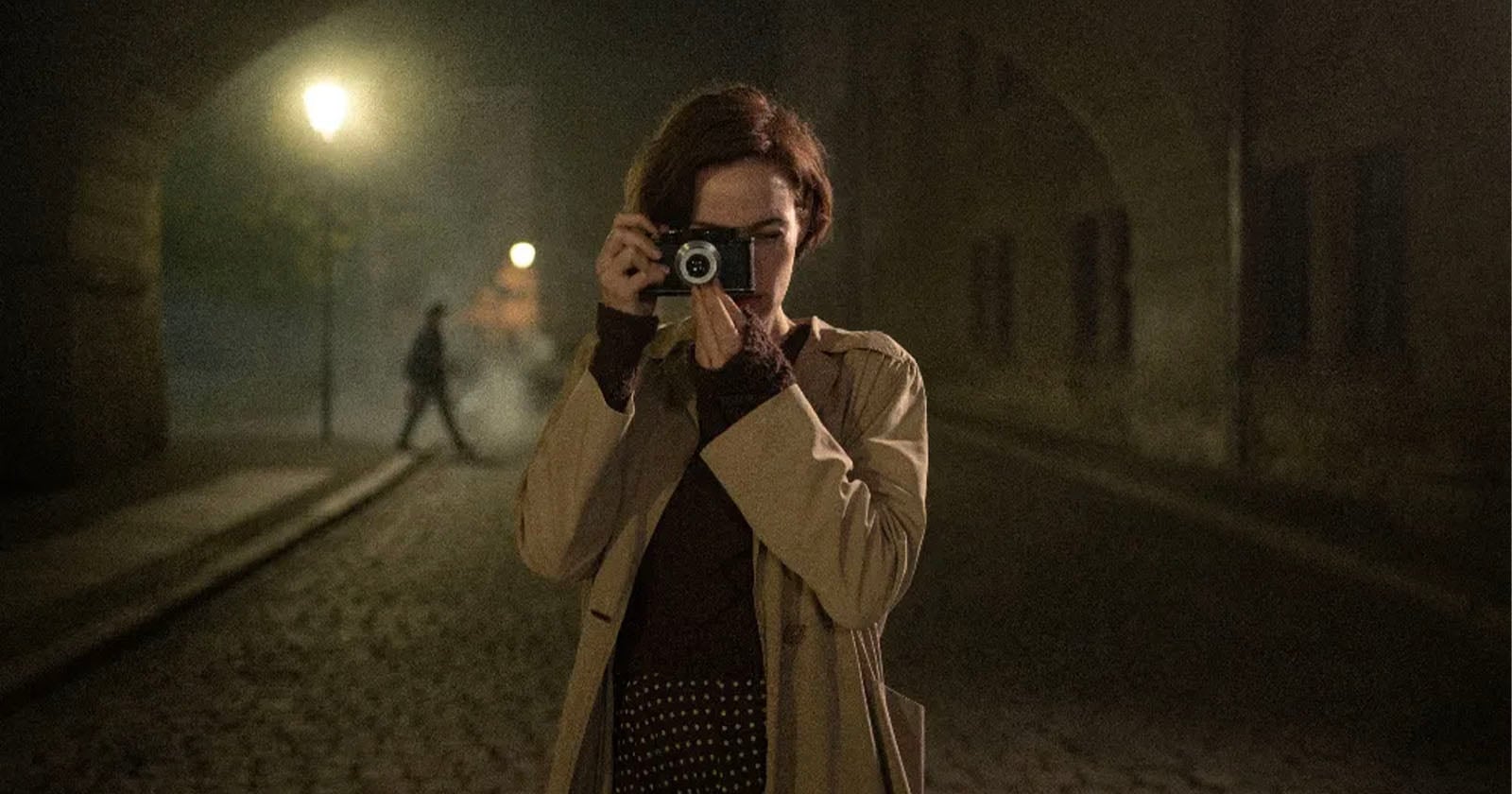
There is a particular kind of silence that falls over a festival audience when a frame of film carries more weight than its own narrative. The world premiere of a feature film about Gerda Taro at the Venice Film Festival is not just a cinematic event; it is a reckoning with a legacy that has been, for too long, a footnote in the shadow of Robert Capa. Taro was the first female photojournalist killed while covering war, and her story, once confined to archives and academic texts, now demands the immersive, curated attention that a feature film provides. We watch her story unfold not as a dry history lesson, but as an invitation to consider the cost of bearing witness, a theme that resonates deeply with anyone who has ever picked up a camera with intent.
This is where our world of visual storytelling intersects with the contemporary tools of the craft. The film arrives at a moment when the conversation around image-making is dominated by the technology in our pockets, a dialogue our own pages have explored through the lens of modern innovation. Consider how Leica Elevates iPhone Photography with Curated LUX Ecosystem & McCurry Filter or how Leica Lux 2.0: Crafting iPhone Photography with Artistic Vision are redefining the boundaries of the medium. These tools place immense power in our hands, allowing us to curate reality with a swipe. Yet Taro's story is a stark counterpoint to that ease. She worked with a heavy Leica, not a smart-phone, and her currency was not a filter but raw proximity to history. Her legacy is a reminder that the most powerful images are not those that are merely crafted, but those that risk everything to document a truth that is often ugly, chaotic, and profoundly human.
Our honest take is that this film does more than just retell a historical biography; it challenges the modern photographer to examine their own motivations. We live in an era where the line between documenting and performing has blurred, where the boudoir sessions and lifestyle shoots we feature, like the Collaborate & Create: Boudoir Sessions Offered Across Florida's Coast, represent a spectrum of expression that Taro never had the luxury to explore. Her work was not about aesthetics; it was about accountability. Seeing her story on screen forces a practical question for us all: are we using our visual voice to engage with the world's depth, or are we simply curating its surface? For a reader asking us what to take from this, we would say this: let Taro's life be a filter for your own practice. The specific consequence to watch is how this film influences the next generation of storytellers, whether they are wielding a vintage Leica or the latest iPhone, to consider not just what they frame, but why they are there to take the shot at all.