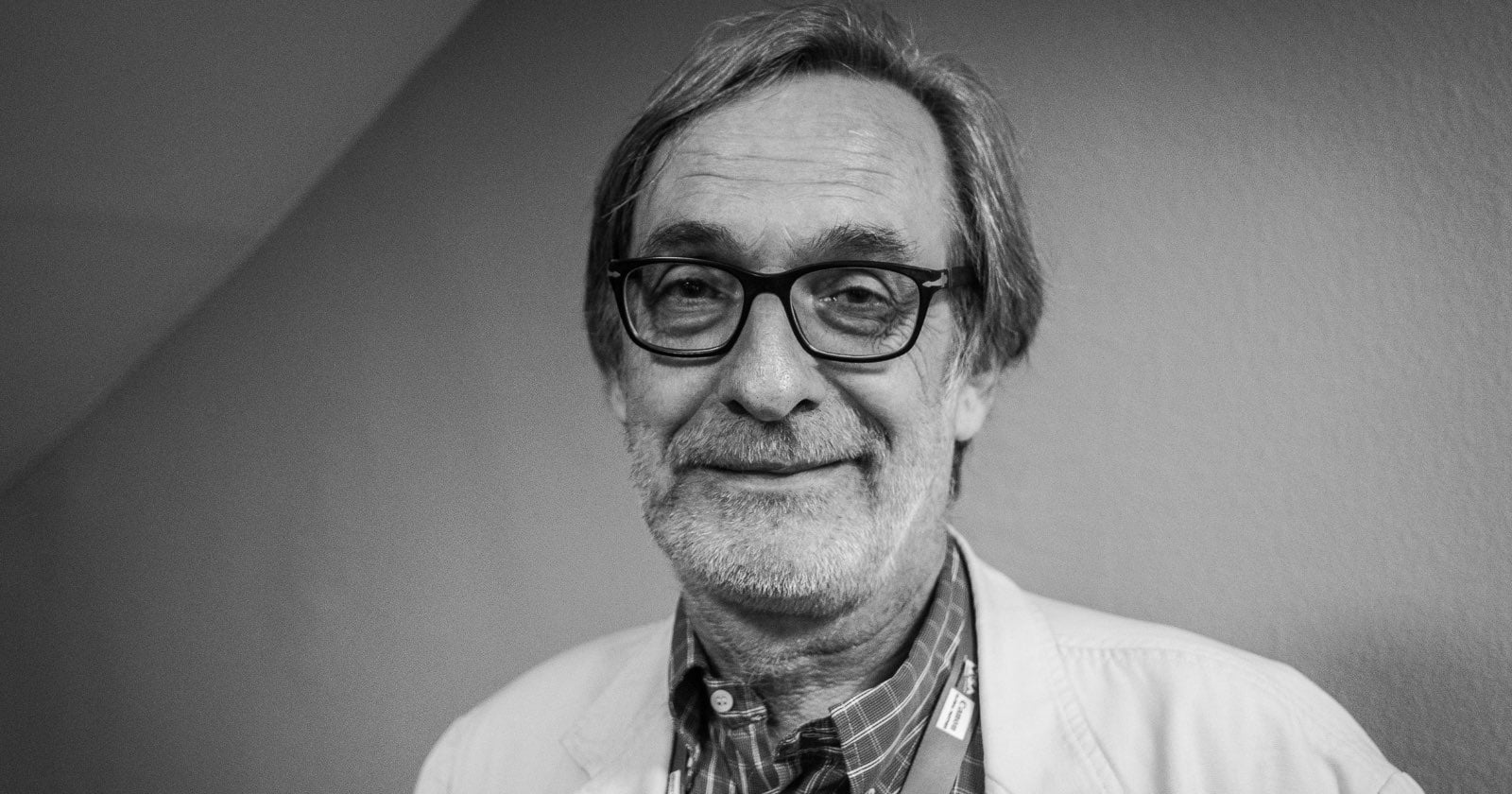
There is a particular kind of quiet that settles over a festival when the founder steps away, and the news of Jean-François Leroy's passing lands with that same hush. He gave the world Visa pour l'Image, and in doing so, he gave photojournalism a permanent home in Perpignan. For decades, that festival has been less an event and more a pilgrimage, a place where the rawest stories are projected in large format against ancient stone. His death closes a chapter, but the light he switched on for so many documentarians will not dim easily. We are reminded that the frame he built was never just about the images, but about the conviction that bearing witness is an art worth celebrating.
This loss arrives in a season when the medium itself is being redefined daily, from the cosmic reach of astrophotography to the grassroots energy of community showcases. We recently explored how Capturing Cosmic Beauty: An Astrophotography Journey with Nikon invites us to look outward, while Experience Photography's Artistry: The 5 Boro Foto Fest Returns reminds us that the art form thrives in the hands of local curators and passionate amateurs. Leroy understood that tension perfectly: the grand and the intimate are not opposites, but partners. His festival treated the front page and the personal project with equal reverence, which is why it became the standard against which all other visual storytelling gatherings are measured. For our readers, the practical takeaway is this: the spaces where photography is honored are not luxury extras. They are the infrastructure of our collective memory, and they need champions now more than ever.
What we would tell anyone asking about Leroy's legacy is simple. Do not mourn the man by looking backward with nostalgia. Instead, look at the work he made room for, and then go make room for someone else's work. The festival was never a museum; it was a launchpad. It gave unknown names their first international audience and gave established voices a place to test bolder, more personal stories. That spirit of risk and generosity is the inheritance he leaves. In an era where algorithms flatten our tastes and the loudest voices often drown out the truest ones, his model feels almost radical. He proved that a city can become a stage, that a projector can be a beacon, and that the right frame can change how we see the world, one frame at a time.
The question his passing leaves us with is not whether the festival will continue, but whether we will carry its founding impulse forward. Will we support the independent voices, the difficult stories, the images that refuse to look away? We should watch how Perpignan responds in the coming years, whether the next generation of editors and curators steps up to hold the space. Because the true legacy of a man like Leroy is not the event itself, but the conviction that visual truth deserves a public square. For every photographer reading this, the challenge is personal: find the story that matters, and trust that someone will build a wall for it. That is the lesson. That is the light.