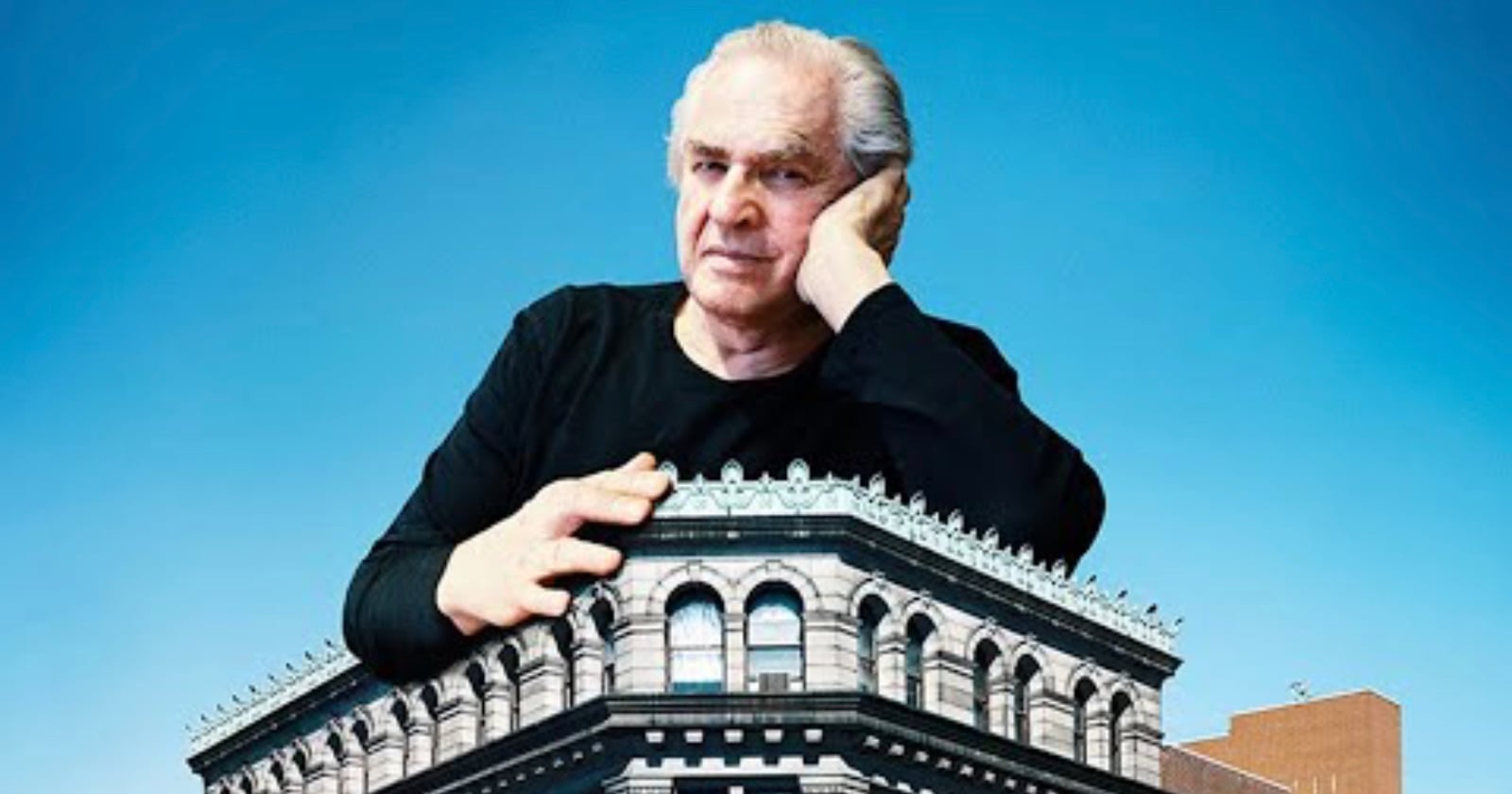
Jay Maisel spent a lifetime teaching us how to see, and now that he's gone at 95, we're left with the quiet challenge of paying attention the way he did. His passing, announced alongside the legacy of the 2018 documentary *Jay Myself*, isn't just a footnote in photography history; it's a reminder that the most powerful tool any of us owns isn't the camera, but the willingness to wait for the light to do something ordinary and then catch it being extraordinary. Maisel's work was never about the grand gesture; it was about the color of a wall at 4 p.m., the accidental geometry of a stranger's shadow, the way a single frame could hold a whole story without a single character moving. For our readers, who are constantly curating their own visual lives, his death asks a sharp question: are you actually looking, or just scrolling? The answer matters more than any gear upgrade.
What strikes us most about Maisel's story is how he treated his own life as a raw material, not a polished product. He lived in a six-story building on the Bowery for 40 years, not because he was hoarding, but because he understood that immersion breeds authenticity. He didn't chase trends; he chased the light. In an era where everyone is performing their lives for an audience, Maisel's example is a corrective. He wasn't a recluse, but he was selective, and that selectivity is what made his vision so consistent. For creators and health-conscious enthusiasts alike, there's a practical takeaway here: your environment shapes your output. If you want to make work that feels alive, you have to be willing to sit in the mess, the quiet, the overlooked corners of your own world. That's not a metaphor; it's a daily practice. We'd tell any reader who asks, "What should I do with this news?" to go back to his images, not to mourn, but to study how he framed the mundane. Then go find your own mundane and sit with it.
This is also a moment to reflect on how we memorialize artists. Maisel's fame grew partly because of a documentary that was as much about process as it was about product. That film gave us permission to see him as a man, not a legend, which is rare. Our take is that we should resist the urge to canonize him into a brand. The worst thing we could do is reduce him to a style you can copy. Instead, let his life be a prompt: what would you make if you stopped worrying about being liked and started paying attention to what's in front of you? The practical consequence of his passing is that we now have to carry that question ourselves. There's no new book, no new exhibition, no new interview to tell us the answer. So the specific detail we're watching is how his former students and collaborators choose to frame his legacy in the coming months. Will they turn him into a lesson, or will they let his work keep breathing as a living example? That's the only thing left to see, and it's the most important one.