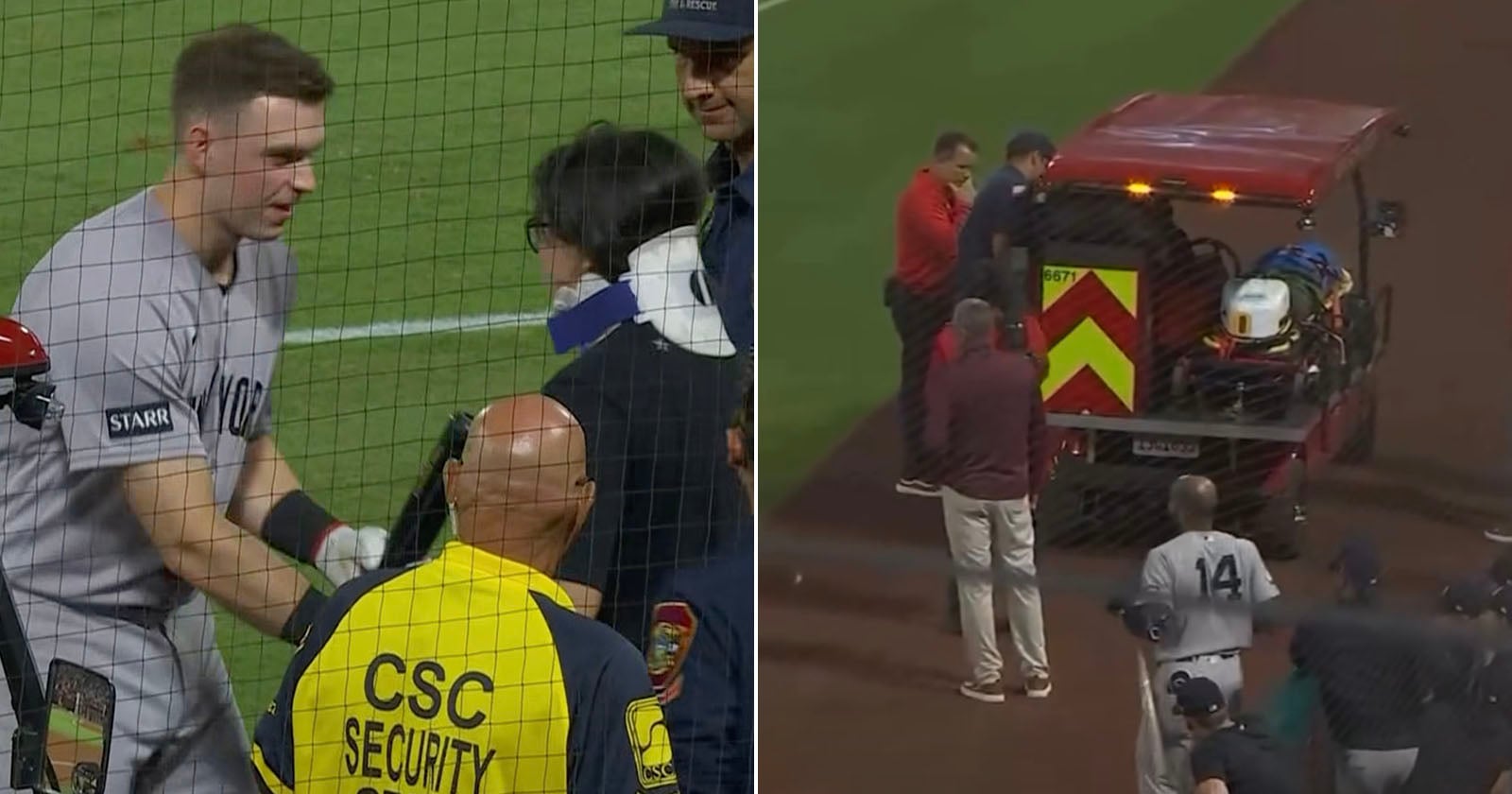
The crack of the bat was supposed to be the soundtrack of a routine summer game, but last night in Anaheim, it became a sharp, collective gasp. When a hard foul ball found its way past the protective netting and struck a photographer in the head, the game between the Yankees and Angels came to a halt. The delay was a chilling reminder that while we often frame these moments as part of the spectacle, the people holding the cameras are just as exposed as the athletes on the field. We talk about the artistry of the perfect frame, the curated chaos of a live game, but this was a raw, unscripted moment that had nothing to do with aesthetics and everything to do with vulnerability.
This incident sits in stark contrast to the stories we often share about the profession. Just last week, we covered how a photographer's fall from grace, A Photographer's Fall: Luxury, Swiftie Dreams, and a $4.6M Loss, was a tale of deception and misplaced trust. And recently, we celebrated the technical marvel of Refined and Accessible: The Nikon Z5 IIC—A Full-Frame Camera, Reimagined and the promise of sharper focus with A New Lens for Close-Ups: Canon's RF 90mm Macro Arrives. Yet, none of that gear matters when a 100-mile-per-hour line drive is heading straight for your skull. The narrative arc of photography is rarely about the physical risk, but nights like this force us to reconcile the romanticism of the chase with the very real cost of being close to the action. For every stunning shot that freezes a moment of athletic brilliance, there is a photographer who chose to stand in the line of fire, trusting that the barriers will hold.
Our honest take is that this is a wake-up call for the league and for the media outlets that assign these roles. It is not enough to rely on the existing netting and hope for the best. The photographer was doing their job, positioning themselves to give us the immersive, vibrant perspective we crave. But we have to ask: where is the line between the thrill of the game and the safety of the storytellers? We would tell a reader who asks us about this that it is a matter of protocol, not luck. The league needs to examine the sightlines from the photo wells with the same urgency they apply to protecting fans in the front row. It is a practical conversation about extending the protective netting, or perhaps creating new, safer vantage points that do not sacrifice the intimacy of the shot for the security of the person taking it.
As the photographer reportedly received medical attention, the game resumed, but the unease lingered. We are not here to call for the end of sports photography, nor to sensationalize a single, scary moment. But we are here to say that this should not be an accepted hazard of the craft. The takeaway, the one clear thing to quote, is this: the next time you see a dramatic, up-close shot from a game, remember the split second where the camera was the only thing between the lens and the ball. The question we are left with is whether the league will fix the blind spots before a more serious tragedy forces their hand.