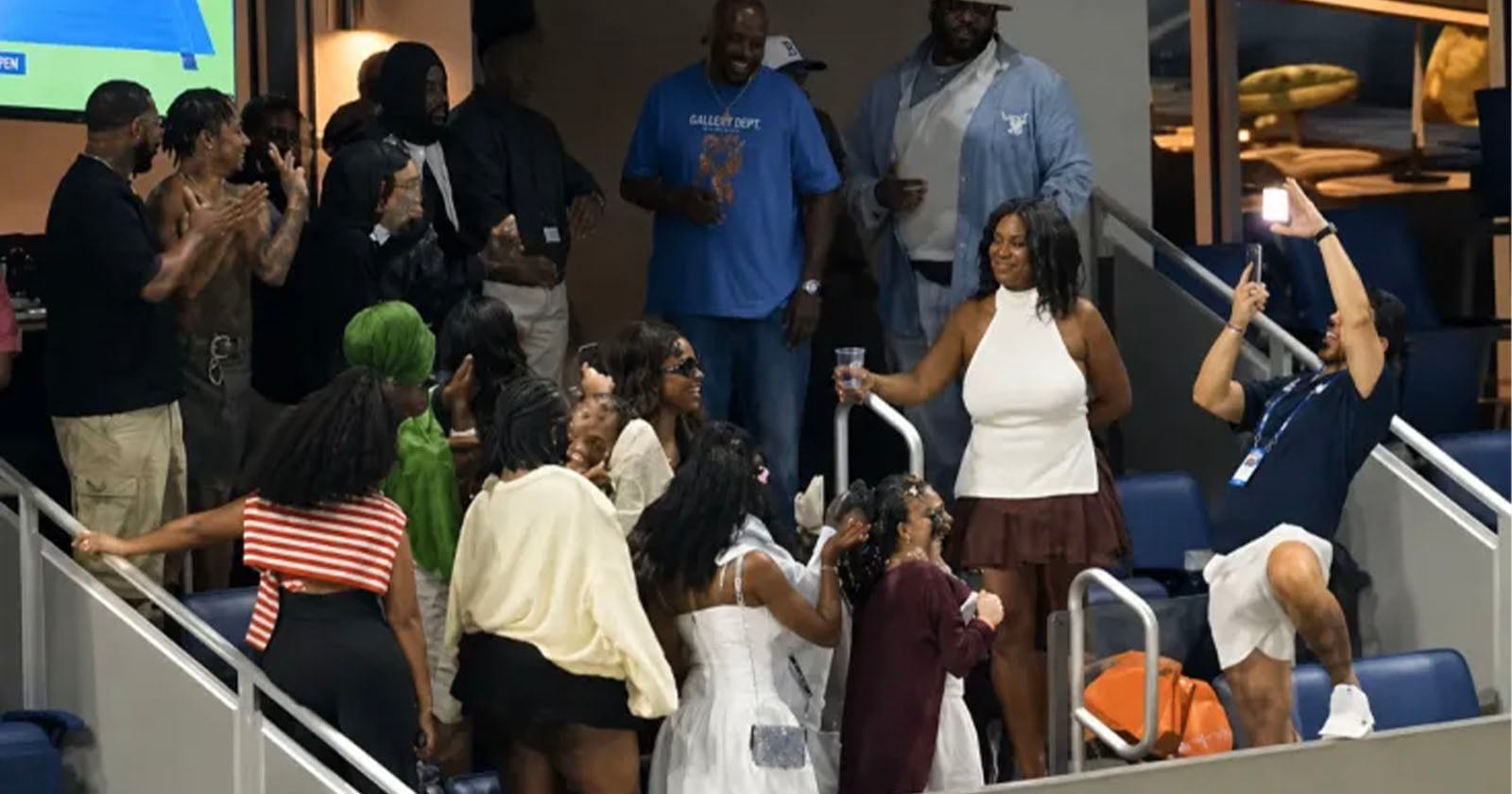
The image of a man hoisting himself onto a chair in a luxury suite, phone aimed at his companion in a white halter top, all while the US Open unfolds below, is a perfect study in misplaced priorities. The umpire's intervention, captured for the world to see, wasn't just about enforcing stadium rules; it was a public correction of our collective obsession with the curated over the real. We've reached a point where the documentation of an experience often supersedes the experience itself, and this moment on court is the most literal example yet of that cultural imbalance. It's a scene that would make for a compelling Leica Lux 2.0: Crafting iPhone Photography with Artistic Vision if only the goal were art. But it wasn't about artistry; it was about performance for an audience of followers who weren't even there.
This incident isn't an isolated case of bad manners; it's a symptom of a broader tension that we, as a publication focused on the intersection of creativity and lifestyle, see constantly. On one hand, we champion the democratization of photography and the rise of the creator economy. We've covered how accessible tools have empowered people to find their voice, much like the Refined and Accessible: The Nikon Z5 IIC—A Full-Frame Camera, Reimagined puts professional-grade capability in more hands. On the other, there's a responsibility that comes with that power. The line between capturing a moment and hijacking it has become dangerously thin. We'd tell any budding creator that the most authentic work doesn't interrupt life; it observes it. The most immersive content isn't the stuff you have to stage on a chair; it's the raw, unfiltered energy of the crowd, the tension in a player's shoulders, the electric silence before a serve.
Our take is simple: this is a matter of respect, not just for the athletes, but for the sanctity of the space you're in. The US Open is a theater of human achievement, and treating it as a backlot for your personal brand shoot is a fundamental misreading of the assignment. For our readers who balance creative ambition with genuine appreciation, the takeaway is clear: your presence should be felt, not your props. Don't let your desire to document overshadow the very real, unscripted beauty happening around you. The question this raises for us is a practical one: if a tennis match is where we draw the line, what other sacred spaces are we willing to let become content farms? The next time you're at a live event, consider whether your phone is a window or a wall.