A Photographer Reignited His Passion By Building a Custom Lens, Then He Founded an Optics Company
Our take
## Our Take: The Return to Craft – Thomas Spicher and the Democratization of Optics
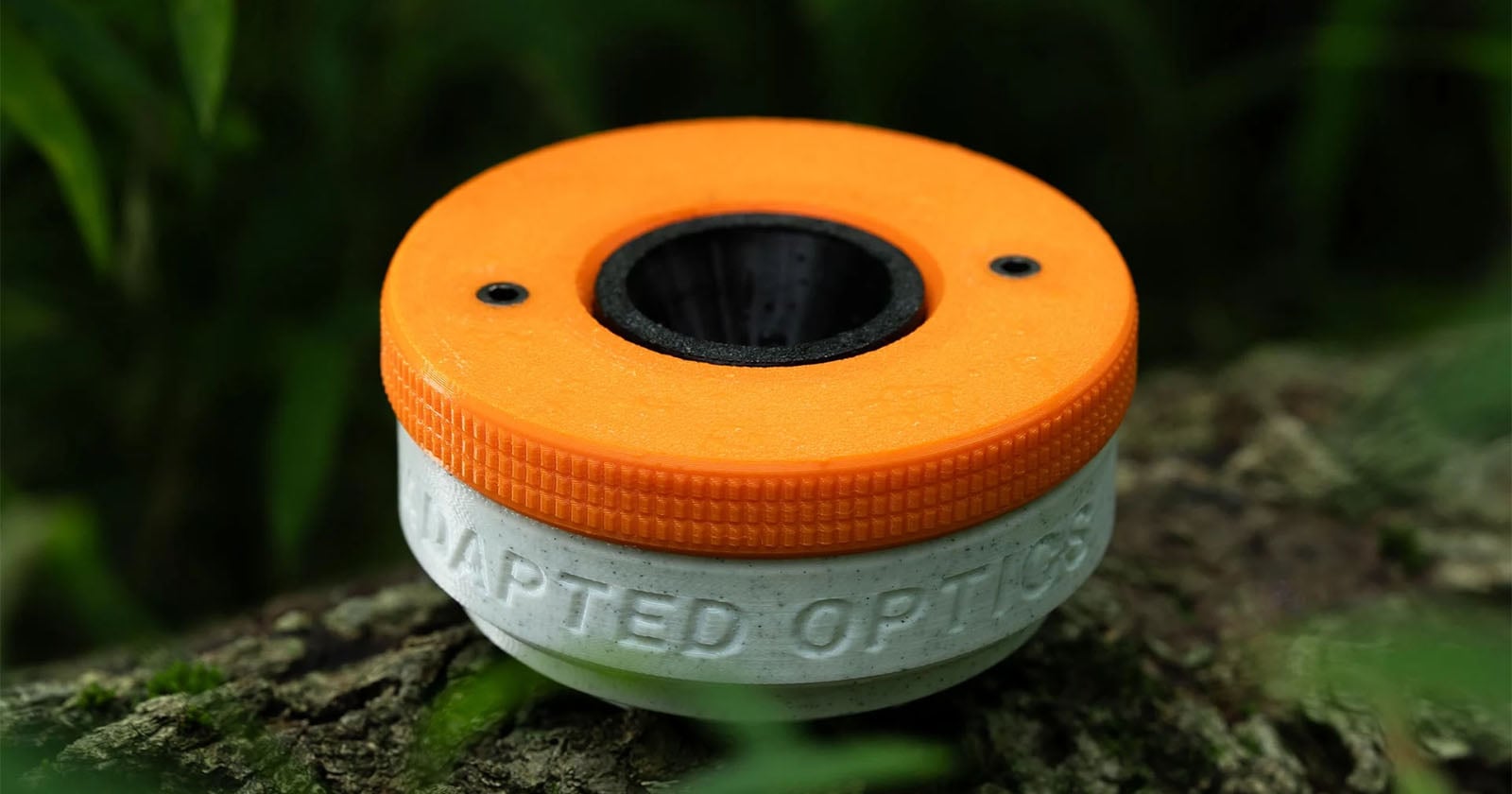
Thomas Spicher’s story, as detailed in PetaPixel, resonates deeply with a current yearning for authenticity and tangible creation within the digital photography landscape. The rise of Adapted Optics and its “Everyday Lens” isn’t just about a new product; it’s a tangible response to the increasingly homogenized and algorithm-driven nature of modern image-making. We've seen this desire for tangible creation manifest in other areas – consider the resurgence of film photography, explored in depth in our earlier piece on Lomography – and Spicher’s approach taps directly into that same sentiment. The beauty of his project lies in its deliberate simplicity: a 3D-printed body, a salvaged disposable camera lens, and a promise to blend the charm of lo-fi aesthetics with the reliability modern photographers demand. It's a fascinating counterpoint to the relentless pursuit of ever-more-complex and expensive optical systems that define much of the professional photography world. The fact that this started as a personal project to rekindle Spicher’s passion underlines the fundamental human need to engage with the creative process on a deeper, more hands-on level.
The significance of Adapted Optics extends beyond its immediate product offering. It represents a democratization of optics – a challenging space traditionally dominated by large corporations with substantial R&D budgets. While companies like Canon and Sony relentlessly push the boundaries of sensor technology and lens design, they often cater to a very specific, high-end market. Spicher’s approach, utilizing accessible technologies like 3D printing and repurposing existing components, opens up possibilities for independent creators and smaller businesses to participate in the optics ecosystem. This echoes a broader trend of maker culture and DIY innovation across various industries, and its application to photography is particularly compelling. It’s not about replacing established brands, but rather offering an alternative – a pathway for photographers who value character, customization, and a closer connection to their tools. This is particularly relevant in an era where concerns about supply chain fragility and the environmental impact of mass-produced goods are increasingly prominent. We've previously explored the ethical considerations of photographic equipment production in this article on sustainable photography, and Spicher’s model offers a refreshing, potentially more responsible alternative.
The technical aspects of the “Everyday Lens” are intriguing, but ultimately secondary to the philosophy behind it. The combination of a disposable camera lens with a 3D-printed body suggests a deliberate embrace of imperfection and a rejection of sterile perfection. The aesthetic qualities inherent in disposable camera lenses – their softness, their unique color rendering, their inherent limitations – have long been prized by photographers seeking a distinctive look. By integrating these qualities into a more robust and controllable system, Spicher is offering a compelling proposition for those who want to inject a touch of analogue charm into their digital workflow. It's a clever leveraging of nostalgia, but one that's grounded in a genuine understanding of photographic principles and a desire to provide photographers with more creative control. The success of this venture will likely hinge on its ability to deliver on the promise of reliability and consistent performance while retaining the inherent character of its core component.
Looking ahead, it will be fascinating to observe how Adapted Optics evolves and whether its model inspires other independent creators to explore similar avenues within the photographic industry. Will we see a rise in modular lens systems built from readily available components? Will 3D printing become a more commonplace tool for lens design and customization? The emergence of Adapted Optics signals a potential shift – a move away from the monolithic dominance of established brands and towards a more diverse, accessible, and creatively driven landscape of photographic optics. The question remains: can this resurgence of craft and customization fundamentally reshape how we think about and interact with the tools of image-making?
Photographer Thomas Spicher has founded a lens company, Adapted Optics, and built what he calls the "Everyday Lens." It features a 3D-printed body and a simple camera lens salvaged from a disposable camera. It promises to combine the character of a disposable film camera with the build quality and control that modern photographers expect.
Read on the original site
Open the publisher's page for the full experience