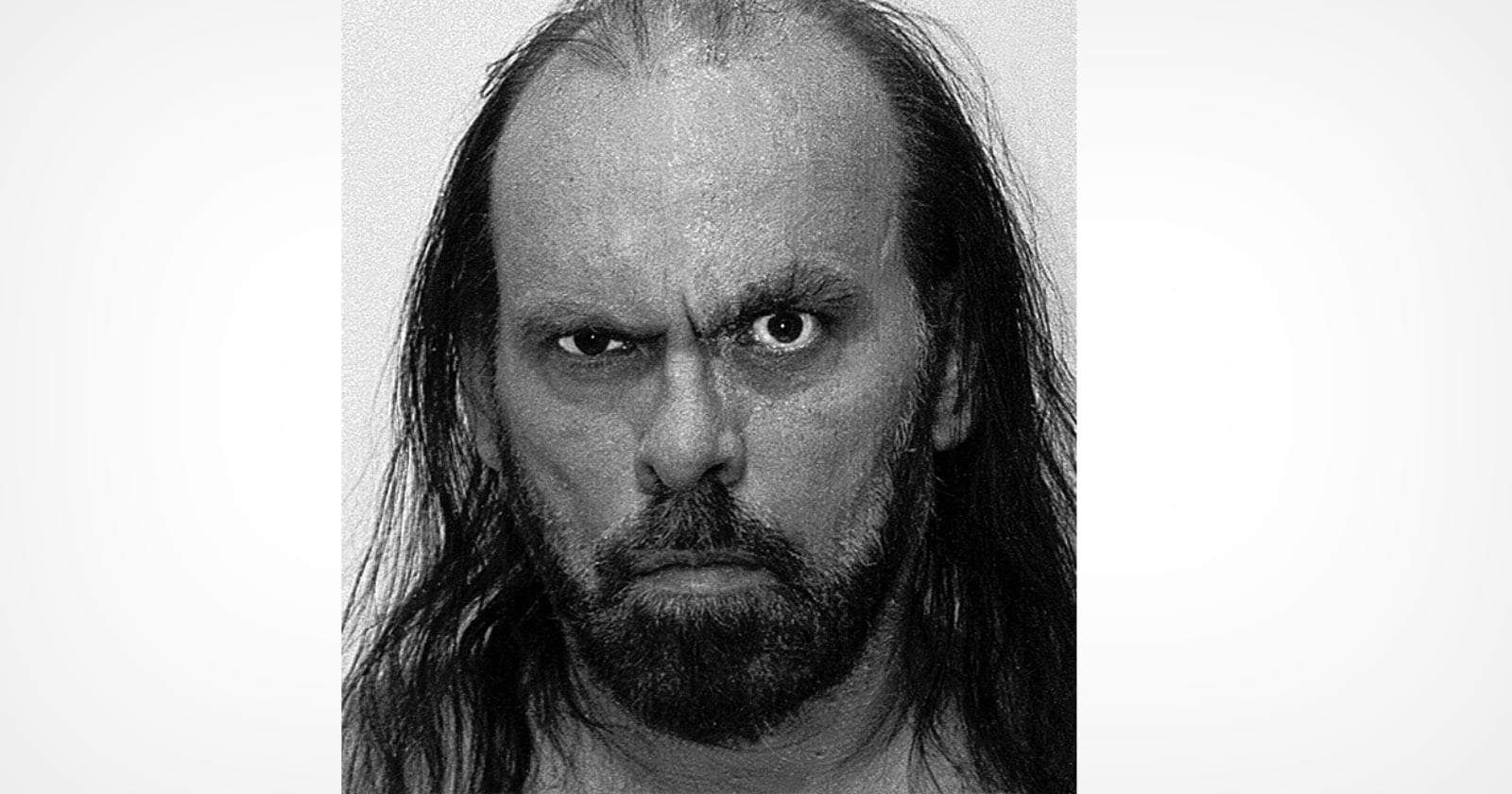
The discovery of over one million photos and videos in the home of a late erotic photographer, now connected to seven missing women, five of whom police believe are dead, is the kind of story that stops you mid-scroll. It is not just a crime story; it is a profound betrayal of the very medium we celebrate. For those of us who see photography as a tool for beauty, documentation, and connection, this archive serves as a chilling reminder that the camera is also a vessel for obsession, control, and predation. The sheer scale of the collection, a million frames of a single life, suggests a compulsion that transcended art and entered a darker, more predatory realm.
This unsettling narrative sits in stark contrast to the other stories we follow, like the photographer sentenced to five years for scamming a family out of $4.6 million to fund a luxury, Swiftie-fueled fantasy, or the refined accessibility of a new full-frame camera like the Nikon Z5 IIC. There, the focus is on the craft, the tools, and the financial pitfalls of a creative life. Here, we are forced to confront the absolute worst-case scenario of what happens when the gaze is weaponized. It is not about the gear; it is about the intent. While we often discuss the technical merits of a lens or the artistic merit of a composition, this case forces a raw, uncomfortable conversation about consent, power, and the ethical responsibility that comes with holding a camera. We want to believe in the inherent goodness of the artist, but this archive suggests a systematic exploitation that existed entirely outside the bounds of that trust.
For our readers, this is not a distant headline. It is a practical warning about the culture of image-making we participate in. We would tell anyone looking at this story to ask hard questions about the work they create and consume. Who is in front of the lens, and are they truly there by choice? Does the power dynamic between photographer and subject ever truly allow for an equal footing, especially in a genre as intimate as erotic photography? The line between capturing a moment and creating a record of a crime can be terrifyingly thin. This is not about moralizing over the human form; it is about recognizing that the camera does not grant a license to disregard humanity. The legacy of this photographer is not in the images, but in the lives that intersected with his and were irrevocably altered.
The investigation is still unfolding, and the full extent of this archive's implications is yet to be revealed. The specific detail to watch is how law enforcement cross-references this visual data with missing persons databases, potentially bringing closure to families who have waited years for answers. This is the concrete point that matters now. As the public, we should not look away, but we should also not become numb to the gravity of it. The real question that lingers is not just what was captured, but what we, as a community of visual storytellers, are willing to tolerate in our midst. The shutter closed on this man's life, but the echoes of his work are only just beginning to be heard.