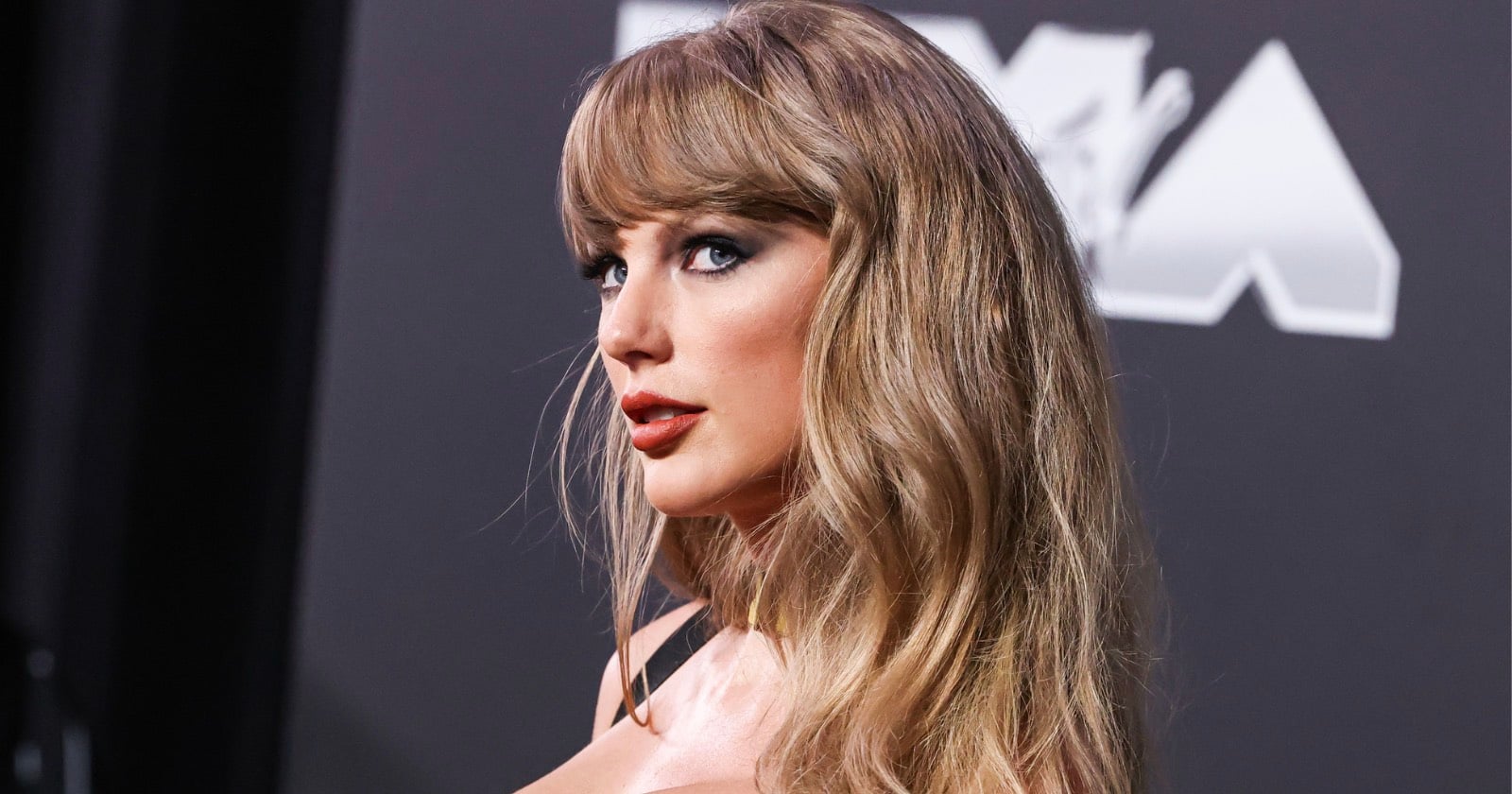
A photographer has been sentenced to five years in federal prison for scamming a family out of $4.6 million, spending $200,000 of that stolen money on Taylor Swift concert tickets. The story reads like a dark fable about the gap between the image we project and the reality we live. It is a sharp contrast to the curated worlds we often celebrate here, the worlds captured by artists like Shin Noguchi, whose street photography finds beauty in the unscripted, or Mathieu Forget, who freezes dreams in time without stealing from anyone to make them real. This photographer did something else entirely: he borrowed against an illusion and left a family holding the bill.
Our take is simple. This is not a story about fandom or about the price of concert tickets. It is a story about the seduction of an aspirational image that has no substance behind it. The photographer likely understood that luxury, access, and exclusivity are currencies in our world. He traded on that understanding, promising something he could not deliver, and then used the proceeds to buy a fantasy for himself. The $200,000 on Taylor Swift tickets is the detail that sticks. It is not just the amount; it is the choice. He did not invest the money or hide it. He spent it on an experience, on proximity to a star, on the kind of moment that looks incredible in a photo. That is the trap. The very things we are drawn to, beauty, rarity, the thrill of the exclusive, can become the bait when they are sold without integrity.
What does this mean for our readers in practical terms? It means we must sharpen our instincts. The world of luxury and lifestyle is filled with people who present a polished surface. Some of them are genuine artists and collaborators; others are building a house of cards. When someone offers you access to something that feels too perfect, too exclusive, too much like a shortcut to a dream, ask the hard questions. Look for the work behind the image. The CEO who departed after posting an AI-edited photo of her family in "Lake America” sweatshirts learned a similar lesson: when the image does not match the truth, the fall is public and severe. Authenticity is not just a value we talk about; it is the only thing that protects you.
We would tell any reader who asked about this: do not let the shine blind you. A curated life is beautiful when it is real. When it is fake, it is just theft dressed in good lighting. The photographer's five-year sentence is the end of his story, but the question it leaves for us is more lasting. How do we stay open to beauty and aspiration without losing our grip on what is real? The answer is not cynicism. It is attention. Look at what people build, not just what they show. The photographer showed tickets to a concert. The family he scammed showed trust. One of those things is priceless. The other is now evidence in a federal case.