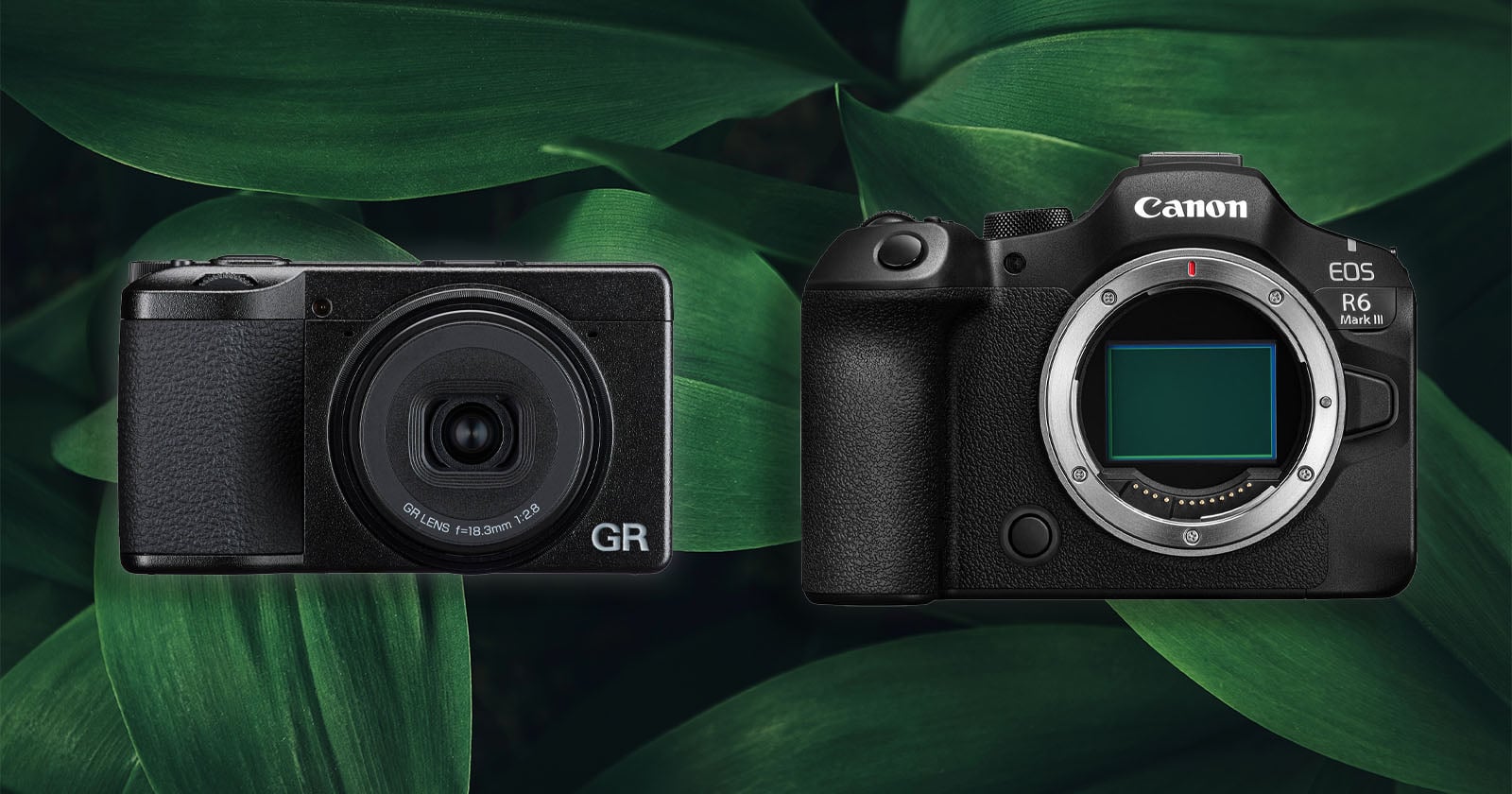
Japan has long held a quiet monopoly on the tools we use to capture light, so when its Ministry of Economy, Trade, and Industry steps up to note a recovery, we should pay attention. It is rare for one nation to hold such sway over a single creative category, save for a few outliers like Leica and Hasselblad. That means the health of the digital camera market is not just a corporate matter; it is a cultural barometer. We see this same spirit of curation in how tools evolve around our practice, from the way Leica Elevates iPhone Photography with Curated LUX Ecosystem & McCurry Filter to the more collaborative, intimate side of the craft found in Collaborate & Create: Boudoir Sessions Offered Across Florida's Coast. The industry's rebound is not merely a statistic; it is a signal that our collective appetite for authentic, tactile image-making is far from fading.
Our take is that this resurgence is less about nostalgia and more about intentionality. For years, the convenience of a smartphone threatened to render dedicated cameras a niche hobby. Yet, METI's report suggests a broader shift, one where creators and enthusiasts are rediscovering the joy of a device built for a singular purpose. We would tell our readers that this is not a call to rush out and buy the latest body, but rather a moment to appreciate the ecosystem. The fact that Japan's government is paying close attention means the industry has a vested interest in innovation, not just incremental upgrades. It means we can expect a continued focus on ergonomics, lens character, and color science, the very elements that separate a photograph from a mere image. This is where the Leica Lux 2.0: Crafting iPhone Photography with Artistic Vision becomes relevant; even as phone cameras borrow from this heritage, the original hardware remains the reference point.
The practical takeaway here is one of reassurance. If you have been hesitating to invest in a dedicated system, worried that the market might contract further, this news suggests stability is returning. We would answer the reader who asks, "Is it worth it?" with a resounding yes, not because the gear makes the artist, but because the tool you choose shapes your engagement with the world. The recovery is not just about sales charts; it is about the reaffirmation of a medium that demands presence. A camera forces you to slow down, to compose, to wait for the light. That is a luxury no phone can replicate, and it is good to know that the stewards of that craft see a viable future.
What we will be watching is how this recovery influences the secondary market and the availability of classic glass. As the industry stabilizes, we hope to see less planned obsolescence and more support for the lenses and bodies that built the craft. The concrete point to watch is whether METI's optimism translates into longer product lifecycles and better software support for existing models. If it does, the next few years could be a golden era for the art form, not because of what is new, but because of what we can finally hold onto. For now, we suggest you keep your camera bag packed and your eyes open; the story is just beginning.