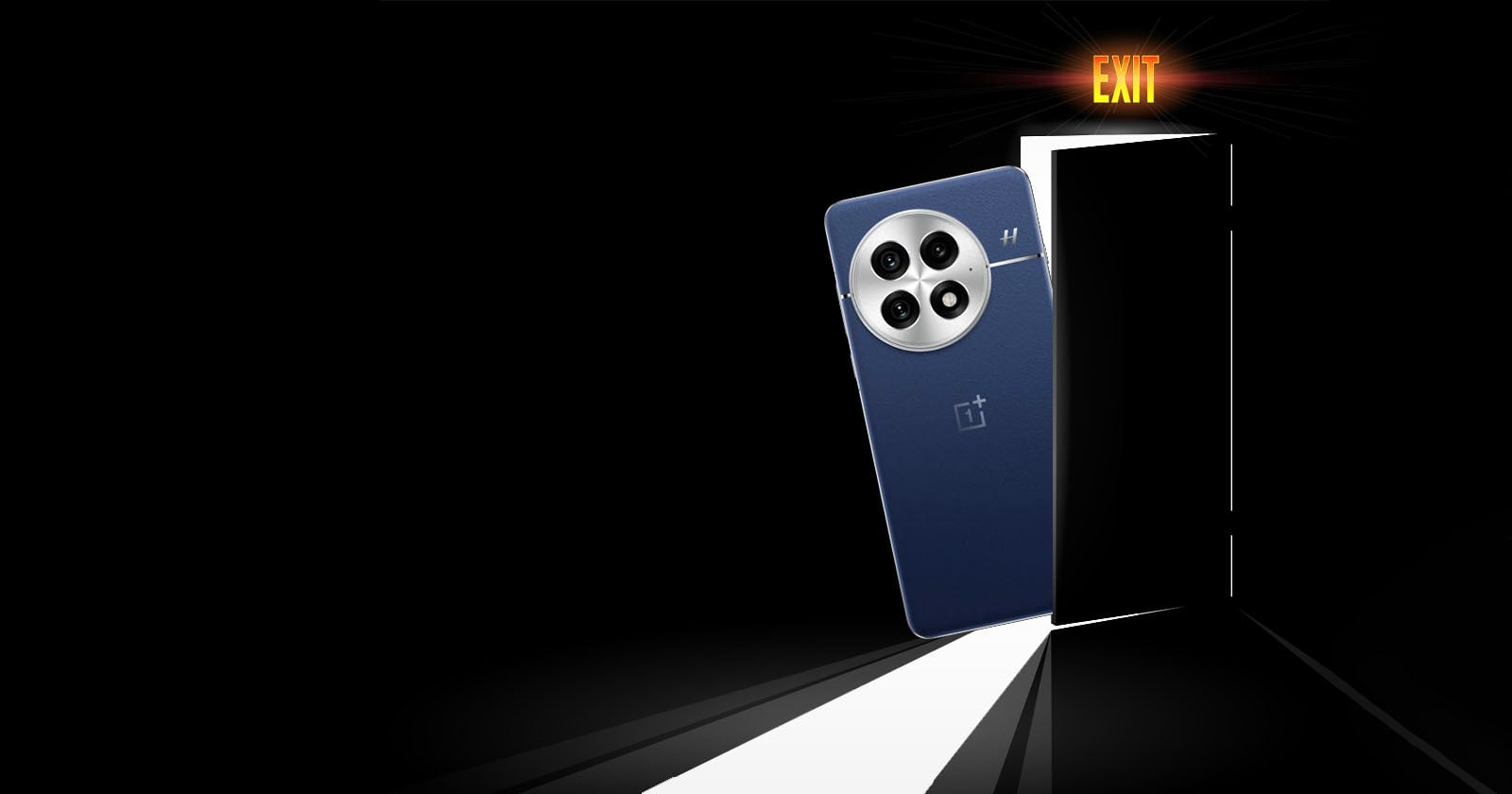
There is a particular kind of quiet that settles over a room when the last guest leaves, and that is the feeling hanging over the smartphone market today. OnePlus has left the party, and while the news might register as a blip for the average consumer, for those of us who pay attention, it is a loss by any measure. This was a brand that carried the perpetual upstart status, the scrappy challenger who refused to accept that a flagship experience had to come with a corporate, sterile sheen. In a North American market that's only getting worse by the year, their exit from North America and Europe is not just a product line disappearing; it is a philosophy walking out the door. We are left with fewer options in a landscape already mired by a lack of choice, and that is a reality we should all sit with for a moment.
For our readers, this is not an abstract business headline. It is a practical shift in what you can buy, hold, and rely on. OnePlus carved out a specific niche by blending high-end specifications with a vibrant, almost artistic approach to hardware, a sensibility that resonated with the creative and health-conscious alike. Their devices were not just tools; they were curated objects that felt like they belonged in a lifestyle magazine spread, not just a spec sheet. When we look at the current market, the remaining players often fall into two camps: the sterile giants who play it safe and the luxury labels that price themselves into a different stratosphere. The middle ground, where authenticity and performance met without pretension, is now a little more barren. If a reader asked us what to do, we would say this: pay attention to the used market, because the devices that remain are going to become even more valuable to those who understand what they are losing. More importantly, understand that your choice is shrinking, and that is a trend that will only accelerate.
This is not nostalgia; it is a warning dressed as an observation. The departure of a brand like OnePlus signals that the barriers to entry in this industry are becoming insurmountable for all but the most massive players. It is a shame because their exit removes a counterweight to the homogeneity that is creeping into our pockets. We lose the option to support a brand that felt like it was in on the joke with us, the enthusiasts. We lose the vibrant energy that comes from a company willing to take a risk on a unique camera sensor or a design that was a little more expressive. The practical takeaway here is stark: the next time you upgrade, you will likely be choosing from a smaller pool of safer bets. We would tell our reader to hold onto what you have, to appreciate the craftsmanship that still exists, and to vote with your wallet for the remaining brands that still show a glimmer of that upstart spirit.
The real question is not whether we will miss OnePlus, but what the final cost of this consolidation will be. We are watching a market that is slowly being stripped of its color, one exit at a time. The specific detail to watch is how the remaining players respond. Will they fill the void with genuine innovation, or will they see this as permission to retreat further into safe, iterative updates? For those of us who see technology as a form of expression, the answer will determine whether the next few years are an exciting evolution or a long, predictable dirge. We are not looking for a hero to save the day; we are just looking for a reason to stay interested. And with OnePlus gone, the burden is now on everyone else to prove that they are worthy of the space left behind.