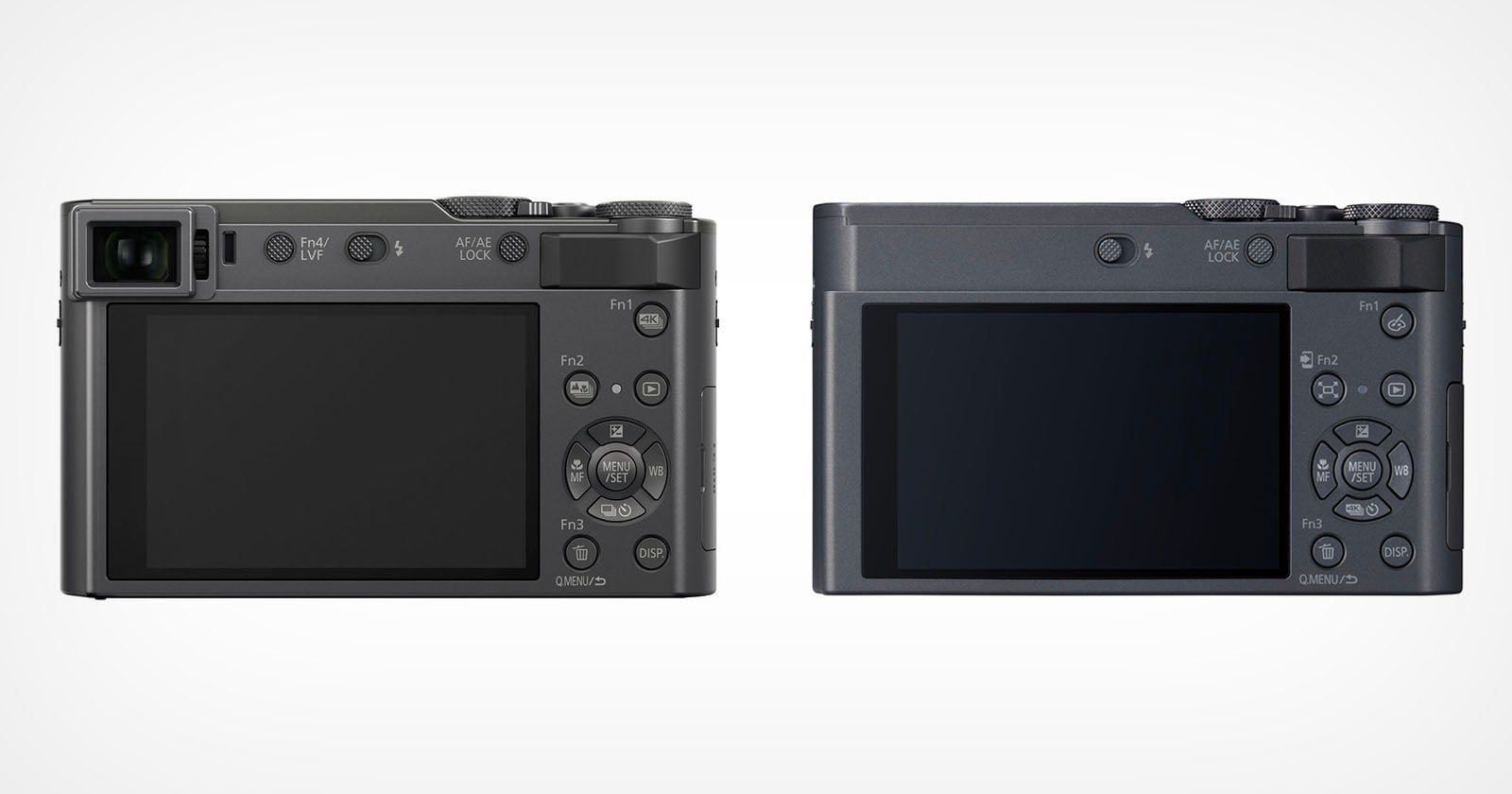
Our Take: A Curious Shift in the Compact Camera Landscape
Panasonic's recent unveiling of the Lumix ZS300, a successor to its well-received compact camera, brings with it a decision that sparks considerable contemplation: the removal of the electronic viewfinder. This move, replacing a functional component with what appears to be mere plastic, prompts us to consider the evolving landscape of photographic tools and the delicate balance between innovation and user experience. While the company may offer pragmatic justifications for this design choice, the absence of a viewfinder presents a departure from a feature many enthusiasts and professionals alike have come to value for its ability to offer a stable, glare-free shooting experience, particularly in bright conditions. It’s a detail that, while seemingly small, can profoundly impact the immersive and authentic connection a photographer feels with their subject and the creative process.
This decision invites a deeper conversation about what truly elevates a photographic device from merely functional to an instrument that inspires. The Lumix ZS300, by all accounts, retains many of the sophisticated capabilities that have made its predecessors attractive. Yet, the removal of the viewfinder feels like a step away from a more artistic and elevated approach to photography. For those who engage with the world through a lens, seeking to capture fleeting moments with precision and intention, the viewfinder is not just an accessory but an integral part of the creative workflow. It's a tactile connection, a way to frame a vision with a level of focus that can be challenging to achieve solely through an LCD screen, especially when bathed in the vibrant energy of an outdoor shoot or the nuanced light of a studio.
The aspirational nature of photography often lies in the pursuit of capturing moments with clarity and artistic flair. The ZS300’s predecessor offered a more complete package in this regard, providing a tool that fostered this pursuit. While we appreciate the pursuit of contemporary design and the potential for streamlining, the elimination of the viewfinder feels less like a curated enhancement and more like a concession that may alienate a segment of the audience that values a more grounded, immersive, and ultimately, authentic shooting experience. It begs the question: in our quest for sleeker designs, are we inadvertently diminishing the very elements that empower creators to translate their vibrant visions into tangible art?