A Street Photography Master Talks About Light and Portraiture
Our take
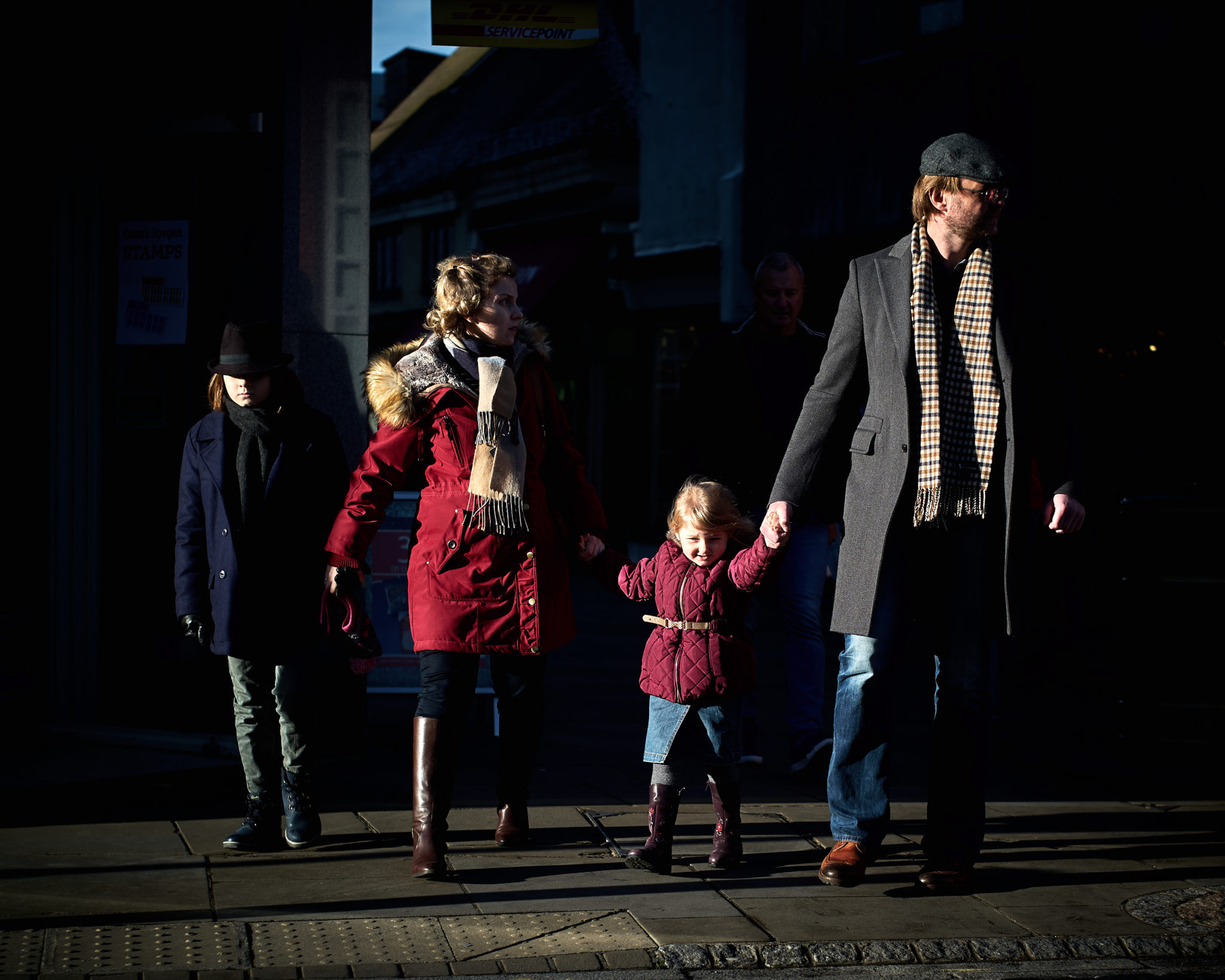
The evolution from candid street photography to deliberate portraiture is a fascinating, and remarkably common, journey for visual storytellers. It speaks to a deeper desire—a yearning to connect, to understand, and to capture not just a fleeting moment, but the essence of a person. The Phoblographer’s unearthed interview with Greg Turner highlights this beautifully, demonstrating how a photographer’s technical skills, honed through the immediacy of street scenes, can be thoughtfully applied to a more intimate form of portraiture. It’s a progression many of our readers, particularly those drawn to the raw authenticity of street photography, will likely identify with. We've seen this desire to explore new creative avenues before, like the playful ingenuity showcased in This $55 Toy Camera Looks Like a Cassette Tape for Some Reason, demonstrating the constant search for novel perspectives. Similarly, the challenges of capturing movement and fleeting moments are echoed in the dedication required for Bird Photography Tips: How to Get the Best Shots During Fall Migration, where patience and keen observation are paramount.
Turner's perspective, as relayed in the Phoblographer’s piece, underscores a vital point: the anxieties that initially drive a photographer toward candid shots—fear of interaction, the desire for unobtrusiveness—can eventually give way to a genuine wish to engage with subjects. This shift isn’t just about technical refinement; it’s about emotional growth and a deepened understanding of human connection. The leap from observing life unfold to actively participating in it, even briefly, requires a certain level of vulnerability and trust. Mastering light, as Turner discusses, becomes more than just a technical consideration; it’s a tool for shaping mood and revealing character. It's about creating an atmosphere that encourages authenticity, drawing out the subject's inner world. The article implicitly reminds us that portraiture, at its best, is a collaborative process—a dance between photographer and subject.
The broader significance of this evolution extends beyond individual photographers. It reflects a larger trend within visual culture—a move away from detached observation toward a more empathetic and participatory approach. We're seeing this reflected in other art forms as well, a desire to build bridges rather than simply document from a distance. Even the ongoing narrative surrounding companies like GoPro, as explored in GoPro’s Founder Promises It Isn’t Done Making Consumer Cameras, speaks to a need for innovation and a desire to connect with audiences in meaningful ways, albeit through a different lens. This shift in perspective is particularly relevant in an age of increasingly pervasive surveillance and the constant documentation of our lives. The intentionality of portraiture—the deliberate act of framing, lighting, and engaging with a subject—feels like a powerful counterpoint to the often-unconscious capture of images that saturate our digital landscape.
Ultimately, Turner's insights offer a valuable lesson for any photographer seeking to expand their creative horizons. It’s a reminder that the skills and sensibilities honed in one genre can be powerfully adapted to another, and that the most compelling images often arise from a willingness to connect with the world—and the people within it—on a deeper level. As technology continues to blur the lines between candid and staged photography, and AI tools increasingly automate image creation, the human element—the ability to forge genuine connections and capture authentic emotions—will become even more critical. Will the rise of AI-generated portraits diminish the value of human-captured portraits, or will it instead amplify the demand for images that reflect a uniquely human perspective and emotional depth?
Read on the original site
Open the publisher's page for the full experience