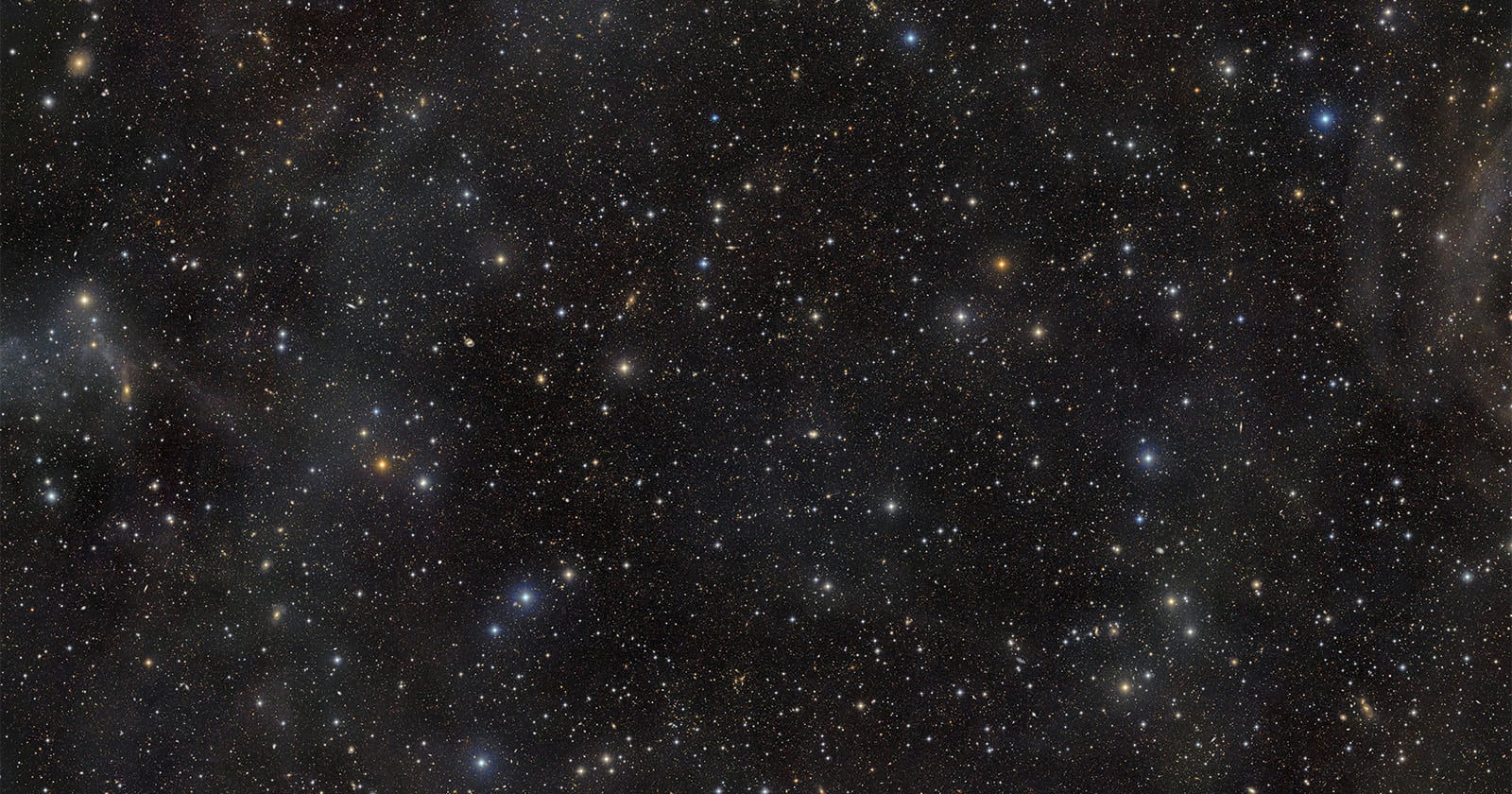
There are images that merely document, and then there are images that ask you to lean closer, to sit with the vastness they hold. The new release from the NSF-DOE Vera C. Rubin Observatory, a 3200-megapixel frame from the LSST camera, is firmly in the latter camp. It captures hundreds of thousands of distant galaxies across a patch of sky we have already studied intensely, yet the sheer scale of the detail rewrites the familiar. This is not a photograph of a place; it is a glimpse into the architecture of everything. In a cultural moment where we are constantly debating the authenticity of what we see, from AI Alters Art: Photography Competition Sparks Debate and Rule Changes to the rise of computational imaging, it is grounding to encounter a raw, unvarnished look at the cosmos that asks for nothing but your attention.
We tend to think of artistic vision as something that belongs to a photographer with a camera or a designer with a sketchpad. But consider the craft on display here: a sensor the size of a car, built to sweep the sky every few nights, collecting light from objects that left their starting point before Earth existed. It is a different kind of artistry, one of engineering and patience, yet it delivers the same jolt of wonder we get from a perfectly composed frame. This is where the Rubin Observatory sits in our cultural landscape, not as a rival to the lens but as a collaborator. Just as Leica Lux 2.0: Crafting iPhone Photography with Artistic Vision seeks to put creative control back into the hands of the everyday photographer, Rubin is handing astronomers a tool that turns the entire night sky into an open, dynamic canvas. The mission is not to capture one perfect shot, but to record change itself, a living archive of supernovae, asteroid paths, and the slow dance of galactic collisions.
Our honest take is that this image is a quiet challenge to the way we consume visual media. We are used to curated feeds and stylized realities, from the runways of Andrew Kwon's SS27 Collection: A Vibrant Vision from NYFW to the filtered glow of our social profiles. Here, there is no retouching, no angle to flatter, no human subject to pose. There is only the stark, beautiful truth of a universe that does not care about trends. For our readers who are drawn to the intersection of beauty and purpose, this is a reminder that the most profound artistry often lies in what we choose to observe. We would tell anyone who asks that this is not about the megapixels, and it is not even entirely about the astronomy. It is about the discipline of looking. In a world of constant digital noise, the Rubin Observatory is not just taking pictures; it is teaching us to be present for the show.
The practical takeaway is this: watch for the first major transient discoveries that come out of this camera. The image is a promise of what is to come, a preview of a sky that will never look the same twice. The specific consequence we are tracking is the upcoming public data releases, which will turn every one of those hundreds of thousands of galaxies into a data point available to anyone with a curious mind and an internet connection. That is the real masterpiece here, not a single frame, but the open invitation to witness the universe as it evolves, in real time, with us.