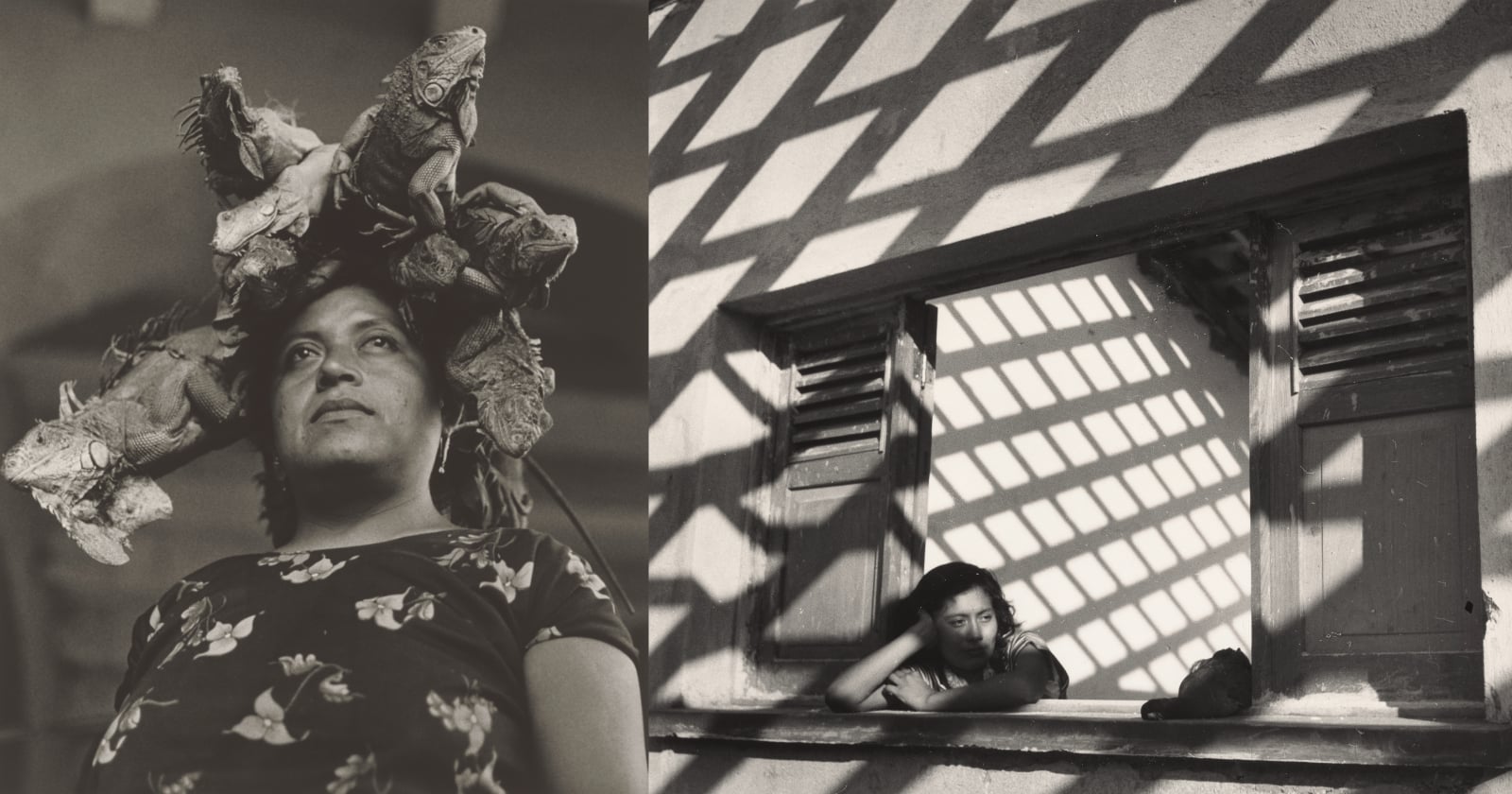
The Getty's new exhibition on 20th-century Mexican photography is not a simple survey of great images. It is an argument, presented in prints and archival materials, that the art form was never a solitary pursuit. The curators have mapped a dense web of friendships, rivalries, and cross-border exchanges, showing how a shared visual language emerged from a network of artists, writers, and thinkers. This is the kind of show that rewards patience, and it reminds us that the most compelling photographs are often the result of conversation, not isolation. It is a quiet correction to the myth of the lone genius, and we are here for it.
This focus on creative interconnection feels particularly relevant when we consider how much of contemporary photography is shaped by digital communities. The Finding Joy on the Streets, One Frame After Fashion piece we ran earlier this year touched on a similar energy, albeit on a smaller scale, where street shooters feed off each other's work in real time. There is a lineage there, even if the tools have changed. And when we look at how a festival like the Experience Photography's Artistry: The 5 Boro Foto Fest Returns brings diverse practitioners into a single space, we see the same principle in action: the art thrives when it is shared. The Mexican modernists understood this intuitively, building a movement that was as much about salons and magazines as it was about darkrooms.
For our readers, the practical takeaway is not to simply visit the exhibition, though you should. It is to reconsider your own process. How many of your best frames were born from a conversation, a critique, or even a friendly argument? The show is a reminder that your artistic community is not a luxury; it is a necessity. We would tell anyone who asks that the most valuable thing you can do this month is to find a peer, look at their work with fresh eyes, and let their perspective push you somewhere unexpected. That is how a visual language evolves, not in isolation but in the messy, vibrant exchange between people.
The exhibition's quiet power lies in its insistence that the personal is artistic. A portrait of a woman with iguanas on her head, or a subject gazing out a window, is never just a document. It is a node in a network of influences that stretches across borders and decades. The open question we are left with is how we, today, are curating our own networks. Are we building communities that challenge us, or merely ones that confirm what we already know? Watch for the artists who are not just showing their work, but who are actively engaging with the work of others. That is where the next legacy will be built.