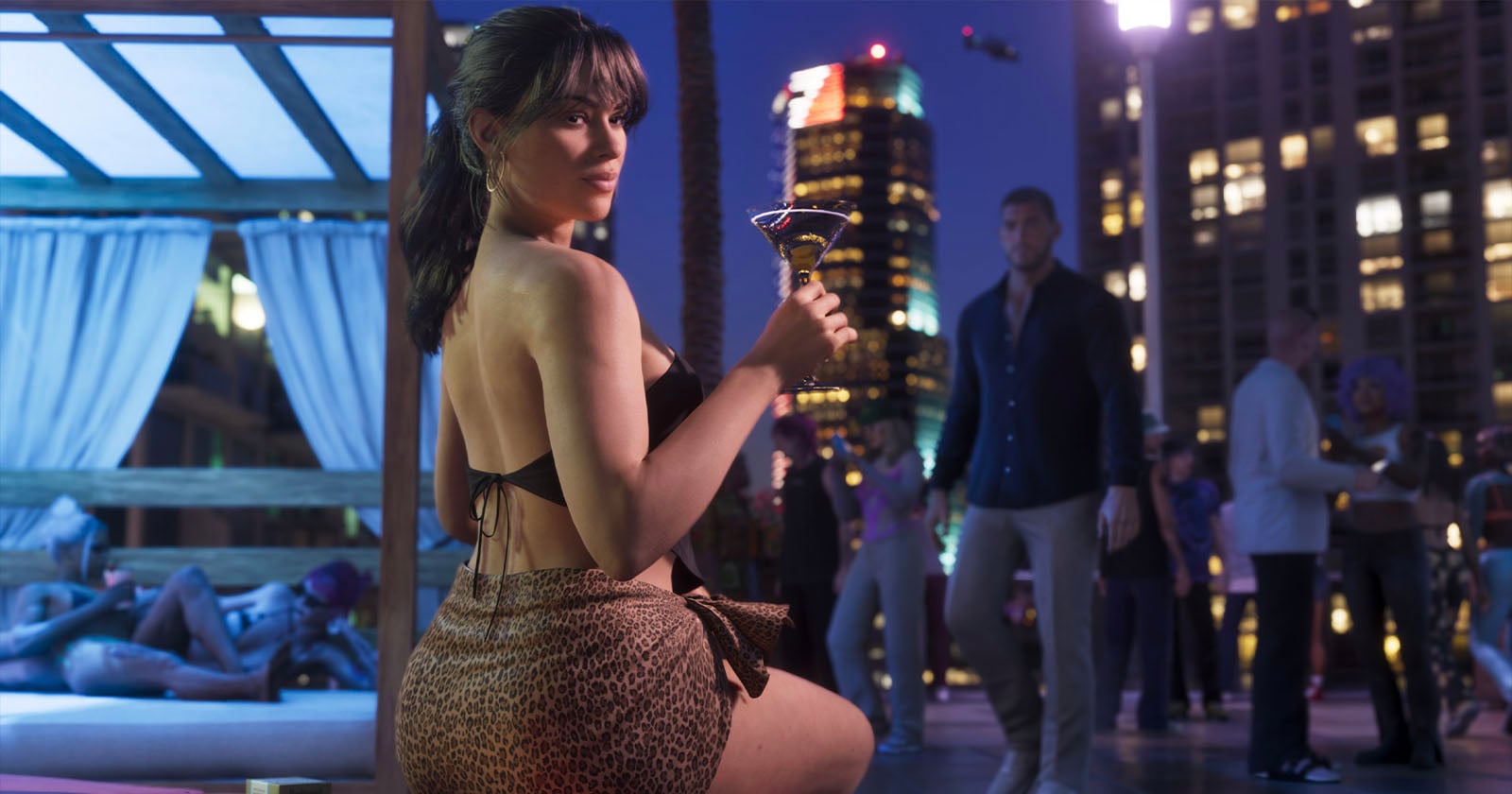
A thirty-day ban from PlayStation Network's social features for sharing a photograph taken inside *Grand Theft Auto VI* is not a moderation error, it is a symptom of a system that has lost sight of what it is policing. The player in question captured a virtual scene, treated it as an artistic act, and was punished for it. That should concern anyone who believes that digital spaces are now legitimate venues for creative expression.
We spend our days celebrating the craft of image-making. Our recent coverage of the Monochrome Mastery: The 2026 Black and White Photo Award Winners reminds us that photographers push boundaries by finding beauty in the unexpected. A screenshot from a game world is no less a composition than a street photograph or a studio portrait, it involves framing, lighting, timing, and intent. When a platform punishes that act without context, it treats the player's eye as indistinguishable from a terms-of-service violation. That is a failure of curation, not a triumph of enforcement.
The practical consequence for our readers is immediate: if you create within virtual environments, your work exists at the mercy of automated systems that cannot tell art from abuse. We are living in an era where 144 zettabytes of imagery: our visual world, curated and captured already exists, and the line between "photograph" and "in-game capture" has blurred to the point of irrelevance. A camera is a camera, whether it lives in your hands or in a character's hands. The platforms that host our social lives have not caught up to this reality, and until they do, the most authentic creators among us will be the ones most likely to be silenced.
What makes this suspension particularly troubling is the absence of nuance. PlayStation Network did not issue a warning or a content review, it went straight to a thirty-day lockout from communication features. That is a heavy-handed response to an act that, in any other context, would be celebrated as a personal artistic gesture. The player's photograph did not contain hate speech, harassment, or anything remotely harmful. It contained a moment. And that moment was treated as a threat.
The specific detail to watch now is whether this suspension is upheld on appeal, and whether the platform will ever clarify what rule a composed in-game photograph actually breaks. Until that clarity arrives, every player who treats a virtual world as a canvas should know: their work may be more vulnerable than they realize. Authenticity has always carried a risk, but it should not carry a ban.