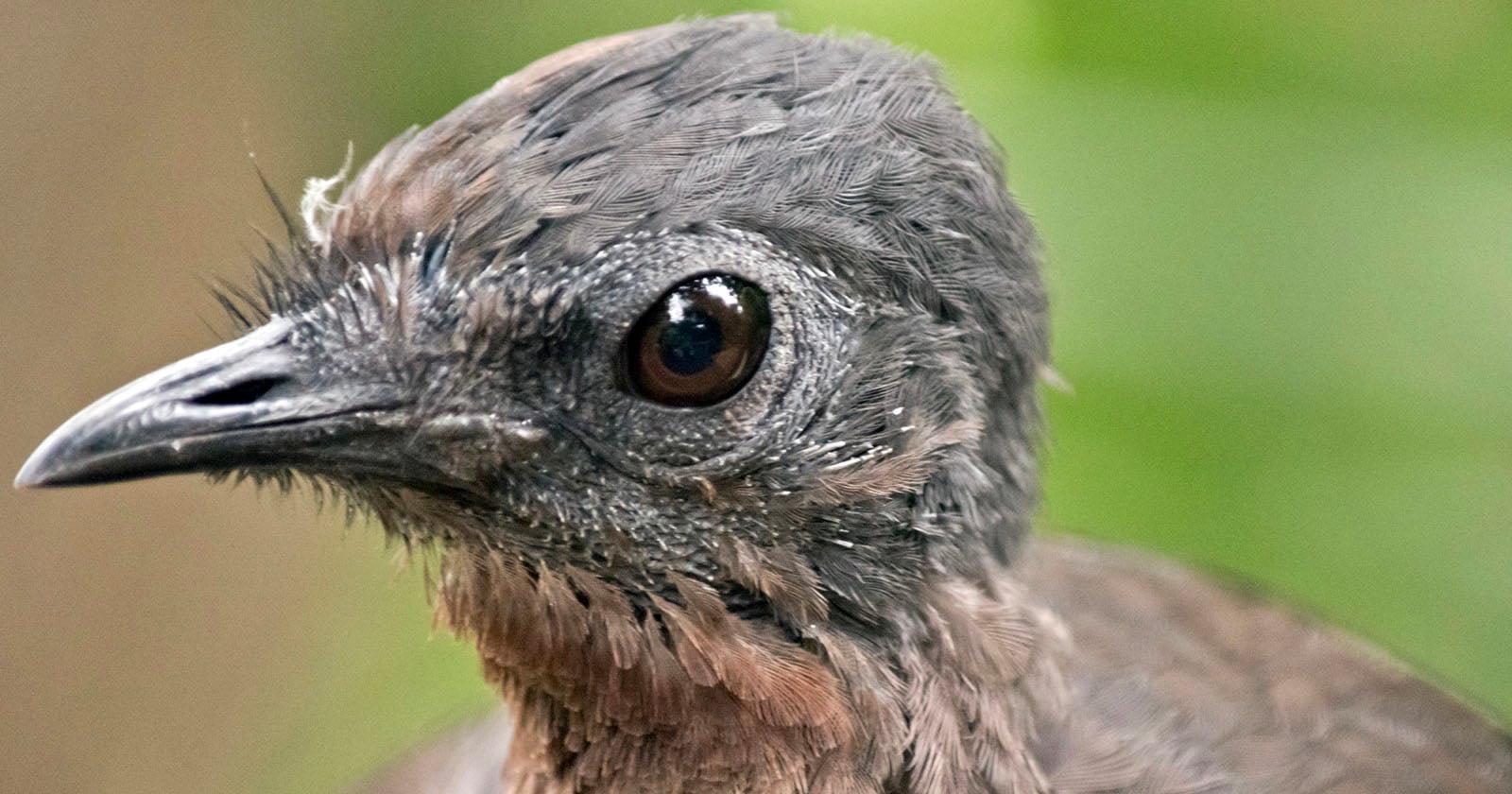
There is a particular magic in the moment art imitates life so precisely that it circles back into something purely delightful. A visitor to Adelaide Zoo heard the unmistakable click and whir of an instant camera, turned to find the photographer, and instead locked eyes with a superb lyrebird. The bird had not just made a sound; it had perfectly mimicked the mechanical symphony of a Polaroid, a feat that feels less like an accident and more like a quiet performance. It is a reminder that the natural world is not a passive subject for our lenses, but an active participant in a conversation we are only beginning to understand. We often talk about capturing wildlife, but moments like this suggest the wildlife might be capturing us, or at least, our gadgets.
This little feathered mimic sits in a fascinating contrast to the stories we usually chase. We spend considerable time reviewing the technical precision of a Refined and Accessible: The Nikon Z5 IIC—A Full-Frame Camera, Reimagined, or worrying over the production delays of the latest gear. We get lost in the pixels, the dynamic range, and the autofocus points. But this bird is a pure, unedited lesson in the essence of photography: observation. It did not need a sensor to process the image or a shutter to freeze time; it processed the world through its own biology and reproduced a sound that, for us, is tied to a specific moment of memory. It is a stark, joyful counterpoint to our obsession with gear, reminding us that the most important instrument is the mind that notices. The lyrebird is not a camera, but it is a master of the medium of imitation.
The practical takeaway for our readers, who we know value both form and function, is not to rush out and try to photograph a lyrebird, though that is a worthy pursuit. Instead, it is to consider the authenticity of the moment versus the authenticity of the recording. We are currently surrounded by a cacophony of visual noise, from the stark realities documented in A Quiet Count: South Africa's Cheetah Population Reveals a Stark Reality to the curated feeds we scroll through daily. The cheetah survey is a serious, data-driven reminder of what is at stake, while this bird is a whimsical reminder of why we care. Both stories are about observation, but one is a count of loss and the other is a celebration of unexpected life. The lyrebird's mimicry is not a distortion; it is a reinterpretation, a wild creature making the familiar strange again.
What we would tell a reader who asks about this is simple: let it recalibrate your expectations. Do not just look for the perfect light or the sharpest focus; listen for the unexpected sounds, the small anomalies, the moments that feel out of place. That is where the real story often lives. The bird did not just imitate a camera; it imitated a human action, a moment of intent. It bridged the gap between our world and its own with a single, precise sound. The question it leaves us with is a beautiful one: in a world of manufactured moments, how often do we allow ourselves to be the one who is surprised? The answer, for that visitor, was a single, perfect click.