Adorable Photos of the First New Cat Species Discovered in Over a Century
Our take
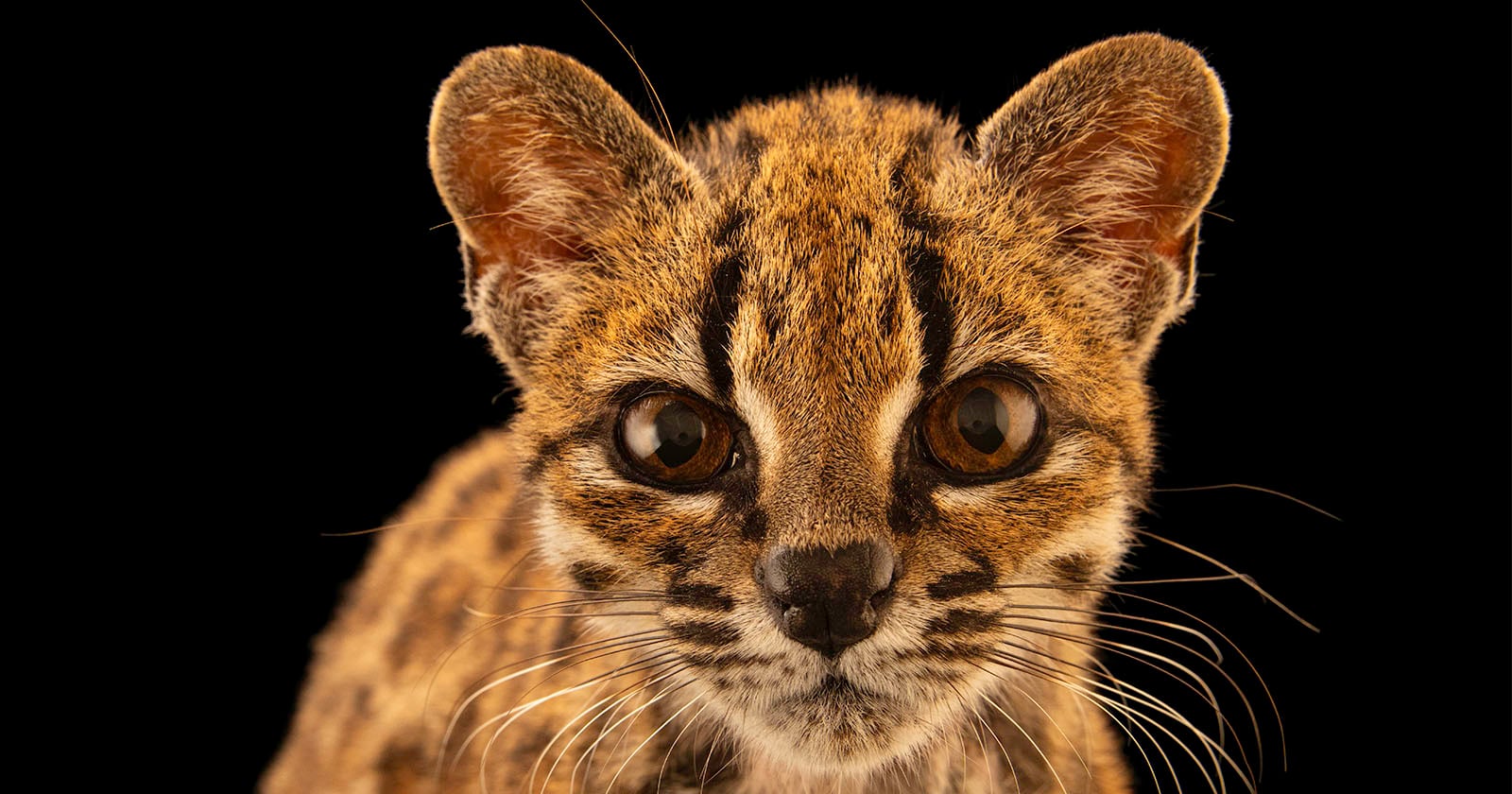
The unveiling of *Leopardus tilcayo*, a newly identified cat species hailing from the Bolivian Yungas, marks a truly remarkable moment in the world of biological discovery—and one that resonates deeply with our audience’s appreciation for both the natural world and the meticulous artistry of scientific exploration. It’s been over a century since a living cat species has received formal recognition, a testament to how thoroughly we thought we understood our planet's biodiversity. This isn’t merely about adding another name to a list; it’s a poignant reminder that even in the 21st century, with all our technological advancements, the Earth continues to yield surprising secrets. The decade-long journey of Paola Nogales-Ascarrunz, from a cryptic phone call about a "weird cat" to the culmination of rigorous scientific analysis, exemplifies the dedication and perseverance required in the pursuit of knowledge. For those captivated by the intricate details of wildlife conservation, we recently explored The Urgent Need for Wildlife Corridors, highlighting the importance of interconnected habitats—a factor that will undoubtedly influence the future of *Leopardus tilcayo*.
The significance of this discovery extends beyond the sheer novelty of a new species. It underscores the critical need for continued exploration and research, particularly in regions like the Bolivian Yungas, which are often overlooked despite their potential for harboring undiscovered biodiversity. The Yungas, a cloud forest ecosystem, is known for its rich and complex biodiversity, yet faces increasing threats from deforestation and climate change. Identifying *Leopardus tilcayo* provides a compelling argument for increased conservation efforts in this vulnerable region, emphasizing the potential for other unknown species to exist, awaiting discovery. Furthermore, the genetic analysis that confirmed the species' distinctiveness offers invaluable data for understanding feline evolution and the intricate relationships within the cat family. The process itself—comparing the "weird cat" to known species, analyzing its morphology, and ultimately confirming its genetic uniqueness—is a captivating narrative of scientific inquiry, one that mirrors the careful curation and detail-oriented approach we admire in artistic pursuits. We recently published an article on The Science of Species Identification, detailing the rigorous methodologies used to classify life on Earth—a process that feels particularly relevant in light of this news.
Beyond the scientific community, the discovery of *Leopardus tilcayo* holds a broader cultural appeal. The captivating images of this small, spotted feline—with its large, expressive eyes—evoke a sense of wonder and inspire a renewed appreciation for the beauty and fragility of the natural world. It taps into our innate fascination with cats, a creature revered across cultures for its grace, independence, and enigmatic charm. This finding presents a unique opportunity to engage the public in conservation efforts and promote a deeper understanding of the importance of protecting biodiversity hotspots. The visual aspect, showcased in the article’s stunning photography, perfectly aligns with our brand’s aesthetic—a harmonious blend of natural beauty and scientific discovery. Consider, too, the parallels between the careful observation required by biologists and the discerning eye of an artist; both disciplines demand a keen awareness of detail and an appreciation for the subtle nuances of form and function. For a deeper dive into the interplay of art and science, explore our piece on Biomimicry and Design.
The formal recognition of *Leopardus tilcayo* is a triumph for scientific exploration, a beacon for conservation efforts, and a source of inspiration for anyone who appreciates the wonders of the natural world. However, the discovery also raises a crucial question: how many other undocumented species remain hidden within Earth’s unexplored corners, particularly in regions facing rapid environmental change? As human activity continues to reshape our planet, will we be able to identify and protect these hidden treasures before they disappear, or will *Leopardus tilcayo* become a poignant symbol of what we’ve lost before we even knew it existed?
10 years ago, National Geographic Explorer and biologist Paola Nogales-Ascarrunz was working in Bolivia when she got a call from a local wildlife sanctuary that had received "a weird cat." Today, that "weird cat" has been officially identified as a new species, Leopardus tilcayo. This is the first time in over a century that scientists have formally named and described a new living cat species.
Read on the original site
Open the publisher's page for the full experience