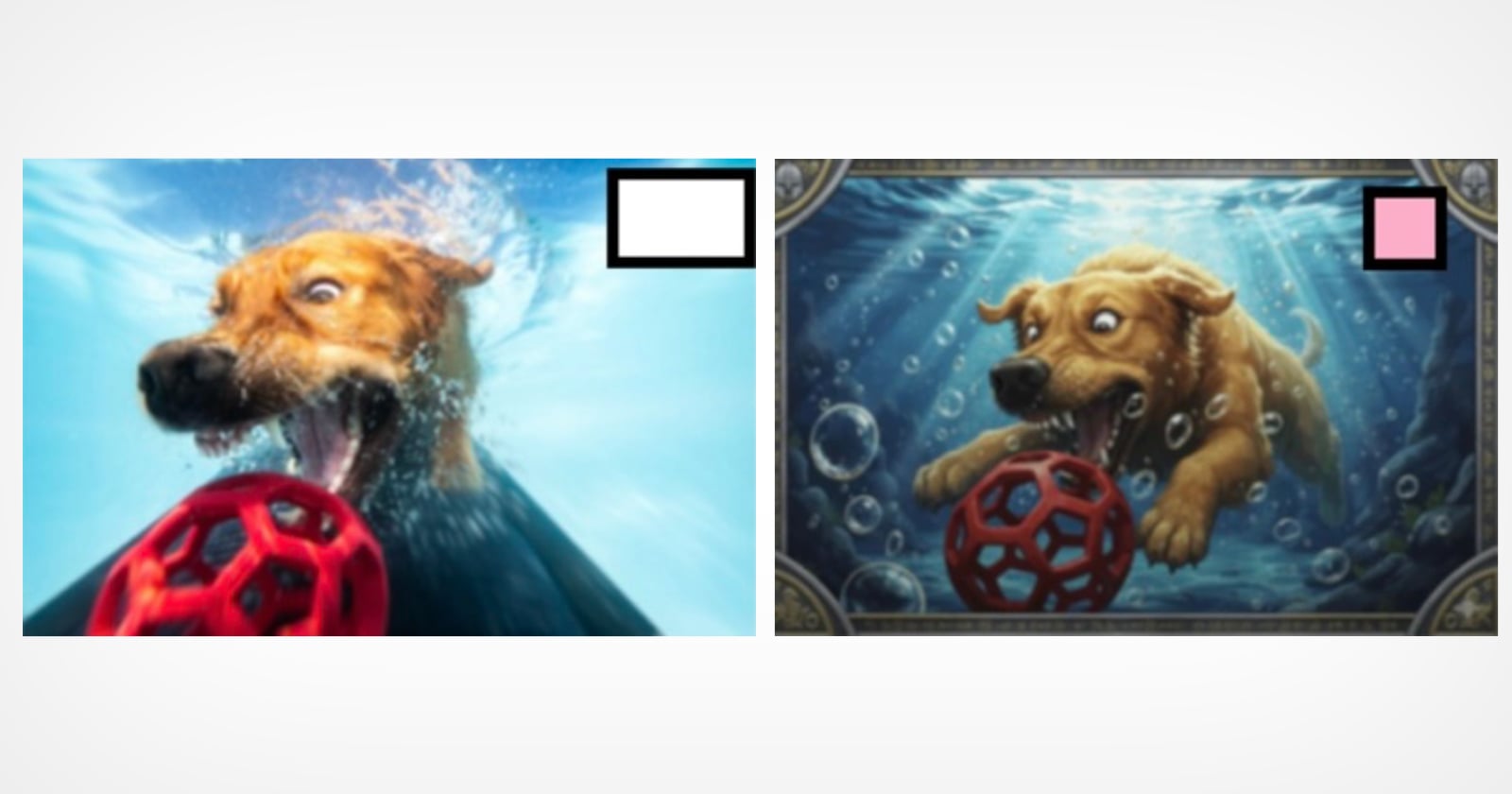
The ruling landed quietly, but it sent a ripple through the creative community. A photographer who built a career on underwater dog portraits lost a copyright case against an AI-generated comic-style image derived from one of her own photos. The court decided the transformation was enough to avoid infringement. On the surface, that sounds like a win for the machines. But if you look closer, it is a mirror held up to how we define authorship in an era where anyone can prompt their way to a derivative.
We get it. The instinct is to feel protective of the original artist. Her work is specific, technical, and full of life. Capturing a dog mid-paddle, ears swept back, chasing a red ball into a cerulean void, that is not luck. It is timing, patience, and an eye for composition. So when a model turns that photograph into a stylized comic panel, it feels like a theft of soul, not just pixels. But the court disagreed, and here is the honest take: they might be legally right, even if it stings. Copyright law has always protected specific expression, not ideas or styles. A comic rendering that changes the palette, linework, and texture is, in the eyes of the current framework, a new work. That does not make it ethical. It just makes it legal.
For our readers, this is not an abstract debate. If you are a fitness instructor posting a moody gym selfie, a makeup artist showcasing a bold look, or a content creator curating a luxury travel feed, this case is a practical warning. Your images are training data. Your style can be mimicked. Your authentic voice can be flattened into a thousand derivative variations. The takeaway is not to stop creating, but to be deliberate about your digital footprint. Watermark your work, but also document your process. Show the behind-the-scenes, the failed shots, the physical effort. Because if the law will not protect the nuance of your craft, your audience can at least value the human story behind the frame. We would tell you to keep shooting, keep styling, keep writing. But do it with your eyes open.
The open question is not whether this photographer loses her case, but what happens when a model is trained on a living artist's entire body of work, not just a single photo. Watch for the next ruling, the one that asks whether a database of your style is itself a derivative work. That is the detail to track. Because today it is a dog chasing a ball. Tomorrow, it might be your signature lighting, your curated color grade, your exact way of capturing a dancer mid-leap. The court drew a line in the sand, but the tide is still rising.