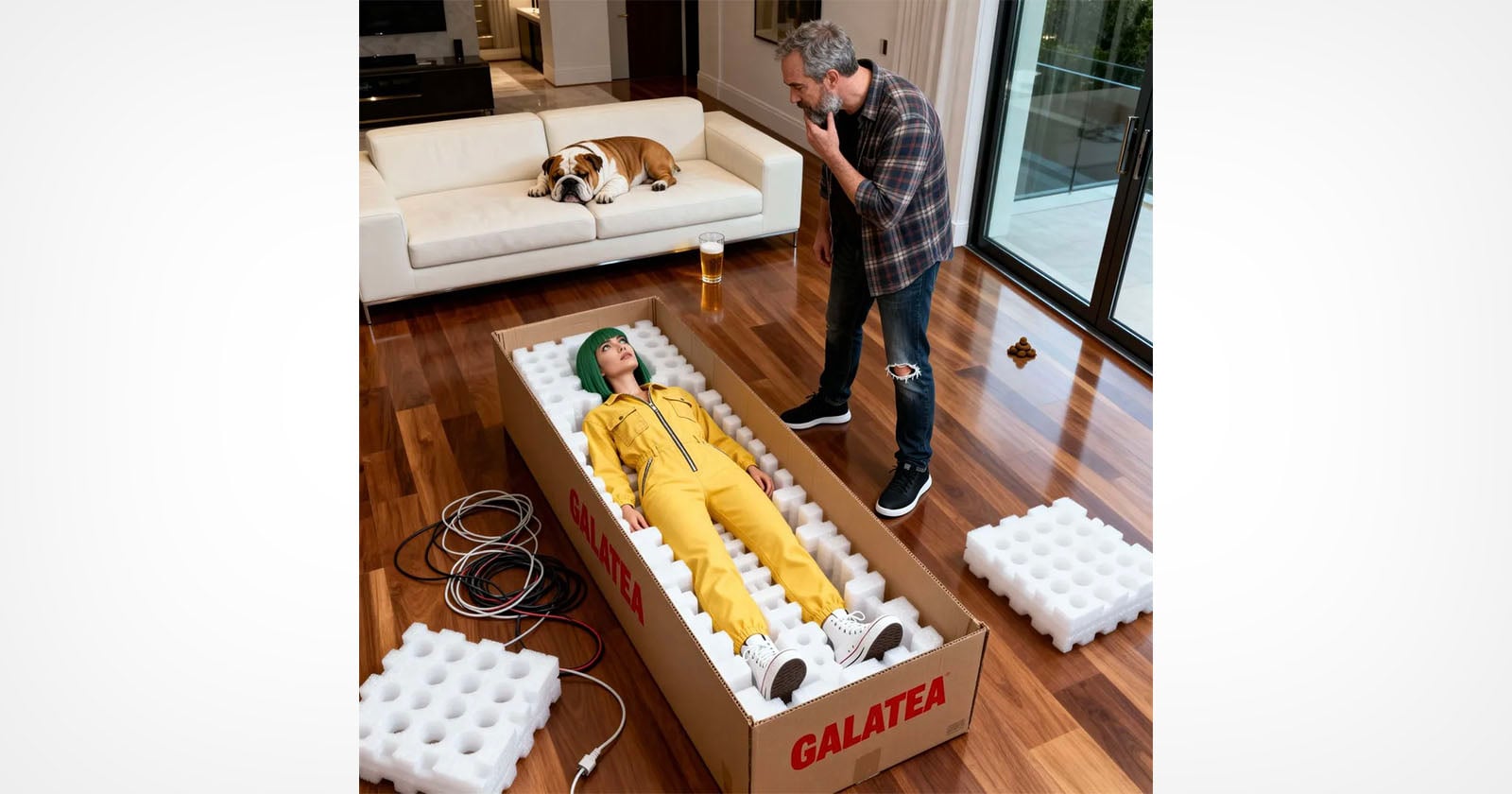
The Belfast gallery that chose to exhibit a series of AI images knew exactly what it was doing, even if it underestimated the fallout. The anger is not about technology, nor about the artist's intent. It is about labels. A photography gallery is a sacred space for a specific kind of truth, the kind that comes from a human holding a camera at a specific moment in time. When you hang AI images on those walls without clear, overt disclosure, you are not pushing boundaries; you are erasing them. This is the same tension that surfaced when an American CEO posted an AI-edited family photo, a moment that felt less like creativity and more like a quiet rewrite of reality. We are not against the tool, but we are deeply wary of the sleight of hand.
The practical takeaway here is simple: context is not a footnote, it is the entire story. Our readers are sophisticated enough to appreciate the artistic merit of a well-crafted image, regardless of its origin. But that appreciation collapses the second they feel deceived. This is not about a moral panic over ones and zeros; it is about consent. When you walk into a gallery, you consent to see the world through the artist's eyes. When that eye is a database, you have a right to know. This echoes the recent controversy at Stanford, where AI altered a student image, raising questions of identity and policy. In both cases, the machine was used to enhance or replace a human narrative without permission. The result is a deep, uncomfortable distrust that lingers long after the pixels fade.
So what would we tell a reader who asks us if they should be worried? We would say this: do not let the outrage dull your curiosity, but demand radical transparency before you engage. If a gallery cannot tell you how the work was made, that is a choice, and you are allowed to judge it. The same applies to news outlets limiting imagery in solidarity, a reminder that the power of an image often lies in what is withheld. The question is not whether AI art is valid; it is whether the institutions that present it are honest.
The concrete detail to watch here is the gallery's response. If they double down, they will lose the trust of their community for good. If they issue a genuine mea culpa and commit to labeling every piece, they might just survive this. But the real test is for the artist. Will they explain their intent, or will they hide behind the ambiguity? We are not asking for a manifesto, just a clear sentence. That is the line between curated and counterfeit. We would tell the artist directly: your talent is not in question, but your courage is. The moment you let the algorithm speak for you, you must be willing to answer for it. Otherwise, the only thing you have created is a beautiful lie, and we have seen enough of those.