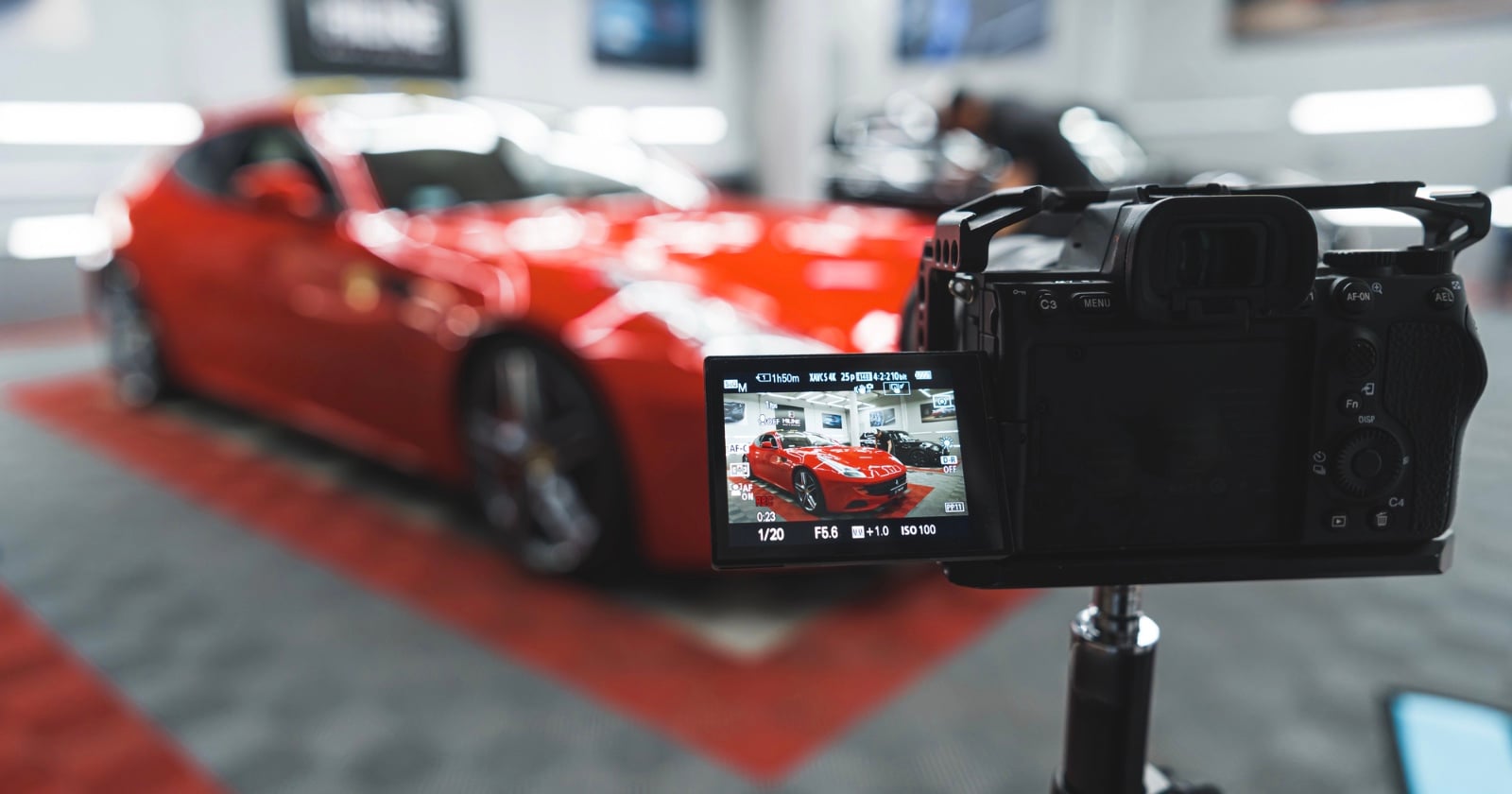
The news that a car photography company has sued Midjourney for allegedly copying tens of thousands of its copyrighted vehicle photos lands with the weight of inevitability. For years, we have watched the rise of AI image generators with a mix of wonder and unease, knowing that the datasets fueling these models had to come from somewhere. That somewhere is the painstaking work of artists, and in this case, a commercial studio whose entire craft rests on capturing the precise curve of a fender and the glint of headlights. This is not a hypothetical debate; it is a direct challenge to the foundational premise that AI can learn from everything without consequence.
What makes this case so compelling is the specificity. It is one thing to claim that a model can produce generic images; it is quite another to allege that it has copied tens of thousands of specific photographs. This is not about a vague stylistic imitation. It is about the systematic ingestion of a single body of work. As we have seen in other creative industries, the line between inspiration and infringement is often drawn in the sand of financial damage. For the photographers who make their living chasing the perfect shot, this is a matter of survival. Their craft, once considered a blend of technical skill and artistic eye, is now being reduced to training data for a machine that can regurgitate their compositions in seconds. It feels deeply personal, and it should.
This moment echoes the challenges we have covered before, such as the A Creative Court Win Cracks the Door to Canon's Closed Lens Mount, where intellectual property battles reshaped access and innovation. In that case, a smaller player used the law to open a closed system. Here, the photographer is using it to defend a closed system of their own making. The parallel is not lost on us. Both cases are fundamentally about control: who owns the right to build upon existing work, and at what point does borrowing become stealing? While the Canon case was about hardware compatibility, this Midjourney suit is about the very essence of creative authorship. It forces us to ask whether the vibrant, curated world we love to capture can survive when the tools we use are trained on our own past.
Our take is not one of Luddite rejection; we see the potential for AI to be a collaborative partner, but only if it respects the human foundation. For the reader who asks us what this means for them, we would say this: watch the discovery phase. The number of images claimed, and the specific metadata attached to them, will be the battleground. If the court allows the claim of widespread copying to proceed, it could set a precedent that forces AI companies to license their training data. That would be a seismic shift, turning the current free-for-all into a licensed ecosystem. Conversely, if Midjourney wins, it could embolden them to argue that any public image is fair game, which would be a chilling thought for every photographer who posts work online. The practical takeaway is that this is not just a legal spat; it is a referendum on the value of the human eye. We will be watching the docket as closely as we watch the Finding Joy on the Streets, One Frame After Fashion, because the future of how we create is being argued in a courtroom right now. The specific detail to watch is whether the court grants an injunction to stop the training during the suit, which would send a clear signal that the work of living artists has immediate, protectable value.