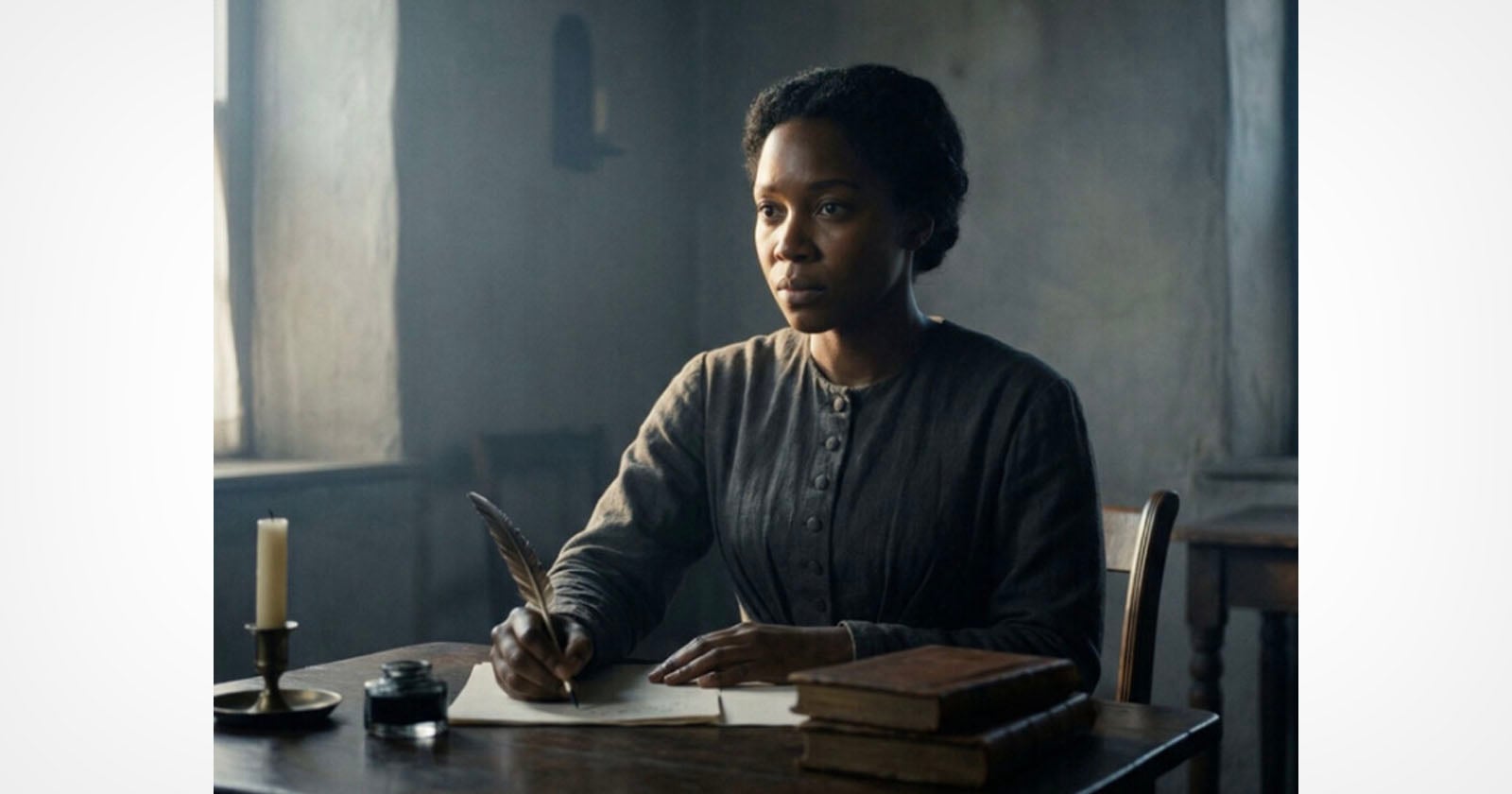
Our Take: The blurring lines between creation and representation, especially when amplified by artificial intelligence, invite a profound conversation about authenticity. When images are generated, rather than captured or meticulously crafted by human hands, a subtle shift occurs. This is particularly relevant in how we choose to honor historical figures, figures whose legacies are built upon their real-world impact and lived experiences. The use of AI, while offering novel avenues for visual storytelling, can inadvertently dilute the very essence of these individuals, presenting a curated, perhaps even idealized, version that may not fully resonate with the gravity of their contributions or the complexities of their time. It’s a delicate balance, ensuring that the tools we employ to celebrate history enhance, rather than diminish, the authentic narratives we aim to preserve and share.
The recent discussion surrounding the Education Secretary's use of AI to depict historical female icons highlights this crucial tension. While the intention may be to generate engaging visuals that spark interest, the underlying question becomes one of genuine representation. History is not merely a collection of aesthetically pleasing moments; it is a tapestry woven with struggle, resilience, and profound human endeavor. When AI is employed to recreate these moments, there's a risk of sacrificing the raw, unvarnished truth for a polished, often anachronistic, presentation. The power of a historical portrait or depiction lies in its connection to the lived reality of the subject. Straying too far from this reality, even with the best intentions, can lead to a disconnect, where the image becomes a stylized interpretation rather than a faithful homage.
This conversation compels us to consider the responsibility that comes with technological advancement. As AI becomes more sophisticated, so too must our discernment in its application, particularly in areas as sensitive as historical commemoration. The goal should always be to foster a deeper, more authentic understanding of the past, not to create visually appealing facades that might obscure the true nature of historical significance. Embracing the vibrant potential of AI requires a commitment to ethical considerations, ensuring that our creative explorations remain grounded in respect for the authentic narratives of those who shaped our world. It’s about finding harmony between innovation and integrity, ensuring that our forward-looking tools serve to illuminate, rather than distort, the lessons of history.