AI or a Composite? An Award-Winning Owl ‘Photo’ Ruffled a Lot of Feathers
Our take
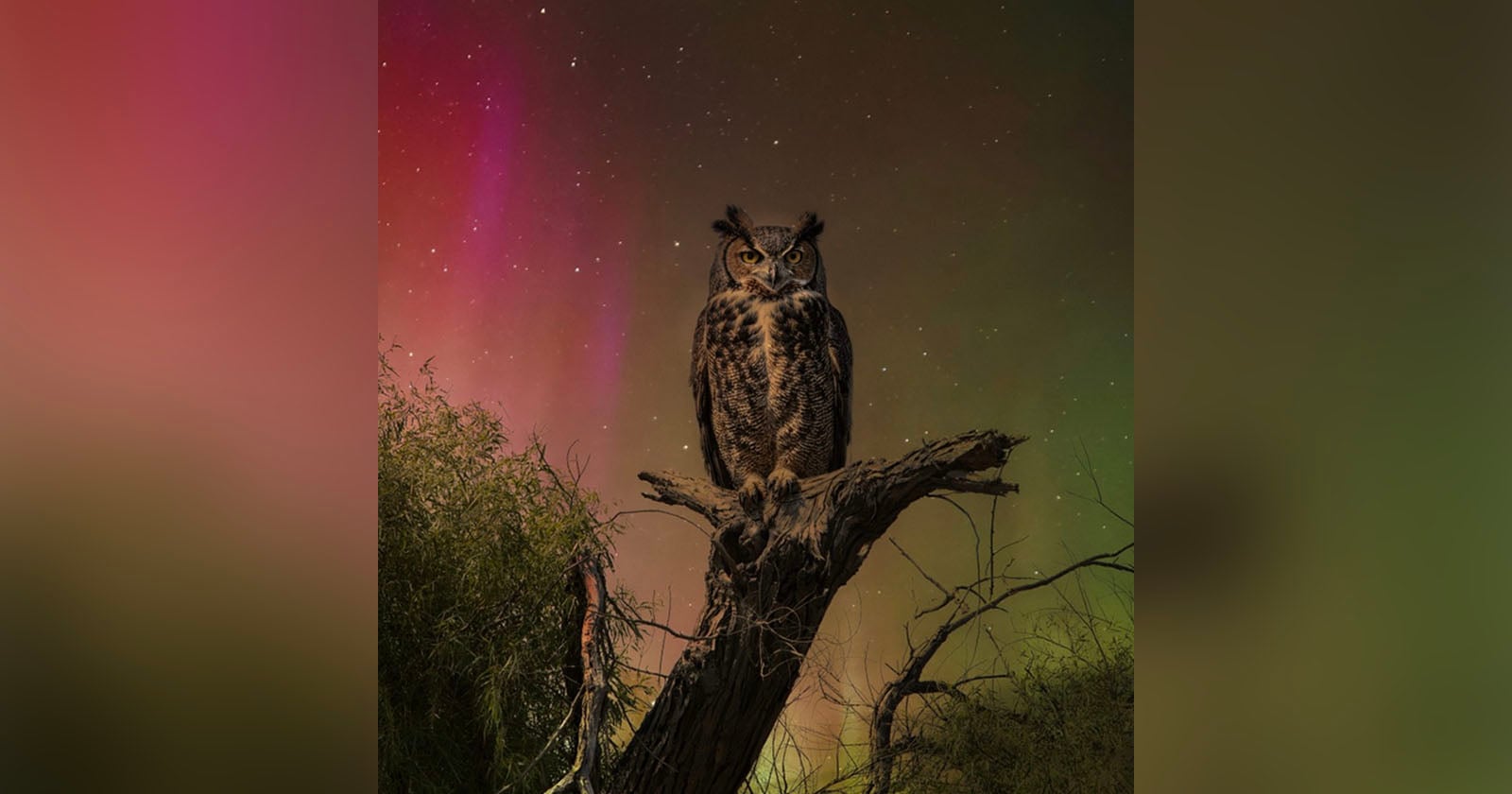
The controversy surrounding the National Wildlife Federation's disqualified owl photograph represents far more than a single contest mishap—it signals a fundamental reckoning for the photography industry as it grapples with the blurred boundaries between technological capability and artistic authenticity. The image, which depicted an owl perched against a backdrop of aurora borealis and starlit skies, ignited passionate debate across the online photography community, with critics questioning whether the photograph was a genuine capture or a digital composite potentially enhanced by artificial intelligence. This incident arrives at a moment when photographers are already navigating profound questions about their craft, from pricing strategies to the tools they use, and the NWF's handling of the situation has only amplified the urgency of these conversations. As professionals in this space continue to refine their practices—whether building client galleries and delivery portals for their studios or debating the merits of new lens technology—the owl controversy serves as a stark reminder that the rules of engagement are being rewritten in real time.
The core tension at play here extends well beyond the specifics of this particular competition. Photographers have always embraced technology to enhance their work, from darkroom techniques to digital editing, but the emergence of generative AI has introduced a qualitatively different challenge: the possibility that an image bears little or no relationship to any actual moment captured through a lens. The NWF's competition rules, like those of many photography contests, require that entries represent genuine photographs rather than AI-generated or heavily manipulated composites, yet enforcing such standards has become increasingly difficult as detection tools struggle to keep pace with advancing technology. The federation and the photographers who raised concerns appear to disagree not just about this specific image but about where the line should be drawn—a debate that reflects broader uncertainty across the industry about how to preserve the integrity of photography as a medium while remaining open to legitimate technological evolution.
What makes this situation particularly compelling is the way it exposes the competing values within the photography community itself. Some photographers argue that any use of AI or extensive digital manipulation fundamentally undermines the medium's core promise: to document reality and preserve genuine moments in time. Others contend that photography has always been an interpretive art, and that the tools used matter less than the creative vision behind the final image. This philosophical divide has practical implications for how contests are structured, how prizes are awarded, and how the public understands what they are viewing. The NWF's decision to disqualify the image after public outcry suggests that the organization recognized the stakes involved, yet the controversy itself indicates that many feel the handling of the situation left important questions unanswered.
Looking ahead, the photography industry must develop clearer frameworks for addressing AI-generated and AI-assisted imagery in competitive contexts, or risk eroding public trust in photographic evidence altogether. The incident also raises important questions for photographers about transparency and disclosure—should creators be required to reveal their process, or should the focus remain solely on the final output? As the medium continues to evolve at an accelerating pace, the conversations sparked by this disqualified owl photograph will likely serve as a template for how the industry addresses future technological disruptions. The challenge now is to establish guidelines that honor photography's traditional commitment to authenticity while remaining adaptable enough to embrace legitimate innovations that expand creative possibilities.
Yet another photo contest has attracted significant attention in the online photography community for all the wrong reasons. The winning photo in the National Wildlife Federation's (NWF) recent Garden for Wildlife Photo Contest was disqualified following public outcry. However, the NWF and photographers disagree on why the winning photo violated competition rules.
Read on the original site
Open the publisher's page for the full experience