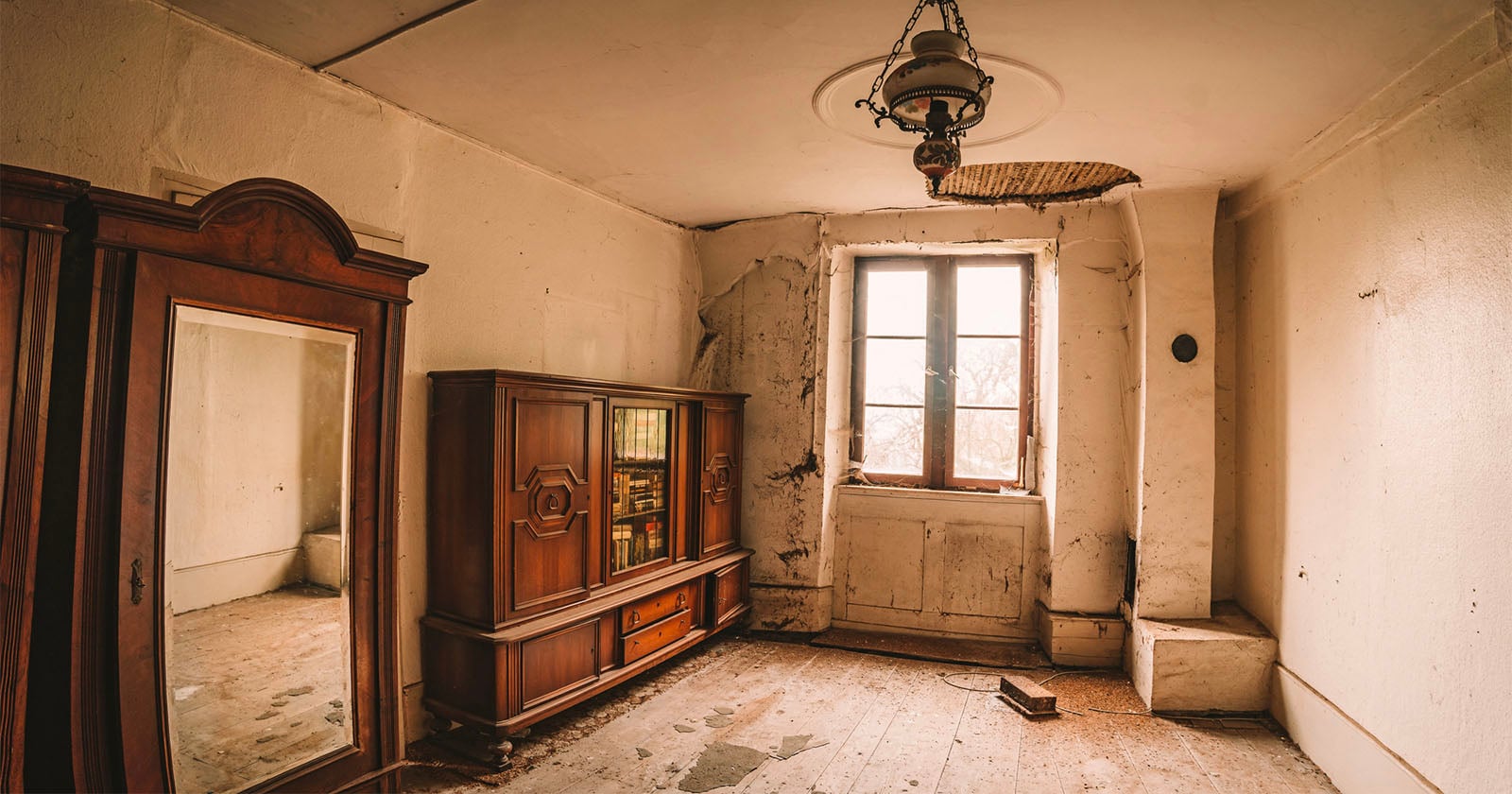
The photographs were meant to capture the haunting beauty of decay, peeling wallpaper, a wooden wardrobe with a tarnished mirror, the ghost of a home frozen in time. Instead, two urban explorers in the U.K. stumbled upon a scene that shifted their lens from art to evidence. This story, which broke through photography circles this week, is a sobering reminder that the line between discovery and danger is thinner than we often acknowledge. It echoes themes we explored in Beyond the Frame: Protecting Young Explorers in an Age of Viral Discovery, where we discussed the risks that come with chasing the perfect shot in forgotten spaces. But this incident is not just a cautionary tale for thrill-seekers; it is a reflection on what we, as a community that values authenticity and immersion, owe to the stories we enter.
Urban exploration walks a fine line between artistic reverence and trespass. The explorers in this case likely entered that home with the same curiosity that drives many of our readers, a desire to document what time has left behind, to find beauty in the overlooked. Yet the chilling discovery they made forces us to ask: at what point does the pursuit of a curated aesthetic become a blind spot? We have always championed the idea that every moment holds a story, but some stories are not ours to capture. The A Moment Lost: British Museum Restricts Photography of Bayeux Tapestry article reminds us that even institutions grapple with where to draw the line on documentation. For the individual explorer, the boundary is less defined. The takeaway here is clear: before you step into a space, ask yourself what you are truly prepared to find.
This is not about abandoning the pursuit of the extraordinary. It is about grounding that pursuit in awareness. The creative spirit that drives us to seek out forgotten places is the same spirit that can protect us if we pair it with intention. The explorers did the right thing by reporting what they found, but the question that lingers is whether they could have anticipated the risk. For our readers, whether you are a photographer, a writer, or simply someone drawn to the edges of the ordinary, the practical lesson is this: research the history of a location, travel with a partner, and always have an exit plan that includes contacting authorities. The beauty of decay should never come at the cost of your safety or your integrity.
We will be watching how law enforcement and the photography community respond to this case. Will it spark new guidelines for urban explorers, or will it be dismissed as an anomaly? One specific detail to track is whether the U.K. police issue a formal advisory similar to the parental warnings highlighted in our related coverage. Until then, let this story serve as a quiet but firm reminder: the most compelling frame is the one you never have to take.