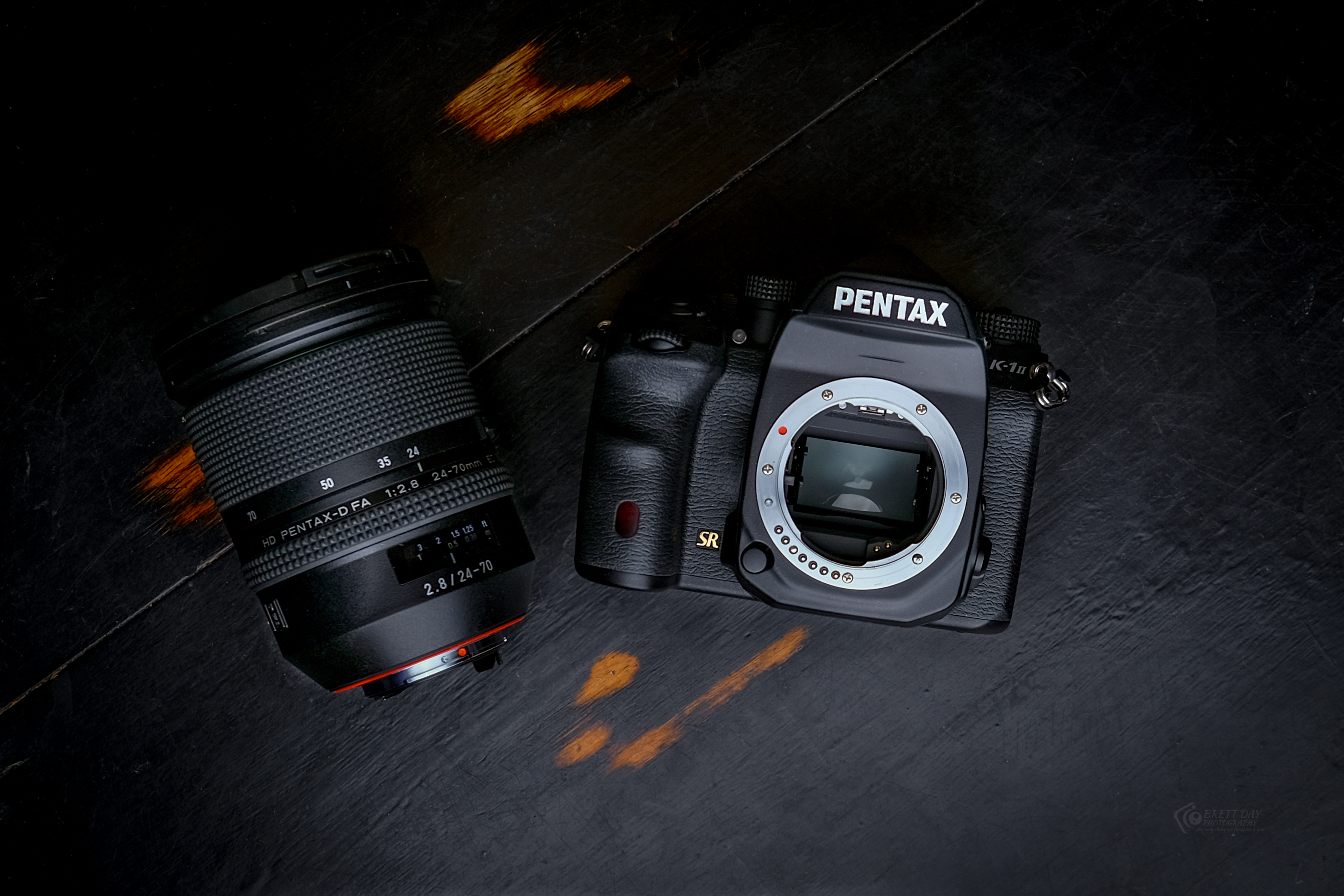
There is a particular silence that follows the end of an era, and right now, that silence is echoing through the photography world. The Pentax K-1 Mark II has been marked as discontinued at multiple Japanese retailers, and with its departure, the K-mount system no longer has a single DSLR in production. The APS-C model had already been pulled earlier this year, which means the optical viewfinder, the mirror slap, the tactile heft of a true workhorse, all of it is now officially a memory. We are not here to mourn a piece of glass and metal, but rather to acknowledge that a certain kind of craft has just moved further into the realm of the romantic.
For a generation of photographers, the K-mount was never just a mount; it was a philosophy that valued the purity of the image over the convenience of the algorithm. Its absence from the shelves is a quiet confirmation that the industry has fully pivoted to mirrorless and computational capture. Yet, we find ourselves thinking about how this relates to the more artistic corners of our own world. Consider how Leica Lux 2.0: Crafting iPhone Photography with Artistic Vision is pushing the boundaries of what a phone can do, or how Moments Captured: Shin Noguchi’s Street Photography, Now in a Deck distills the essence of a fleeting moment into a tangible form. The tools are changing, but the intention remains the same: to capture something that feels true. And as the industry leans into sleek, silent shutters, we are reminded that the artistry was never in the mirror, but in the eye behind it.
Our honest take is this: we are not sad to see the DSLR go, but we are deeply grateful it existed. The K-1 Mark II was a statement that photography could be both rugged and refined, a tool that demanded you slow down and engage with your subject. For our readers who are creative collaborators and health-conscious enthusiasts, this news is a gentle nudge to consider what you value in your own practice. If you have been holding onto a Pentax, or any DSLR, you now own a piece of history that still produces stunning imagery. The practical advice we would offer is simple: do not rush to sell it. Instead, treat it like a beloved vintage instrument, one that can still create a beautiful symphony, even if the radio has moved on to digital streaming. The market might be flooded with used models soon, but that only means an opportunity to own a masterpiece at a fraction of its former cost.
The real question that lingers is not whether the DSLR is dead, but what we are willing to lose in the name of progress. As we scroll through feeds filled with hyper-sharp, AI-enhanced captures, we risk forgetting the deliberate patience that a heavy camera body once demanded. We would tell any reader who asks that this is the perfect moment to borrow a classic, to feel the weight of the glass, and to remember that limitations often birth the most creative work. The Pentax K-1 Mark II is gone from the shelves, but the conversation about what it means to take a photograph is just beginning. Watch for the second-hand market to become a treasure trove of artistic potential, and consider whether your next great shot might come from a tool that refuses to fade quietly into the past.