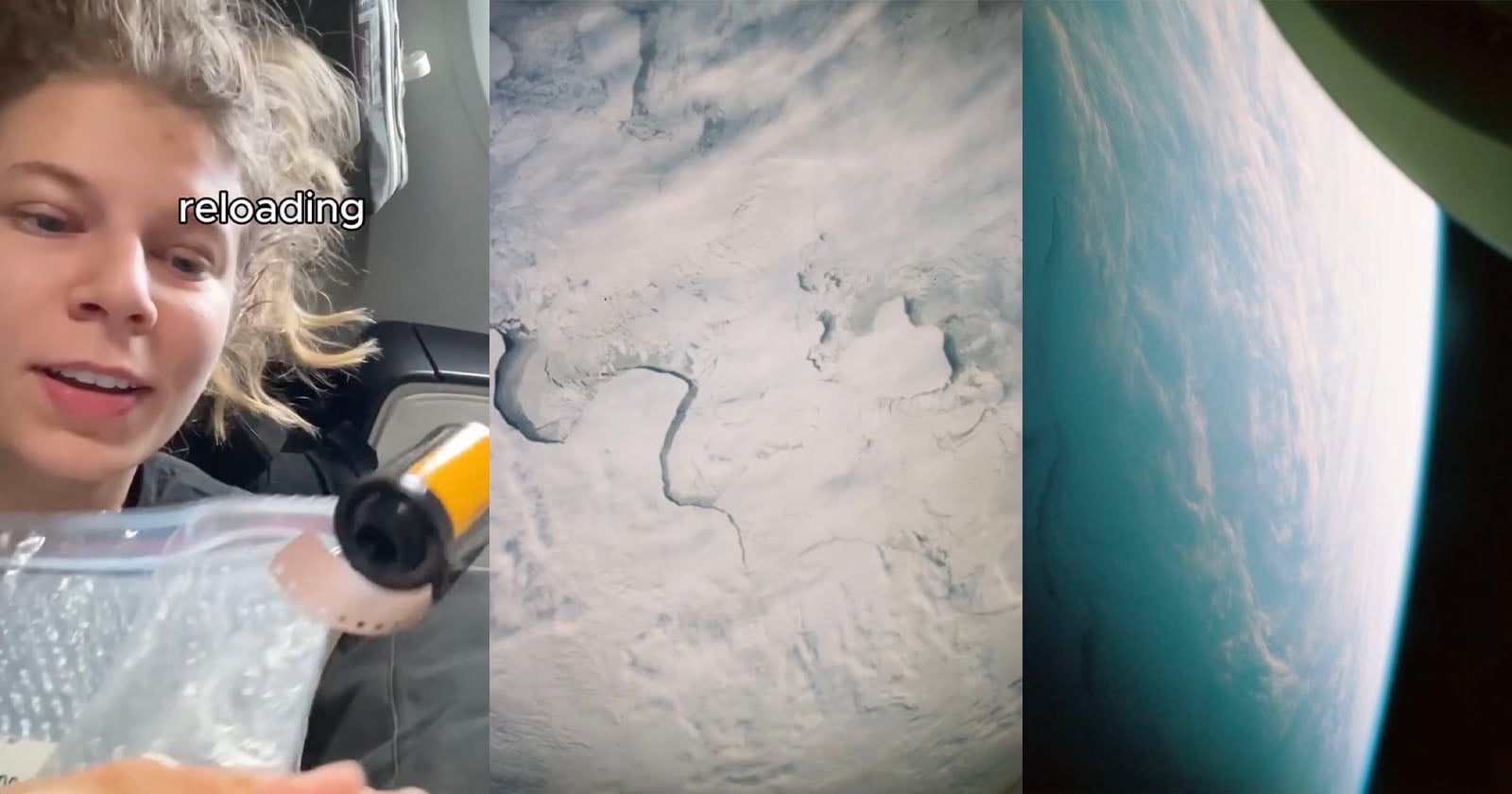
There is something profoundly deliberate about choosing to shoot an analog camera in space, and Rabea Rogge's decision to bring her second-hand camera on the Fram2 mission this April is exactly the kind of creative defiance we admire. It is a quiet rebellion against the polished, instant perfection of digital capture, and it reminds us that the most compelling images are often the ones that require patience, risk, and a willingness to embrace imperfection. For our readers who navigate the intersection of artistry and lifestyle, this is not a nostalgic footnote, it is a statement about how we choose to see the world, even when that world is the curve of Earth from orbit.
Rogge's analog camera, purchased second-hand, carries a backstory before it ever left the atmosphere. It is a tool that demands intention: limited frames, no previews, no retakes. In an era where the Sony FX5 Arrives: A Curated Moment for Creators on the Move promises instant cinematic power in a compact body, and where The Future Wears Many Lenses: Apple's Smart Glasses Arrive by 2027 hints at a world where cameras are always on and always connected, Rogge chose the opposite path. She chose a tool that slows her down, that forces her to commit, that makes every frame a considered act. That choice does not invalidate the convenience of modern gear; it enriches the conversation. It suggests that the best creative practice is not about having the most advanced technology, but about having the right relationship with the technology you trust.
There is a practical lesson here for anyone curating their own creative or wellness practice. The gear you reach for should feel like an extension of your instincts, not a distraction from them. Just as we explored the Rediscovering the Sigma FP2 Through Its Perfect Pairings, where a camera reveals its character through the lenses and settings you pair it with, Rogge's analog camera reveals its character through the constraints of space itself, no lightroom, no backup, no second chance. That is the kind of authentic, high-stakes creativity that resonates far beyond photography. It applies to how we train, how we dress, how we move through our days with purpose rather than automation.
The specific takeaway is this: Rogge's mission proves that the most aspirational tool you own might already be in your hands, bought second-hand, worn from use, and trusted precisely because it is not perfect. The question she leaves us with is not about resolution or frame rates, but about intention. What would you bring to a place where every choice matters, and what would that choice say about how you live?