Another Coach Complains About Photographers at the World Cup
Our take
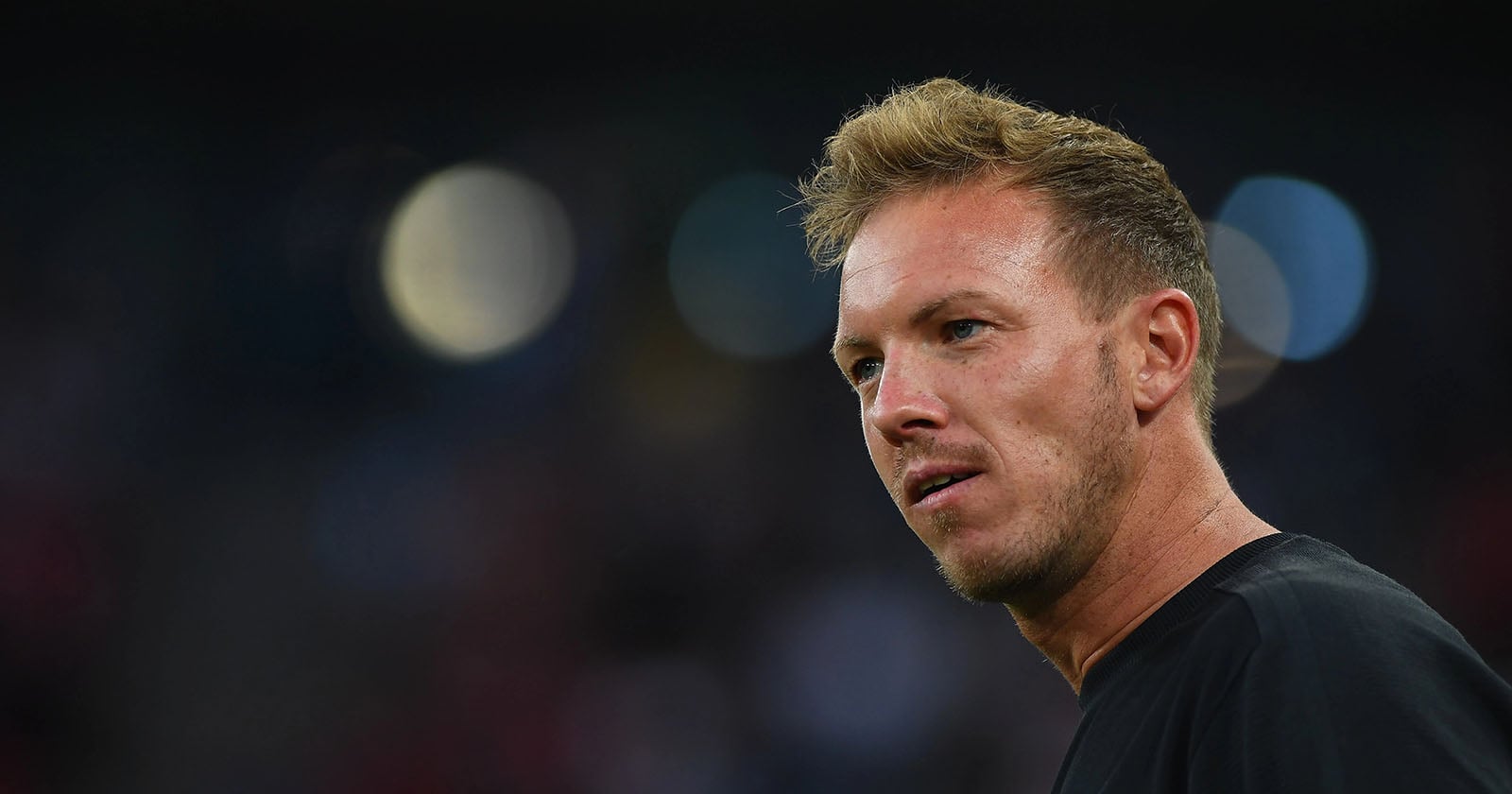
The recent outcry from coaches Thomas Tuchel and Julian Nagelsmann regarding the positioning of photographers during World Cup national anthems highlights a growing tension between the demands of sports coverage and the sanctity of a pre-game ritual. Tuchel’s frustration, echoed by Nagelsmann, isn’t merely about obstructed views; it’s about the perceived intrusion on a moment meant for national pride and team unity. This isn’t an isolated incident; similar concerns have been voiced in the past, though seldom with such high-profile backing. It underscores a broader debate about the evolving role of sports photography and how it balances the need for compelling visuals with respect for the athletes and their experience. While the immediacy of capturing these moments is essential, the current setup seems to prioritize access over atmosphere. FIFA’s swift response, evidenced by their agreement to adjust photographer placement [FIFA Moves World Cup Photographers After England Coach’s Complaints About ‘Ruined’ National Anthems], suggests a recognition of this imbalance and a willingness to adapt, though the practicality of implementing these changes across all venues remains to be seen. It’s worth noting that this conversation comes amidst broader discussions around supporting visual storytellers, as demonstrated by Fujifilm’s commitment to photographers and filmmakers through initiatives like the GFX Challenge Grant Program [Fujifilm Will Award $100,000 in Grants to Photographers and Filmmakers].
The core of the issue goes beyond simply moving a few photographers. It touches upon the increasing commercialization of sports and the relentless pressure to produce content for a voracious global audience. Every moment is potentially a viral clip, a shareable image, a revenue-generating opportunity. This pressure inevitably affects the way events are staged and the way photographers are positioned. The sensitivity surrounding personal privacy, even within a public sporting event, is also becoming increasingly important, as seen in Japan's recent laws addressing photo voyeurism [Upskirting Crimes in Japan Are Becoming a Youth Problem]. While the intent isn’t comparable, it reflects a growing societal awareness of the ethics surrounding image capture and the potential for exploitation. Coaches aren’t objecting to photography per se; they’re objecting to a system that prioritizes capturing the image over fostering a respectful and meaningful pre-game environment. The arguments hold water; a shared moment of national unity shouldn't be mediated through a wall of lenses.
Beyond the immediate impact on the World Cup, this situation serves as a microcosm of a larger shift within the sports media landscape. The rise of social media has fundamentally altered the relationship between athletes, fans, and the press. Instant access and behind-the-scenes content are now expected, but this expectation shouldn't come at the expense of the sacredness of certain moments. It forces a re-evaluation of journalistic ethics and the responsibility of media outlets to balance their pursuit of compelling narratives with respect for the human element of sports. The debate isn't about whether photographers should be present – they are an integral part of the spectacle – but about *how* they operate and the boundaries they respect. A more thoughtful and considered approach to event staging and photographer placement is needed, one that acknowledges the importance of both visual storytelling and the emotional experience of the game.
Ultimately, the resolution to this conflict will require ongoing dialogue between FIFA, coaches, photographers, and media organizations. It’s a delicate balancing act, demanding a willingness to compromise and a shared commitment to preserving the integrity of the sporting experience. The question moving forward isn't simply about where photographers stand, but about how the entire ecosystem of sports coverage can evolve to be more respectful, more mindful, and ultimately, more enriching for everyone involved. Will the adjustments made by FIFA prove sufficient, or will this issue resurface as the demands for immediate content continue to intensify?
England national team coach Thomas Tuchel made headlines last week for two reasons. One, his team sailed to an easy 4-1 victory over European rival Croatia. And two, Tuchel complained about how the gaggle of photographers positioned between Tuchel and his players ruined a really important pre-game moment during England's national anthem. Another coach, German manager Julian Nagelsmann, is 100% on Tuchel's side.
Read on the original site
Open the publisher's page for the full experience