Any Photographer Can Now Apply for 5 Boro Foto Fest
Our take
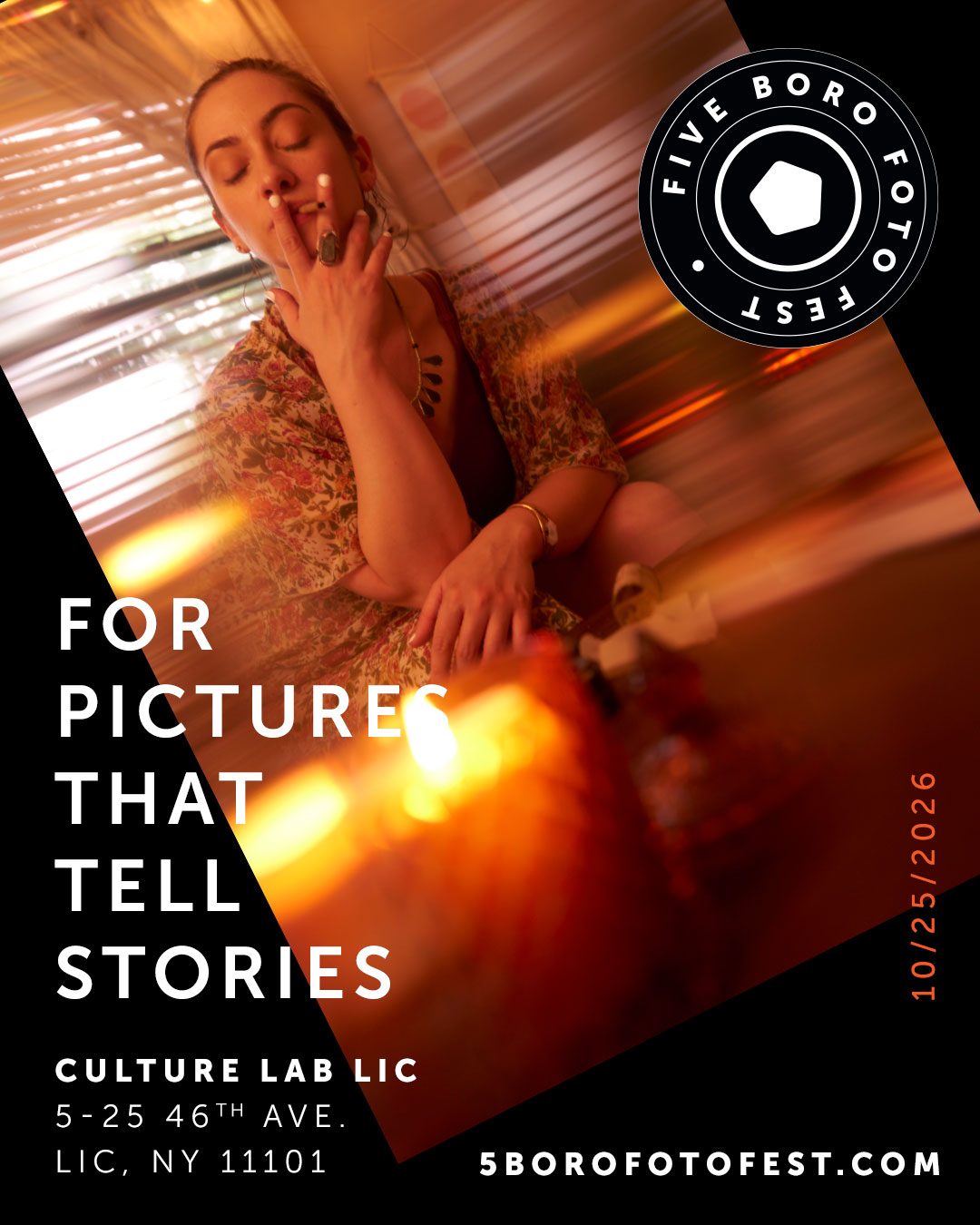
The photography landscape is undergoing a significant shift, and the announcement of the 5 Boro Foto Fest feels like a direct response to the evolving anxieties within the industry. It's refreshing to see The Phoblographer, a respected voice in the community, taking tangible action to address concerns about the dominance of algorithms and the diminishing opportunities for photographers to connect directly with art enthusiasts. We’ve seen how technology can both empower and complicate the creative process, as evidenced by innovators like the photographer who This Photographer Built An App to Capture Perfect Solar Eclipse Photos, demonstrating the ingenuity that can arise from harnessing technological advancements. However, the core issue remains: how do we ensure that human creativity isn't overshadowed by automated systems, particularly when it comes to showcasing and selling artistic work? The festival’s commitment to a purely human-to-human interaction—no algorithms, no generative AI—is a powerful statement against the increasing digitization of art consumption.
The current climate within the photography world is undeniably complex. Recent reports, such as Nikon Cuts Camera and Lens Sales Projections Amid Slow Start to the Fiscal Year, highlight the financial pressures facing established brands and the broader challenges in sustaining a thriving photography ecosystem. This economic uncertainty underscores the need for alternative platforms and avenues for photographers to exhibit and monetize their work. While technological innovations continue to shape the industry—consider the enduring legacy of lenses like Fujifilm’s Most Complicated Lens Turns 10 This Year—the emphasis on physical prints and direct engagement with collectors suggests a deliberate push back against the purely digital realm. The 5 Boro Foto Fest’s focus on sustainability, both environmental and economic, speaks to a desire to create a more responsible and enduring model for the photographic arts.
The significance of this event lies not just in providing a marketplace for photographers, but in actively challenging the prevailing norms of art distribution. By prioritizing human connection and tangible art, the festival offers a counterpoint to the often impersonal and algorithm-driven experiences of online art platforms. It’s a conscious effort to reclaim the value of the printed photograph and the importance of face-to-face interactions in fostering appreciation for artistic skill and vision. The "real photographers" they champion are those who’ve honed their craft, developed a unique perspective, and are seeking a more authentic way to share their work with the world. This commitment to authenticity is crucial in an era where the lines between genuine artistry and artificial creation are increasingly blurred. It’s a return to the foundational principles of art: skill, passion, and direct communication.
Ultimately, the success of the 5 Boro Foto Fest will depend on its ability to attract both talented photographers and discerning art lovers. However, the very existence of this event signals a growing desire for a more human-centered and sustainable future for photography. The question now is whether this model—one that prioritizes genuine connection and tangible art—can gain enough traction to inspire similar initiatives and reshape the way we experience and value photographic art in an increasingly digital world. Will we see other festivals adopting a similar approach, or will the convenience and reach of online platforms continue to dominate the landscape?
Read on the original site
Open the publisher's page for the full experience