Our Take
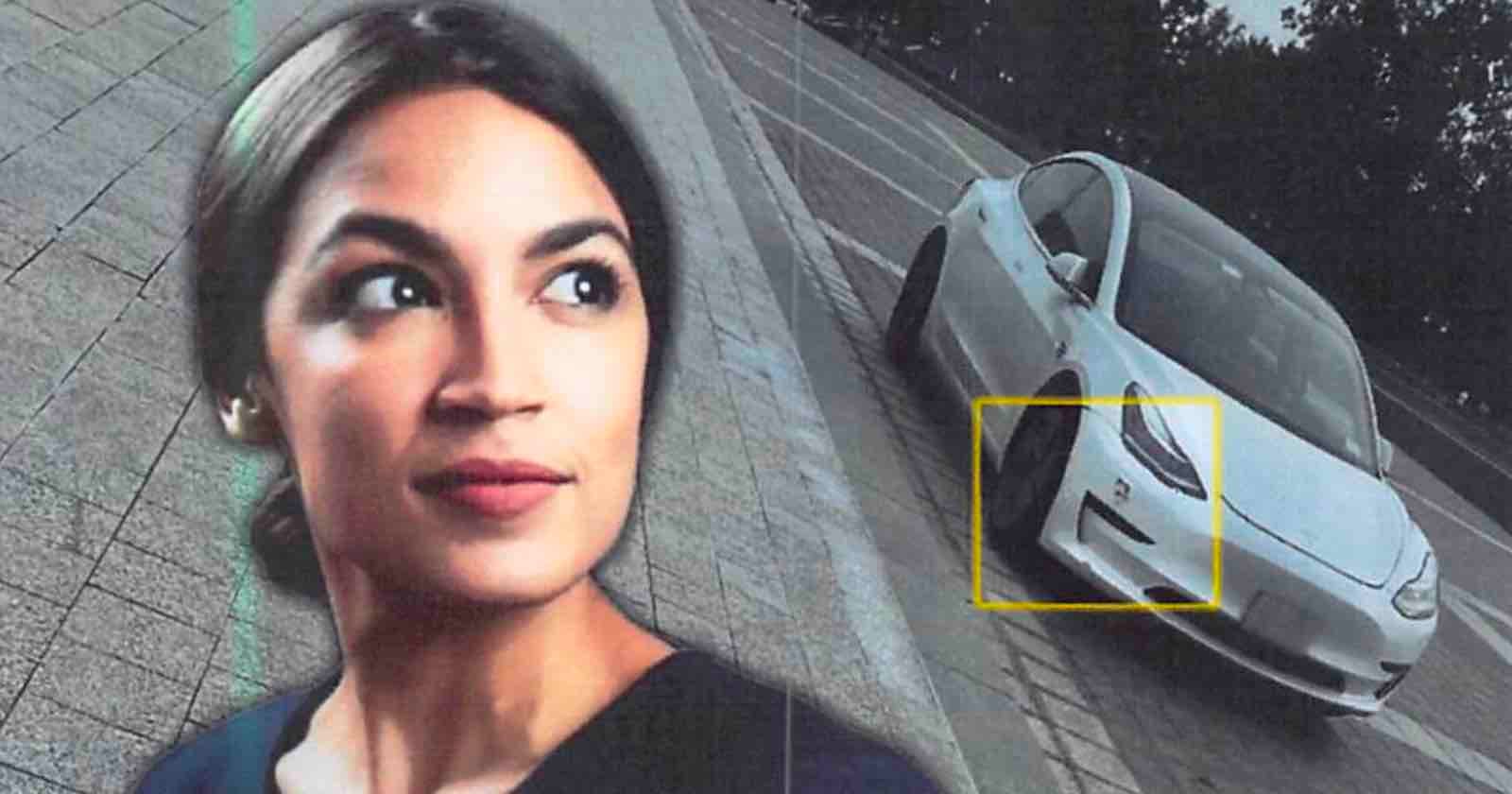
In a recent legal development, a copyright claim brought by the official campaign photographer of Representative Alexandria Ocasio-Cortez has been dismissed. The dispute arose when a news website utilized a cutout of a portrait, taken by the photographer, in its coverage of an incident involving the congresswoman’s alleged illegal parking. The court’s decision to dismiss the lawsuit underscores a complex intersection of journalistic reporting, photographic rights, and the public interest surrounding public figures. This case highlights the ongoing dialogue surrounding fair use and the application of copyright law in the digital age, particularly when imagery is employed to document or comment on newsworthy events.
The core of the legal challenge lay in the photographer's assertion of copyright infringement, arguing that the news outlet’s use of the cutout image constituted unauthorized reproduction. However, the dismissal suggests that the court may have found the usage to fall under exceptions or defenses to copyright, such as fair use, which permits limited use of copyrighted material without permission for purposes like criticism, comment, news reporting, teaching, or scholarship. The specific context of the image's integration into a report about a public figure's actions, especially one involving a potentially newsworthy event like illegal parking, likely played a significant role in the judicial outcome. This ruling offers a nuanced perspective on how photographic works are evaluated within the broader landscape of media dissemination and public discourse.
This situation invites reflection on the balance between creators' rights and the public's right to information. While photographers invest skill and vision into their work, the use of such imagery by news organizations is often crucial for conveying a story effectively. The dismissal of this claim, while potentially disappointing for the photographer, reinforces the principle that images, particularly those featuring public figures in public contexts, can be subject to various interpretations and uses under copyright law, especially when they serve to inform the public about matters of civic interest. It’s a reminder that the vibrant tapestry of public life and media coverage is woven with intricate threads of creative expression and legal precedent.