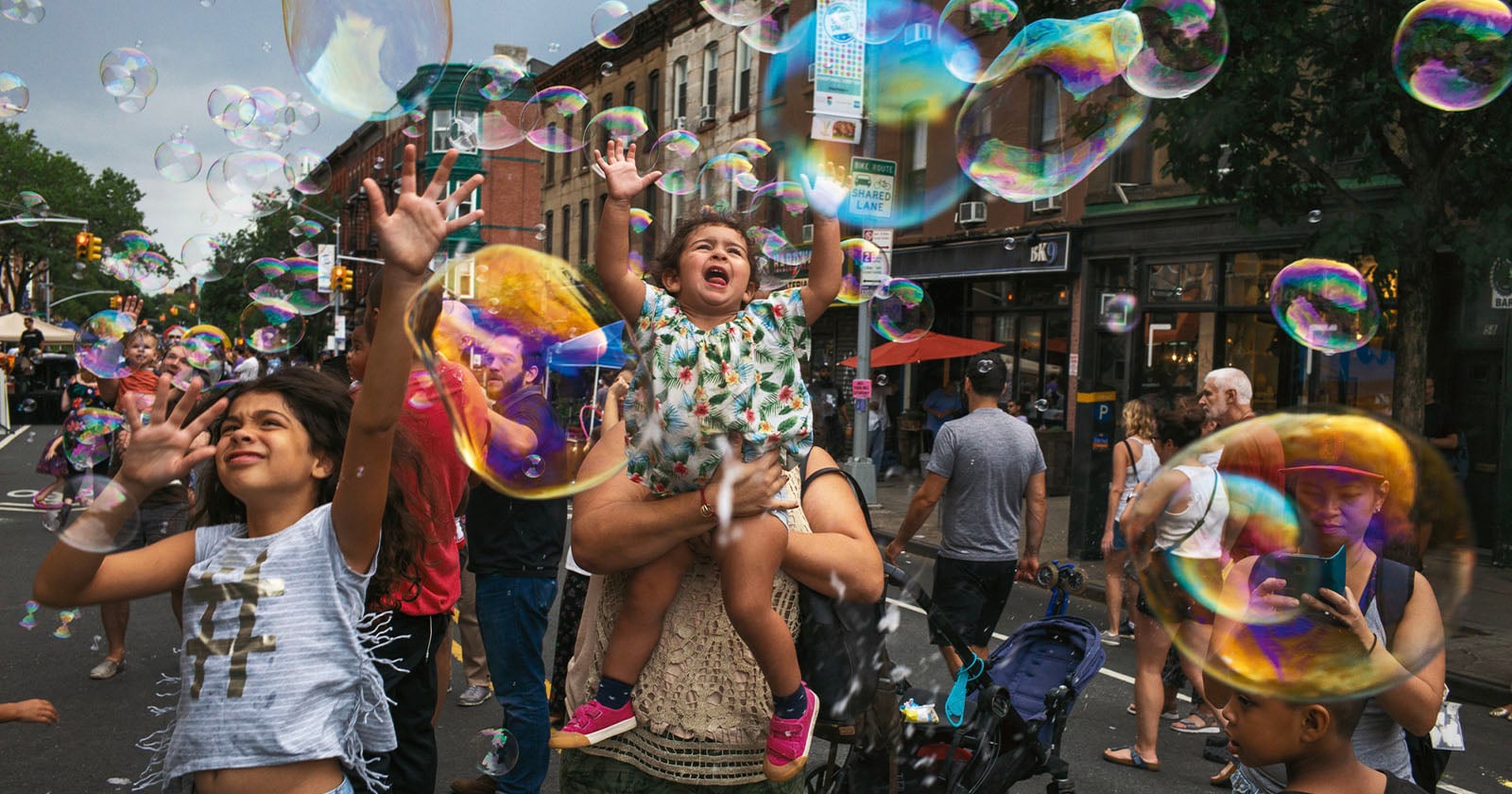
Aperture has spent decades proving that photography is not a passing trend but a living language, and its new headquarters across from the American Museum of Natural History feels less like a relocation and more like a declaration. To plant a flag in that particular soil, where science and art already share a block, is to say that the photographic image belongs in the same conversation as the artifacts and specimens we cross cities to see. For our readers who have been following the Capturing Cosmic Beauty: An Astrophotography Journey with Nikon, this is the same impulse turned inward: we look to the stars for wonder, but Aperture reminds us that the ground beneath our feet, and the faces around us, deserve that same reverence.
The location itself is the story. A nonprofit choosing a home across from one of the world's great museums is not accidental curation; it is a deliberate alignment of missions. The Natural History museum asks us to understand the world through evidence and discovery, while Aperture asks us to understand it through vision and interpretation. That adjacency creates a daily dialogue between documentation and imagination, and it invites a public that might wander in for the dinosaur bones to stay for the prints. This echoes the energy we saw with the Experience Photography's Artistry: The 5 Boro Foto Fest Returns, which turns the entire city into a gallery. Both efforts share a belief that photography should not live behind closed doors but should brush up against the everyday rhythms of life.
What we appreciate most is the quiet confidence in this move. Aperture is not chasing trends or shouting about disruption; it is building a physical home that signals permanence in an industry where digital impermanence is the norm. For our audience, this is a practical reminder that the spaces we choose to inhabit, whether a gallery, a studio, or a park bench with a camera in hand, shape the work we make. The Elevate Your Vision: PolarPro’s Radial Filters Reimagine In-Camera Color article speaks to that same principle: the tools and environments we select are not neutral backdrops, they are active participants in the final image.
Our honest take is that this is a reminder that institutions matter, but only when they stay porous. A new building is a promise, but the real test will be in the programming, the accessibility, and the willingness to let the neighborhood in. We would tell a reader who asked us about this that the most exciting detail to watch is not the architecture but the programming calendar over the next year. If Aperture uses this space to mentor emerging voices and host conversations that bridge the gap between the art world and the general public, this will be more than a headquarters; it will be a civic anchor. The concrete point to watch is whether the museum crowd crosses the street. That is the quiet measure of whether this vibrant hub becomes a true intersection or just a beautiful stop along the way.